The Maine Judiciary: 1820 to Present
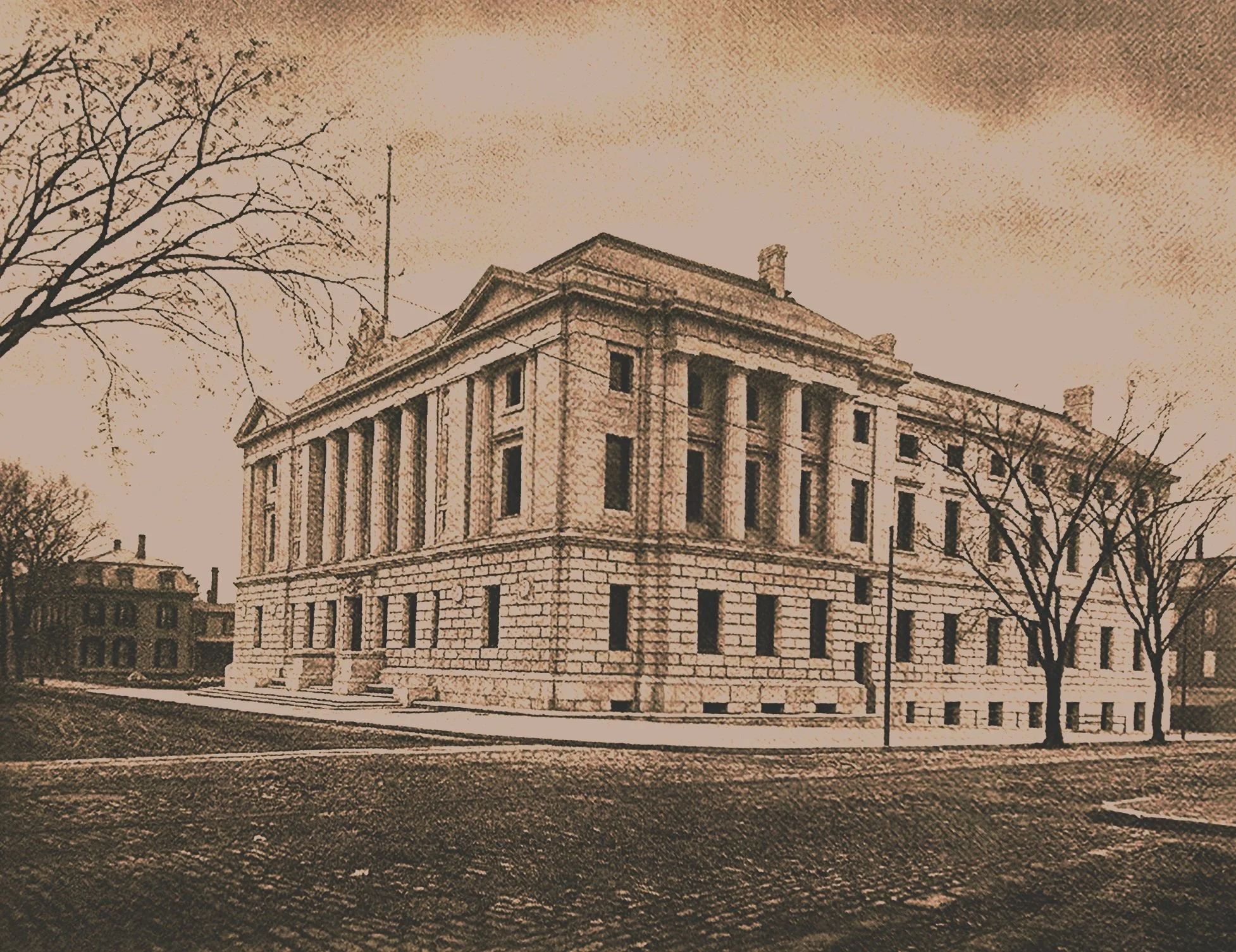
Maine Supreme Judicial Court
About the Supreme Judicial Court
Established in 1820, the Maine Supreme Judicial Court is the state’s highest court and its only appellate court. It consists of seven justices, including the Chief Justice who also serves as the head of the Judicial Branch.
When hearing appeals, the Supreme Judicial Court sits as the “Law Court,” reviewing questions of law arising from decisions of the state’s trial courts and certain administrative agencies. The Supreme Judicial Court also oversees the administration of the Maine Judicial Branch, establishing rules governing court procedure and regulating the admission and conduct of attorneys. On “solemn occasions,” the Supreme Judicial Court may issue advisory opinions to the Governor or Legislature.
About This Chronology
This chronology presents the more than 100 justices who have served on the Supreme Judicial Court since its establishment, including the justices’ photographs, dates of service on the Court, and biographical information.
This chronology was originally prepared in 2006 through the efforts of the Hon. Howard H. Dana Jr. and his law clerk Jason P. Donovan. The Cleaves Law Library continues to maintain the chronology, with biographical research and substantial contributions from the Hon. Donald G. Alexander, author of The Maine Supreme Judicial Court and the Maine Judiciary: The 200th Anniversary (2021).
-
![Prentiss Mellen]()
1 Prentiss Mellen
Chief Justice 1820-1834
Prentiss Mellen was born on October 11, 1764, in Sterling, Massachusetts, to Rev. John Mellen and Rebecca Prentiss Mellen. He graduated from Harvard College in 1784. After college, he spent a year as a private tutor in Barnstable, Massachusetts, and read law under the tutelage of Shearjashub Bourne. Mellen was admitted to the bar in Taunton, Massachusetts, in 1788.
Mellen moved to Biddeford (in what later would be Maine) in 1792 and then to Portland in 1806. In 1811, Mellen and twenty other members of the Cumberland County Bar signed a document committing to support the Cumberland Law Library (now the Cleaves Law Library). In 1818, he was elected to the United States Senate from Massachusetts to fill the vacancy left by the death of Eli P. Ashmun. He served for less than two years, however, resigning in 1820 upon the admission of the State of Maine into the United States.
On July 1, 1820, Mellen was appointed the first Chief Justice of the Maine Supreme Judicial Court. He served as Chief Justice until October 11, 1834, when at the age of 70 he was constitutionally disqualified from serving on the bench and forced to resign. Mellen died in Portland on December 31, 1840, at the age of 76.Sources: In Memoriam Prentiss Mellen, 17 ME 467; William Willis, A History of the Law, the Courts, and the Lawyers of Maine, Bailey and Noyes, Portland, Maine, 1863, pg. 163-173; Biographical Directory of the United States Congress (www.bioguide.congress.gov/ scripts/biodisplay.pl?index=M000636).
-
![William Pitt Preble]()
2 William Pitt Preble
Associate Justice 1820-1828
William Pitt Preble was born on November 27, 1783, in York. His father was Esaias Preble. He graduated from Harvard College in 1806. After reading law under the tutelage of Benjamin Hasey of Topsham, Preble was appointed County Attorney for York in 1811.
Preble was appointed the United States Attorney for the District of Maine by President Madison on 1814 and served until 1820. He moved to Portland and was the city’s representative to Maine’s 1819 Constitutional Convention. Preble was appointed one of the inaugural Associate Justices of the Supreme Judicial Court on July 1, 1820, when the State of Maine was admitted to the Union. He served on the Court until his resignation on June 18, 1828.
In 1828, President Jackson appointed Preble Minister to The Hague to represent the United States in its dispute with Great Britain over the Northeastern boundary, which was ultimately settled by the Webster-Ashburton Treaty of 1842. Preble was named the first president of the Atlantic and St. Lawrence Railroad Company in 1847. He died on October 11, 1857, at the age of 73.Sources: William Willis, A History of the Law, the Courts, and the Lawyers of Maine, Bailey & Noyes, Portland, Maine, 1863, pg. 597-614; Virtual American Biographies (http://www.famousamericans.net/williampittpreble/).
-
![Nathan Weston Jr.]()
3 Nathan Weston Jr.
Associate Justice 1820-1834;
Chief Justice 1834-1841Nathan Weston was born on July 27, 1782, in Hallowell (part of present day Augusta) to Nathan and Elizabeth (Bancroft) Weston. He was educated at Hallowell Academy, and graduated from Dartmouth College in 1803. He read law in the offices of Benjamin Whitwell in Augusta, and George Blake in Boston, Massachusetts. He was admitted to the Suffolk County, Massachusetts Bar in July 1806, and soon after returned to Augusta to open his practice.
Weston served as New Gloucester’s representative to the Massachusetts Legislature in 1808. He also served as a delegate to the Brunswick Convention of 1816, which addressed the issue of statehood for Maine. With the restructuring of the Massachusetts court system in 1811, Weston was appointed by Governor Strong as Chief Justice of the Second Eastern Circuit Court for the District of Maine. At the time of his appointment, Weston was 29 years old.
Weston was appointed an Associate Justice of the first Maine Supreme Judicial Court by Governor William King on July 1, 1820, upon the admission of the State of Maine to the Union and was appointed Chief Justice on October 22, 1834. He served as Chief Justice until his retirement on October 22, 1841. Weston died in Augusta on June 4, 1872, at the age of 90. His grandson, Melville Weston Fuller, was Chief Justice of the United States.Sources: In Memoriam Nathan Weston, Jr., 33 ME 593; Willis, Lawyers and Courts of Maine (1863).
-
![Albion K. Parris]()
4 Albion K. Parris
Associate Justice 1828-1836
Albion K. Parris was born on January 19, 1788, in Hebron, to Samuel and Sarah (Pratt) Parris. He was educated locally before graduating from Dartmouth College in 1806. Parris read law with the future Chief Justice Ezekial Whitman, first in New Gloucester and then in Portland. He was admitted to the Cumberland County Bar in 1809, but immediately established his office in Paris, Oxford County.
In 1811, Parris was appointed County Attorney for Oxford; in 1813, he was elected to the General Court in Massachusetts; and in 1815, he was elected to the United States House of Representatives. He served in Congress until February 1818, when he was appointed Judge of the United States District Court for the District of Maine by President Monroe. He sat on the District Court until 1820.
Parris was a staunch supporter of Maine’s separation from Massachusetts. He was the Treasurer of the Maine Constitutional Convention. Following Maine’s statehood in 1820, Parris was appointed the Probate Judge of Cumberland County by Governor King. Parris himself was elected Governor of Maine and held that office from 1822 until 1827. Afterward, he was elected to the United States Senate, replacing John Holmes, and served from 1827 until 1828.
Parris was appointed an Associate Justice of the Supreme Judicial Court by Governor Lincoln on June 25, 1828, and served until his resignation on August 20, 1836. He served as Second Comptroller of the United States Treasury from 1836 until 1850. He was elected Mayor of Portland in 1852 and waged an unsuccessful campaign for Governor in 1854. He died on February 11, 1857, at the age of 69.Sources: William Willis, A History of the Law, the Courts, and the Lawyers of Maine, Bailey & Noyes, Portland, Maine, 1863, pg. 565-572; Biographical Directory of the United States Congress (http://bioguide.congress.gov/scripts/biodisplay.pl?index=P000079).
-
![Nicholas Emery]()
5 Nicholas Emery
Associate Justice 1834-1841
Nicholas Emery was born on September 4, 1776, in Exeter, New Hampshire, to Noah and Jane (Hale) Emery. He was educated at Exeter Academy and graduated from Dartmouth College at the age of nineteen. After college, Emery prepared for a legal career by reading law in Portsmouth, New Hampshire.
Emery returned to Exeter Academy as an assistant instructor in 1797 and was later admitted to the York County Bar in 1798. Emery began his legal practice in Parsonsfield but moved to Portland in 1807. Emery was an active participant in the debate over the separation of the District of Maine from the Commonwealth of Massachusetts, serving on the Brunswick Convention of 1816. He also served as a delegate from Portland to the convention that drafted the Maine Constitution.
Emery was appointed an Associate Justice of the Supreme Judicial Court by Governor Dunlap on October 22, 1834. Emery served on the Court until October 21, 1841. He died on August 24, 1861, at the age of 85.Sources: William Willis, A History of the Law, the Courts, and the Lawyers of Maine, Bailey & Noyes, Portland, Maine, 1863, pg. 262-269.
-
![Ether Shepley]()
6 Ether Shepley
Associate Justice 1836-1848;
Chief Justice 1848-1855Ether Shepley was born on November 2, 1789, in Groton, Massachusetts, to John and Mary (Thurlow) Shepley. He was educated at Groton Academy and graduated from Dartmouth College in 1811. He read law in the offices of Dudley Hubbard of South Berwick and Solomon Strong of Hampshire. He was admitted to the bar in 1814 and began his practice in Saco.
Shepley became a member of the Massachusetts General Court in 1819. In 1820, he was selected as a delegate for the Maine State Constitutional Convention. From 1820 until 1833, Shepley served as United States Attorney for the District of Maine. In 1833, he was elected a United States Senator for Maine, succeeding John Holmes, and served until his resignation in 1836.
Shepley was appointed an Associate Justice of the Supreme Judicial Court by Governor Dunlap on September 23, 1836. On October 23, 1848 Governor Dana appointed him Chief Justice, where he served until his retirement on October 22, 1855. Shepley was the father of George F. Shepley who, like his father, served as United States Attorney for the District of Maine, but who declined appointment to the Supreme Judicial Court. Ether Shepley died in Portland on January 15, 1877, at age 87.Sources: In Memoriam Ether Shepley, 66 ME 593; William Willis, A History of the Law, the Courts, and the Lawyers of Maine, Bailey & Noyes, Portland, Maine, 1863, pg. 619-626; Virtual American Biographies (http://www.famousamericans.net/johnshepley/); Biographical Directory of the United States Congress (http://bioguide.congress.gov/scripts/ biodisplay.pl?index=S000334).
-
![John S. Tenney]()
7 John S. Tenney
Associate Justice 1841-1855;
Chief Justice 1855-1862John S. Tenney was born on January 21, 1793, in Rowley (now Byfield), Massachusetts. He was educated in the local schools and graduated from Bowdoin College in 1816. After college, he taught briefly at Warren Academy. He soon moved to Hallowell and read law in the office of Attorney Bond.
Tenney was admitted to the bar in 1820. He maintained a private practice in law and in the fall of 1837 was elected to the House of Representatives.
Tenney was appointed an Associate Justice of the Supreme Judicial Court by Governor Kent on October 23, 1841. He was appointed Chief Justice by Governor Morrill on October 23, 1855. He served as Chief Justice until his retirement on October 23, 1862. Tenney then returned to state politics, being elected to the Senate in both 1863 and 1864. Tenney died in Norridgewock on August 23, 1869, at the age of 75.Sources: In Memoriam John S. Tenney, 56 ME 583.
-
![Ezekiel Whitman]()
8 Ezekiel Whitman
Chief Justice 1841-1848
Ezekiel Whitman was born on March 9, 1776, in East Bridgewater, Massachusetts, to Josiah and Sarah (Sturtevant) Whitman. He graduated from Brown University in 1795. He read law and was admitted to the bar in Plymouth County, Massachusetts, in 1799. He began his practice in New Gloucester and moved to Portland in 1807.
Whitman served in the United States Congress as a Federalist Representative from Massachusetts from 1809 until 1811, and again from 1817 until 1821. He was a delegate to the Maine State Constitutional Convention. He returned to Congress as a Representative from Maine from 1821 until 1822.
Whitman resigned from Congress to accept an appointment by Governor Parris as Chief Justice of the Maine Court of Common Pleas, where he served from 1822 until 1841. Following his appointment by Governor Kent, Whitman served as the third Chief Justice of the Supreme Judicial Court from December 10, 1841, until his retirement on October 23, 1848. Whitman died in East Bridgewater, Massachusetts on August 1, 1866, at the age of 90.Sources: William Willis, A History of the Law, the Courts, and the Lawyers of Maine, Bailey & Noyes, Portland, Maine, 1863, pg. 289-314; Biographical Directory of the United States Congress (http://bioguide.congress.gov/scripts/biodisplay.pl?index=W000421).
-
![Samuel Wells]()
9 Samuel Wells
Associate Justice 1847-1854
Samuel Wells was born on August 15, 1801, in Durham, New Hampshire. He studied law in the offices of Theodore Rice of Winslow and began his practice of law in Waterville in 1826. He subsequently moved to Hallowell in 1835 and eventually settled in Portland in 1844. He served as Hallowell’s representative to the Maine State Legislature from 1836 to 1838.
Wells was appointed an Associate Justice of the Supreme Judicial Court by Governor Dana on September 28, 1847. He resigned from the Court on March 31, 1854. A staunch Democrat, Wells was elected Governor of Maine in 1856. He was nominated for Governor by the Democratic party again for the term beginning in 1857; however, he lost the election due to discord in the Democratic party over the question of slavery. Wells was the last Democratic Governor of Maine for over twenty years.
Later in life, he left Maine and settled in Boston, Massachusetts. Wells died on July 15, 1868, at the age of 66.Sources: Henry Chase, Representative Men of Maine, The Lakeside Press, Portland, Maine, 1893 (found at http://history.rays-place.com/governors/me/wells+same.htm).
-
![Joseph Howard]()
10 Joseph Howard
Associate Justice 1848-1855
Joseph Howard was born on March 14, 1800, in Brownfield. He was educated at Fryeburg Academy and graduated from Bowdoin College in 1821. He read law at the offices of Judge Dana and future Supreme Judicial Court Justice Daniel Goodenow, and he was admitted to the Cumberland County Bar in 1824.
Howard opened an office in Bridgton but later moved to Limerick where he maintained a successful practice for more than a decade, serving as York County attorney. In 1837, he moved to Portland when he was named United States District Attorney for Maine by President Van Buren. He held that office until 1841 when he returned to private practice.
Howard was appointed an Associate Justice of the Supreme Judicial Court by Governor Dana on October 23, 1848. He served in that capacity until his commission expired on October 22, 1855. For a time he practiced law with future Supreme Judicial Court Justice Sewall C. Strout, and then with Nathan Cleaves, his son-in-law. He was elected Mayor of Portland in 1860, and campaigned unsuccessfully as the Democratic candidate for Governor in both 1864 and 1865. He died in Brownfield on December 12, 1877, at the age of 77.Sources: In Memoriam Joseph Howard, 67 ME 600.
-
![Richard D. Rice]()
11 Richard D. Rice
Associate Justice 1852-1863
Richard Drury Rice was born on April 10, 1810, in Union. His father was the Hon. Nathan D. Rice. After an early career in the printing and publishing business, he read law in the Augusta office of the Hon. James W. Bradbury, United States Senator from Maine. After being admitted to the Kennebec County Bar in 1840, he practiced law with Senator Bradbury.
In 1848 he was appointed a Judge of the District Court for the Middle District by Governor Dana. He was appointed an Associate Justice of the Supreme Judicial Court by Governor Hubbard on May 11, 1852. He served on the Court until December 1, 1863, when he resigned to take the presidency of the Portland and Kennebec Railroad Company. He died at his home in Augusta on May 27, 1882, at the age of 72. -
![John Appleton]()
12 John Appleton
Associate Justice 1852-1862;
Chief Justice 1862-1883John Appleton was born on July 12, 1804, in Ipswich, New Hampshire, to John and Elizabeth (Peabody) Appleton. At the age of fourteen, Appleton traveled to Maine to study under the tutelage of his uncle, Jesse Appleton, President of Bowdoin College. After graduating from Bowdoin in 1822, Appleton read law first in Groton, Massachusetts, then in Alfred, Maine. Appleton was admitted to the Bar in Amherst, New Hampshire in 1826. Appleton settled in Bangor in 1832.
Appleton was appointed an Associate Justice of the Supreme Judicial Court by Governor Hubbard on May 11, 1852. On October 24, 1862, Appleton was appointed Chief Justice by Governor Washburn. He served as Chief until his retirement on September 20, 1883. His twenty-one-year tenure as Chief was the longest of any Chief Justice. Appleton was the first Maine Supreme Judicial Court Justice to hold office from Piscataquis County.
On February 7, 1891, Appleton died in Bangor, Maine, at the age of 86.Sources: In Memoriam John Appleton, 83 ME 587; Maine State Law and Legislative Reference Library (http://www.state.me.us/legis/lawlib/portraits.htm); Virtual American Biographies (http://www.famousamericans.net/johnappleton1/).
-
![Joshua W. Hathaway]()
13 Joshua W. Hathaway
Associate Justice 1852-1859
Joshua W. Hathaway was born on November 10, 1797, in New Brunswick, to Joshua Warren and Mary Ann (Hathaway) Hathaway. He entered Dartmouth College in 1816 but graduated from Bowdoin College in 1820. After college, he read law and was admitted to the bar in 1824. He opened a practice in Bluehill but then moved to Ellsworth in 1825.
Hathaway served in the State Senate, representing Hancock County for one year. He moved to Bangor in 1847 and was appointed a Judge of the District Court in 1848. He was appointed an Associate Justice of the Supreme Judicial Court by Governor Hubbard on May 11, 1852. He served on the Court until May 11, 1859, when his commission expired. Hathaway died in Bangor on June 6, 1862, at the age of 64.Sources: In Memoriam Joshua W. Hathaway, 48 ME 599.
-
![Jonas Cutting]()
14 Jonas Cutting
Associate Justice 1854-1875
Jonas Cutting was born on November 3, 1800, in Croydon, New Hampshire, to Jonas and Betsy (Eames) Cutting. He graduated from Dartmouth College in 1823 and read law with Henry Hubbard of Charlestown and with Reuel Williams of Augusta. He was admitted to the Kennebec Bar in 1826. He first went into practice in Orono and then in 1831, in Bangor.
Cutting was appointed an Associate Justice of the Supreme Judicial Court on April 20, 1854, by Governor Crosby. He served in that capacity until his retirement on April 20, 1875. Cutting died on August 19, 1876, at the age of 76.Sources: In Memoriam Jonas Cutting, 65 ME 599.
-
![Seth May]()
15 Seth May
Associate Justice 1855-1862
Seth May was born on July 2, 1802, in Winthrop. He was educated at the Monmouth and Hallowell Academies and began his career as an accountant. Unhappy with his employment, he began reading law in 1828 at the office of Dudley Todd, at the age of 26. He was admitted to the Kennebec County Bar in 1831. May practiced law in Winthrop from 1831 until 1855. He was appointed an Associate Justice of the Supreme Judicial Court by Governor Morrill on May 6, 1855, and served on the Court until his retirement on May 6, 1862. After his retirement, he returned to private practice and served as the Register of Bankruptcy from 1867 to 1873. May died in Auburn on September 30, 1881, at the age of 79
Sources: In Memoriam Seth May, 74 ME 601.
-
![Woodbury Davis]()
16 Woodbury Davis
Associate Justice 1855-1865
Woodbury Davis was born on July 25, 1818, in Standish, Maine. At a young age, he moved with his family to the Town of Brooks, in Waldo County, where he was educated. He read law in Belfast and was admitted to the Waldo County Bar in 1847. Davis began his practice in Portland and was appointed State Treasurer in 1855. Davis was appointed an Associate Justice of the Supreme Judicial Court by Governor Morrill on October 10, 1855. He was removed by address on April 11, 1856, but was subsequently re-appointed on February 25, 1857. Davis resigned from the Court in 1865. The following year, he was appointed Postmaster of Portland. He practiced law in Portland with Josiah H. Drummond in the firm of Davis & Drummond. Davis died in Portland on August 17, 1871, at the age of 53.
-
![Daniel Goodenow]()
17 Daniel Goodenow
Associate Justice 1855-1862
Daniel Goodenow was born on October 30, 1793, in Henneker, New Hampshire. He was primarily self-educated but attended Dartmouth College after gaining admission to its senior class. Before and after his collegiate work, he read law under the tutelage of John Holmes in Alfred and was admitted to the York County Bar in 1817.
Goodenow served as Attorney General for the State of Maine from 1838 to 1842 and served in the Legislature. He was elected Speaker of the House of Representatives in 1830 and unsuccessfully ran as the Whig party candidate for the Governor in 1831, 1832, and 1833. He was then appointed a Judge of the District Court for the Western District.
Goodenow was appointed an Associate Justice of the Supreme Judicial Court by Governor Morrill on October 10, 1855. He retired at the end of his first term and died in Alfred on October 7, 1863, at the age of 70.Sources: In Memoriam Daniel Goodenow, 50 ME 610; William Willis, A History of the Law, the Courts, and the Lawyers of Maine, Bailey & Noyes, Portland, Maine, 1863, pp. 3, 75.
-
![Edward Kent]()
18 Edward Kent
Associate Justice 1859-1873
Edward Kent was born on January 8, 1802, in Concord, New Hampshire, to William Austin Kent and the sister of Prentiss Mellen. He graduated from Harvard College in 1821 and thereafter read law. He was admitted to the Penobscot County Bar in 1821, and began his practice in Bangor
In 1827, Kent was appointed Chief Justice of the Court of Sessions for Penobscot County. From 1829 to 1833, he served in the Legislature. He also served as Mayor of Bangor from 1836 to 1838, and Governor of Maine from 1838 to 1840. In 1843, Kent was appointed commissioner by the Legislature to help settle the location of the Maine-New Brunswick line in the border dispute between the United States and Canada ultimately settled by the Webster-Ashburton Treaty. He was a delegate to the 1848 National Whig Convention that nominated General Zachary Taylor for President. From 1849 to 1853, he served as United States consul in Rio Janeiro.
Kent was appointed an Associate Justice of the Supreme Judicial Court by Governor Morrill on May 11, 1859. He served on the Court until his retirement on May 11, 1873. Kent died in Bangor on May 19, 1877, at the age of 75.Sources: In Memoriam Edward Kent, 66 ME 602.
-
![Charles W. Walton]()
19 Charles W. Walton
Associate Justice 1862-1897
Charles W. Walton was born on December 9, 1819, in Mexico, Maine, to Artemas G. and Abigail (Stevens) Walton. Walton was educated by his mother until the age of twelve and seldom attended the local public schools. He spent two years as an apprentice to a printer in New Hampshire. He quit the printing trade, however, to read law. In 1843, was admitted to the Oxford County Bar.
Walton maintained a successful legal practice in Oxford County for many years. He served as Oxford County Attorney from 1847 to 1851, and as Androscoggin County Attorney from 1857 to 1860. Walton was elected as a Republican to the United States House of Representatives, where he served from March 4, 1861, to May 26, 1862. He resigned from the House to accept a judicial appointment.
Walton was appointed an Associate Justice of the Supreme Judicial Court by Governor Washburn on May 14, 1862. He served for thirty-five years, retiring from the Court on May 14, 1897. Walton died at his home in Portland on January 24, 1900, at the age of 80.Sources: In Memoriam Charles W. Walton, 94 ME 588; Biographical Directory of the United States Congress (http://bioguide.congress.gov/scripts/biodisplay.pl?index=W000112).
-
![Jonathan Garland Dickerson]()
20 Jonathan Garland Dickerson
Associate Justice 1862-1878
Jonathan G. Dickerson was born on November 5, 1811, in Manchester, New Hampshire, to Jonathan and Hannah (Garland) Dickerson. He was raised and educated in New Chester, New Hampshire, before graduating from Waterville College (now Colby College) in 1836. After college, Dickerson taught in Bath while reading law. Dickerson continued his legal education in Waterville and was admitted to the Lincoln County Bar in 1839.
Dickerson was elected by the City of West Prospect (now Searsport) to the State Legislature in 1842. He served two terms—one by appointment and one by election—as the Waldo County Attorney. He was appointed an Associate Justice of the Supreme Judicial Court by Governor Washburn on October 24, 1862. Dickerson died in office on September 1, 1878, at the age of 67.Sources: In Memoriam, Jonathan G. Dickerson, 68 ME 595.
-
![Edward Fox]()
21 Edward Fox
Associate Justice 1862-1863
Edward Fox was born on June 5, 1815, in Portland, to John and Lucy Jones (Oxnard) Fox. He graduated from Harvard College and received a law degree from Harvard Law School in 1837. He was admitted to the Cumberland County Bar in 1837.
Fox was known as a proficient trial lawyer with an extensive practice. Prior to his appointment on the Court, he served as City Solicitor for Portland and as a State Legislator. Fox was appointed an Associate Justice of the Supreme Judicial Court by Governor Washburn on October 24, 1862. He would serve only five months, however, resigning on March 27, 1863, to accept an appointment as the fourth District Judge for the United States District Court of Maine. Fox died in Portland on December 14, 1881, at the age of 66.Sources: William Willis, A History of the Law, the Courts, and the Lawyers of Maine, Bailey & Noyes, Portland, Maine, 1863, pg. 4.
-
![William G. Barrows]()
22 William G. Barrows
Associate Justice 1863-1884
William G. Barrows was born on January 12, 1821, in Yarmouth. After the death of his father in early childhood, Barrows was adopted and raised by his uncle, Rev. Joseph Palmer Fessenden of Bridgton. He was educated by his uncle and later graduated from Bowdoin College in 1839. He studied law with another uncle, General Samuel Fessenden, in Portland, and was admitted to the Cumberland Bar in 1842.
Barrows was elected the Judge of Probate for Cumberland County in 1856. He was appointed an Associate Justice of the Supreme Judicial Court by Governor Coburn on March 27, 1863. He served until March 24, 1884, when he retired after three terms due to illness. Barrows died on April 6, 1886, at the age of 65.Sources: In Memoriam William G. Barrows, 78 ME 584.
-
![Charles Danforth]()
23 Charles Danforth
Associate Justice 1864-1890
Charles Danforth was born on August 1, 1815, in Norridgewock to Israel and Sally (Wait) Danforth. He was educated in the local schools and read law at the offices of former Chief Justice John S. Tenney. Danforth was admitted to the Somerset County Bar in 1838 and began his practice in Gorham. He moved to Gardiner and joined the Kennebec Bar in 1841.
Danforth represented Gardiner for four terms in the State Legislature and sat on the Governor’s Executive Council in 1855. He served as the Kennebec County Attorney from 1858 to 1864. Danforth was appointed an Associate Justice of the Supreme Judicial Court by Governor Cony on January 5, 1864. He served on the Court for over three terms until his death on March 30, 1890, at the age of 74.Sources: In Memoriam Charles Danforth, 83 ME 582.
-
![Rufus P. Tapley]()
24 Rufus P. Tapley
Associate Justice 1865-1872
Rufus P. Tapley was born on January 2, 1823, in Danvers, Massachusetts, to Rufus and Rebecca Tapley. He was educated in the common schools of Danvers. At the age of 23, he moved to Saco where he studied law at the office of Bradley and Haines. He was admitted to the York County Bar in May 1848. Tapley maintained a successful private practice from 1848 to 1865 while serving as York County Attorney for six years and representing Saco in the Maine House of Representatives from 1858 to 1864. Tapley was appointed an Associate Justice of the Supreme Judicial Court by Governor Cony on December 21, 1865. He served on the Court until his retirement on December 21, 1872. He then returned to state politics, and was elected Saco’s representative to the state legislature in 1874. He also served for several years as City Solicitor for Saco and was elected to the Maine State Senate by York County, serving from 1885 to 1886. Tapley died at his home in Saco on April 10, 1893, at the age of 70.
Sources: In Memoriam Rufus P. Tapley, 85 ME 579.
-
![William Wirt Virgin]()
25 William Wirt Virgin
Associate Justice 1872-1893
William Wirt Virgin was born on September 18, 1823, in Rumford. His father was Peter Chandler Virgin. Virgin was educated at Bridgton Academy in North Bridgton and Gould Academy in Bethel. He graduated from Bowdoin College in 1844. After college, Virgin read law in his father’s office and was admitted to the Oxford County Bar.
Virgin practiced law in Norway. Virgin was elected Oxford County Attorney, and served as Colonel of the 23rd Maine Volunteer Regiment during the Civil War. After the war, he was elected to the Senate (1865-1866) and served as its President in 1866. Virgin was appointed Reporter of Decisions for two terms from 1866 until 1872. In that year, he moved to Portland.
Virgin was appointed an Associate Justice of the Supreme Judicial Court by Governor Perham on December 26, 1872. He served on the Court until his death in Portland on January 23, 1893, at the age of 70.Sources: In Memoriam William Wirt Virgin, 85 ME 549; James H. Mundy, Presidents of the Maine State Senate from 1820, Secretary of the Senate of Maine, 1979.
-
![John A. Peters]()
26 John A. Peters
Associate Justice 1872-1883;
Chief Justice 1883-1900John A. Peters was born on October 9, 1822, in Ellsworth to Andrew and Sally (Jordan) Peters. He was educated at Gorham Academy and graduated from Yale College in 1842. He graduated from Harvard Law School in 1843, and was admitted to the Hancock County Bar in August 1844.
Peters began his practice in Bangor and during the 1860s served in both the House of Representatives and the Senate. From 1864 to 1866, Peters served as Attorney General. He was elected as a Republican to represent the State of Maine in the United States House of Representatives from 1867 to 1873.
Peters was appointed an Associate Justice of the Supreme Judicial Court by Governor Robie on May 15, 1873. He was appointed Chief Justice by Governor Perham on September 20, 1883. Peters served as Chief until his resignation on January 1, 1900. He died in Bangor in April 1, 1904, at the age of 81.Sources: In Memoriam John A. Peters, 99 ME 541; E.C. Bowley, Album of Attorneys of Maine, Bethel, Maine, News Publishing Company, Copyright 1902, pg. 18.
-
![Artemas Libby]()
27 Artemas Libby
Associate Justice 1875-1882, 1883-1894
Artemas Libby was born on January 8, 1823, in Freedom. In 1825, he and his family moved to Albion where he attended the local schools. At the age of seventeen, he began the study of law in the office of Samuel S. Warren, and he later read law at the office of Z. Washburne of China, Maine. Libby was admitted to the Kennebec County Bar in 1844 at the age of twenty-one.
He moved to Augusta in 1858 after practicing in Albion for eleven years. Libby was elected to represent Augusta in the House of Representatives in 1852. He served on Governor Well’s Executive Council in 1856. Governor Dingley appointed him to the Constitutional Committee in 1875.
Libby was appointed an Associate Justice of the Supreme Judicial Court by Governor Dingley on April 23, 1875. He served on the Court until April 23, 1882. Libby was reappointed an Associate Justice by Governor Robie on January 11, 1883, and served in that capacity until his death in Augusta on August 15, 1894, at the age of 71.Sources: In Memoriam Artemas Libby, 86 ME 584.
-
![Joseph W. Symonds]()
28 Joseph W. Symonds
Associate Justice 1878-1884
Joseph W. Symonds was born on September 2, 1840, in Raymond to Joseph and Isabella (Jordan) Symonds. He was educated at Portland High School and graduated from Bowdoin College in 1860, at the age of twenty. He read law at the office of Samuel Fessenden, and then with Edward Fox, future Judge of the United States District Court. He was admitted to the Cumberland County Bar in 1864. Symonds practiced law in Portland, and was chosen to be City Solicitor in 1868. He was appointed a Justice of the Superior Court by Governor Perham on September 28, 1872. He was appointed an Associate Justice of the Supreme Judicial Court by Governor Connor on October 16, 1878. He served in that capacity until his resignation on March 31, 1884. Symonds returned to private practice and was a member of the Board of Directors of the Maine Central Railroad Company. He died in Portland on September 28, 1918, at the age of 78.
Sources: In Memoriam Joseph W. Symonds, 118 ME 581; E.C. Bowley, Album of Attorneys of Maine, Bethel, Maine, News Publishing Company, Copyright 1902, pg. 20.
-
![Lucilius A. Emery]()
29 Lucilius A. Emery
Associate Justice 1883-1906;
Chief Justice 1906-1911Lucilius A. Emery was born on July 27, 1840, in Carmel, to James S. and Eliza (Wing) Emery. He studied at Hampden Academy and graduated from Bowdoin College in 1861. He read law in the office of A. W. Paine in Bangor. In August 1863, Emery was admitted to the Penobscot County Bar. He joined the Hancock County Bar when he moved to Ellsworth in October 1863. Much of Emery’s private practice was spent as a partner of Senator Eugene Hale.
Emery was elected as Hancock County Attorney at the age of twenty-six, and served in that capacity from 1867 to 1871. He was elected to the State Senate in 1874, 1875, and 1881. In his last term he served as Chairman of the Judiciary Committee. He served as the State Attorney General from 1876 to 1879. Emery was appointed an Associate Justice of the Supreme Judicial Court by Governor Robie on October 5, 1883, and he was appointed Chief Justice by Governor Cobb on December 14, 1906. He served as Chief until his resignation on July 27, 1911.
Upon his retirement, Emery lectured on a variety of legal subjects including Roman law at the Maine College of Law and medical jurisprudence at the Maine Medical School. He died on August 26, 1920, at the age of 80.Sources: In Memoriam Lucilius A. Emery, 120 ME 575; E.C. Bowley, Album of Attorneys of Maine, Bethel, Maine, News Publishing Company, Copyright 1902.
-
![Enoch Foster]()
30 Enoch Foster
Associate Justice 1884-1898
Enoch Foster was born on May 10, 1839, in Newry. He was educated at Gould Academy and the Maine State Seminary, soon to become Bates College. He entered Bowdoin College in 1860, but withdrew to enlist in the Union Army during the Civil War. He served in the 13th Maine Regiment, rising to the rank of Lieutenant. After his enlistment expired, he returned to graduate from Bowdoin in 1864. He graduated from Albany Law School in 1865 and was admitted to the Bar in September of the same year.
Foster served two terms as Oxford County Attorney. He also served in the State Senate from 1874 to 1875. He was appointed an Associate Justice of the Supreme Judicial Court by Governor Robie on March 24, 1884. He served on the Court until his commission expired on March 24, 1898. Foster died in Portland on November 17, 1913, at the age of 74.Source: In Memoriam Enoch Foster, 112 ME 565, E.C. Bowley, Album of Attorneys of Maine, Bethel, Maine, News Publishing Company, Copyright 1902, pg. 19.
-
![Thomas H. Haskell]()
31 Thomas H. Haskell
Associate Justice 1884-1900
Thomas H. Haskell was born on May 18, 1842, in New Gloucester, to Captain Peter Haskell, a local farmer, and Betsy (Hawes) Haskell. He was educated in the local schools and gained admission to Bowdoin College. With the outbreak of the Civil War, Haskell left Bowdoin and enlisted in the 25th Regiment of the Maine Volunteers. After the war, he studied law under Judge Morrill in Auburn until his admission to the Androscoggin Bar in 1865.
Haskell began his active practice in Portland in 1866 and continued to practice privately there until 1884. He was appointed an Associate Justice of the Supreme Judicial Court by Governor Robie on March 31, 1884. He served on the Court until his death on September 24, 1900, in Portland, at the age of 58.Sources: In Memoriam Thomas H. Haskell, 95 ME 590. Memorandum, 94 ME 617.
-
![William Penn Whitehouse]()
32 William Penn Whitehouse
Associate Justice 1890-1911;
Chief Justice 1911-1913William Penn Whitehouse was born on April 9, 1842, in Vassalboro, to John Roberts and Hannah (Percival) Whitehouse. He was educated at the Coburn Classical Institute and graduated from Colby College in 1863. He then embarked on a teaching career while reading law at the office of Sewall Lancaster in Augusta. Later, he read law in the Ellsworth office of future United States Senator Eugene Hale and future Maine Supreme Judicial Court Chief Justice Lucilius A. Emery. He was admitted to the Kennebec County Bar in October 1865.
In 1868, Whitehouse was elected City Solicitor of Augusta. He served as the Attorney General from 1869 to 1876. Whitehouse was appointed as the first Justice of the Kennebec County Superior Court on February 13, 1878 by Governor Connor.
Whitehouse was appointed an Associate Justice of the Supreme Judicial Court by Governor Burleigh on April 15, 1890, and was appointed Chief Justice by Governor Plaisted on July 26, 1911. Whitehouse served as Chief until his retirement on April 8, 1913. Whitehouse died on October 10, 1922, at the age of 80.Sources: In Memoriam William Penn Whitehouse, 122 ME 575; E.C. Bowley, Album of Attorneys of Maine, Bethel, Maine, News Publishing Company, Copyright 1902, pg. 11.
-
![Andrew Wiswell]()
33 Andrew Wiswell
Associate Justice 1893-1900;
Chief Justice 1900-1906Andrew P. Wiswell was born on July 11, 1852, in Ellsworth, to Arno and Sarah (Peters) Wiswell. He was educated in the Ellsworth schools and at the East Maine Conference Seminary. He graduated from Bowdoin College in 1873 and received an Honorary Degree (LL.D) from Bowdoin in 1900.
Wiswell read law and was admitted to the Hancock County Bar in 1874. He served as Judge of the Ellsworth Municipal Court from 1878 to 1882. He served in the Maine House of Representatives from 1887 to 1891 and served as Speaker of the House during his third term.
Wiswell was appointed an Associate Justice of the Supreme Judicial Court by Governor Cleaves on April 10, 1893, and was appointed Chief Justice by Governor Powers on January 2, 1900, succeeding his uncle, Chief Justice John A. Peters, the day after Peters had retired.
At the time of his appointment as Chief Justice, Wiswell, at age 47 years, 5 months, and 22 days, was the youngest person appointed as Chief Justice. That record stood until the December 6, 2001, appointment of Leigh I. Saufley as Chief Justice.
Wiswell served as Chief Justice until his death on December 4, 1906, at the age of 54.
Sources: Herbert T. Silsby II, Memorable Justices and Lawyers of Maine: A Historical Perspective, 16, 128 (2006); In Memoriam Andrew P. Wiswell, 103 ME 579; E. C. Bowler, Album of Attorneys of Maine, Bethel, Maine, News Publishing Company (1902) p. 140.
-
![Sewall C. Strout]()
34 Sewall C. Strout
Associate Justice 1894-1908
Sewall C. Strout was born on February 17, 1827, in Wales, Maine, to Ebenezer and Hannah C. Strout. He was educated in Portland’s schools. He read law and was admitted to the Cumberland County Bar in October of 1848 at the age of 21. He began his practice in Bridgton, but after five years moved to Portland in 1854.
Strout was appointed an Associate Justice of the Supreme Judicial Court by Governor Cleaves on April 12, 1894. He served on the Court until his retirement on April 12, 1908. Strout died on August 10, 1914, at the age of 87.Sources: In Memoriam Sewall C. Strout, 113 ME 575; E.C. Bowley, Album of Attorneys of Maine, Bethel, Maine, News Publishing Company, Copyright 1902, pg. 12.
-
![Albert R. Savage]()
35 Albert R. Savage
Associate Justice 1897-1917;
Chief Justice 1913-1917Albert R. Savage was born on December 8, 1847, in Ryegate, Vermont, to Charles W. and Eliza M. Savage. He was educated at Lancaster Academy in New Hampshire and graduated from Dartmouth College in 1871. After reading law, he was admitted to the Androscoggin County Bar in April 1875.
Savage served as County Attorney from 1881 to 1885, and as a Probate Judge from 1885 to 1889. He was elected Mayor of Auburn and served from 1889 to 1891. He was elected to the Legislature (1891-1893) and served as Speaker of the House of Representatives in 1893. Savage served in the State Senate from 1895 to 1897.
Savage was appointed an Associate Justice of the Supreme Judicial Court by Governor Powers on May 15, 1897, and was appointed Chief Justice by Governor Haines on April 9, 1913. He served as Chief until his death on June 14, 1917, at the age of 70.Sources: In Memoriam Albert R. Savage, 116 ME 533; E.C. Bowley, Album of Attorneys of Maine, Bethel, Maine, News Publishing Company, Copyright 1902, pg. 13.
-
![William H. Folger]()
36 William H. Folger
Associate Justice 1898-1902
William H. Folger was born on November 10, 1837, in Searsmont, to Henry and Eliza (McKinney) Folger. He was educated in the common schools of Searsmont and at Kent’s Hill School in Newbury, Vermont. Folger was a student at Colby College and Brownsville College from 1859 to 1860. Early in his career he worked as a teacher and read law in the office of Nehemiah Abbott. He was admitted to the Waldo County Bar in 1862.
Folger served in the 19th Maine Volunteer Regiment during the Civil War, and he reached the rank of Colonel. He participated in several of the great battles of the war, including Fredericksburg and Gettysburg. He was severely wounded in battle in 1864. After the war, he served as Waldo County Attorney from 1872 to 1878. He was also elected the Mayor of Belfast and Rockland’s representative to the Legislature.
Folger was appointed an Associate Justice of the Supreme Judicial Court by Governor Powers on March 25, 1898. He was the first member of the Court from Knox County. Folger served on the Court until his death on February 18, 1902, in Rockland at the age of 64.Sources: In Memoriam William H. Folger, 96 ME 577; E.C. Bowley, Album of Attorneys of Maine, Bethel, Maine, News Publishing Company, Copyright 1902, pg. 14.
-
![Frederick A. Powers]()
37 Frederick A. Powers
Associate Justice 1900-1907
Frederick A. Powers was born on June 9, 1855, in Pittsfield, to Arba and Naomi (Matthews) Powers. He was educated at Maine Central Institute and graduated from Bowdoin College in 1875. After having studied law, Powers was admitted to the Aroostook County Bar in 1876.
Powers served in both the House of Representatives and the Senate. He served as the Attorney General for two terms. He was one of six brothers who practiced law in Maine, including his brother Llewellyn who served as Governor from 1897 to 1901.
Powers was appointed an Associate Justice of the Supreme Judicial Court by his brother, Llewellyn, on January 2, 1900. He was the first attorney from Aroostook County to be appointed to the Court. Powers resigned on March 31, 1907. He died in St. Petersburg, Florida in 1924 at the age of 68.Sources: In Memoriam Frederick A. Powers, 122 ME 597; Maine, A History: Resources, Attractions and People Volume IV, Harriet B. Cole. The Lewiston Historical Publishing Company Inc. Copyright 1928 NY (pg. 81); E.C. Bowley, Album of Attorneys of Maine, Bethel, Maine, News Publishing Company, Copyright 1902, pg. 15.
-
![Henry C. Peabody]()
38 Henry C. Peabody
Associate Justice 1900-1911
Henry C. Peabody was born on April 14, 1838, in Gilead, to John Tarbell and Mercy Ingalls (Burbank) Peabody. He was educated at the local schools, as well as Gould’s Academy and Fryeburg Academy. He graduated from Dartmouth College in 1859. He read law at the office of General Samuel Fessenden in Portland. He was admitted to the Cumberland County Bar in 1862. Peabody started his law practice in Portland. He was elected Judge of the Cumberland County Probate Court in 1879, where he served for twenty-one years. He was appointed an Associate Justice of the Supreme Judicial Court by Governor Powers on November 29, 1900. He served on the Court until his death on March 29, 1911, in Portland, at the age of 72.
Sources: In Memoriam Henry C. Peabody, 107 ME 549, 569.
-
![Albert M. Spear]()
39 Albert M. Spear
Associate Justice 1902-1916, 1917-1923; Active Retired 1923-1929
Albert M. Spear was born on March 17, 1852, in Madison, to Andrew P. and Alice P. (Moore) Spear. He was educated at Monmouth Academy and Waterville Classical Institute. He graduated from Bates College in 1875. After college, he read law with Albert R. Savage, future Maine Supreme Court Chief Justice. He was admitted to the Kennebec County Bar in 1878.
Spear practiced law in Hallowell until 1885, when he moved to Gardiner. While living in Hallowell, he was twice elected to the House of Representatives (1883-1885). He was also elected to the Senate on two occasions while residing in Gardiner. Spear served as its President in 1893. Additionally, Spear was elected Mayor of Gardiner in 1890.
Spear was appointed an Associate Justice of the Supreme Judicial Court by Governor Hill on March 1, 1902. He served on the Court until March 1, 1916. Spear was re-appointed an Associate Justice of the Court on June 25, 1917, and served until his retirement on July 7, 1923. Spear served as an Active Retired Justice of the Court. He died in Augusta on January 31, 1929, at the age of 76.Sources: In Memoriam Albert M. Spear, 128 ME 551; E.C. Bowley, Album of Attorneys of Maine, Bethel, Maine, News Publishing Company, Copyright 1902, pg. 17; Brief Biography of Maine pg. 242; James H. Mundy, Presidents of the Maine State Senate from 1820, Secretary of the Senate of Maine, 1979.
-
![Charles F. Woodard]()
40 Charles F. Woodard
Associate Justice 1906-1907
Charles F. Woodard was born on April 19, 1948, in Bangor. His father was Abraham W. Woodward. He was educated in the local public school and Phillips-Exeter Academy. He graduated from Harvard University in 1870 and earned a law degree from Harvard Law School in 1872. He was admitted to the Penobscot County Bar in 1872.
Woodard began his career at first alone and afterwards as a member of the firm of Wilson & Woodard. On three occasions, he was offered a position on the Supreme Judicial Court but declined twice for personal reasons. He accepted his third appointment to the Court from Governor Cobb on December 14, 1906. After only two days on the bench, however, Woodard was stricken with a terminal illness. He struggled to fulfill his role on the Court from a hospital bed in Boston. Woodard died on June 17, 1907, in Bangor, at the age of 59.Sources: In Memoriam Charles F. Woodard, 103 ME 559.
-
![Leslie W. Cornish]()
41 Leslie W. Cornish
Associate Justice 1907-1917;
Chief Justice 1917-1925Leslie W. Cornish was born on October 8, 1854, in Winslow, to Colby Combs and Pauline B. (Simpson) Cornish. He was educated first at the Winslow public schools, then at the Coburn Classical Institute. Cornish graduated from Colby College with high honors in 1875.
After Colby, Cornish began a truncated career in education, serving as both teacher and principal of Petersborough High School in New Hampshire. He read law at the firm of Baker & Baker in Augusta for one year before entering Harvard Law School. He attended Harvard Law for only one year before returning to Maine, and was admitted to the Kennebec Bar in November 1880.
In 1878, Cornish was elected by the Town of Winslow to a single term in the State House of Representatives. He also served on the Common Council and Board of Alderman for the City of Augusta. In 1922, Cornish was selected to join United States Supreme Court Chief Justice Taft on a Committee for the American Bar Association to draft a code of judicial ethics.
On March 31, 1907, Cornish was appointed an Associate Justice of the Supreme Judicial Court by Governor Cobb. He served until June 25, 1917, when he was appointed Chief Justice by Governor Milliken. He resigned from the Court on March 1, 1925, due to ill health. Cornish died on June 24, 1925, at the age of 71.Sources: In Memoriam, Leslie C. Cornish, 125 ME 543; E.C. Bowley, Album of Attorneys of Maine, Bethel, Maine, News Publishing Company, Copyright 1902, pg. 167.
-
![Arno W. King]()
42 Arno W. King
Associate Justice 1907-1918
Arno W. King was born on August 2, 1855, in Lamoine, to Warren and Mary King. He was educated in the local schools and attended the Coburn Classical Institute. He attended Colby College but did not graduate before he left to study law. King graduated from the Boston University School of Law in 1883 and was admitted to the Hancock County Bar the same year, at the age of 28.
King began his practice in Ellsworth, and, in 1884, joined the later-to-be Chief Justice Andrew P. Wiswell in starting the firm of Wiswell & King.
King was appointed an Associate Justice of the Supreme Judicial Court by Governor Cobb on June 28, 1907. He served on the Court until his death on July 21, 1918, in Ellsworth at the age of 63.Sources: In Memoriam Arno W. King, 118 ME 561.
-
![George E. Bird]()
43 George E. Bird
Associate Justice 1908-1918
George E. Bird was born on September 1, 1847, in Portland, to Robert A. and Sarah (Emerson) Bird. He attended Portland High School and graduated from Harvard in 1869. After graduating, he read law in the offices of William H. Clifford and was admitted to the Cumberland County Bar in 1872.
Bird held the office of United States District Attorney for the District of Maine from 1885 to 1890. He served in the House of Representatives from 1893 to 1895. From 1896 to 1908, he was senior partner in the firm of Bird & Bradley in Portland.
Bird was appointed an Associate Justice of the Supreme Judicial Court by Governor Cobb on April 13, 1908. He resigned from the Court on August 28, 1918. In 1923, he was appointed an Active Retired Justice of the Court. Bird died in his home in Yarmouth on January 19, 1926, at the age of 78.Sources: In Memoriam, George E. Bird, 125 ME 571; Brief Biographies of Maine pg. 30.
-
![George F. Haley]()
44 George F. Haley
Associate Justice 1911-1918
George F. Haley was born on January 30, 1856, in Saco, to Henry U. and Martha P. Haley. He was educated in the town’s common schools until the age of twelve. He spent the next eleven years laboring in the local mills and factories, finding it necessary to leave school in order to help support his family. He spent two years studying law under the tutelage of Benjamin F. Hamilton of Biddeford. Haley was admitted to the York County Bar in 1881 and formed a partnership with his brother Leroy in Biddeford.
After thirty years in private practice, Haley was appointed an Associate Justice of the Supreme Judicial Court by Governor Plaisted on April 12, 1911. He served on the Court until his death on February 19, 1918, at the age of 62.Sources: In Memoriam George F. Haley, 117 ME 585.
-
![George M. Hanson]()
45 George M. Hanson
Associate Justice 1911-1924
George M. Hanson was born on August 28, 1856, in Elmsville, New Brunswick. He moved with his parents to Calais two years later. He graduated from the Calais Academy in 1875 and thereafter read law at the office of Archibald MacNichol. He was admitted to the Washington County Bar in 1877, at the age of 21.
Hanson was elected Mayor of Calais in 1885 and again in 1905. He was appointed Collector of Customs for the Passamaquoddy District by President Cleveland in 1895. He was a delegate to the Democratic National Convention from Maine in 1904 and made several unsuccessful bids for the House of Representatives from Maine’s 4th District.
Hanson was appointed an Associate Justice of the Supreme Judicial Court by Governor Plaisted on July 26, 1911. He served on the Court until his death in Portland on April 4, 1924, at the age of 68.Sources: In Memoriam George M. Hanson, 124 ME 517.
-
![Warren C. Philbrook]()
46 Warren C. Philbrook
Associate Justice 1913-1928
Warren C. Philbrook was born on November 30, 1857, in Sedgwick, to Luther G. and Angelica (Coffin). He was educated at the Coburn Classical Institute and graduated from Colby College in 1882. After serving as a teacher and principal of Waterville High School, he read law and was admitted to the Kennebec Bar in October of 1884.
Philbrook served the City of Waterville and the State of Maine in several capacities. He served as a Judge of the Municipal Court of Waterville, was elected mayor of Waterville for two terms from 1899 to 1900, was an elected member of the House of Representatives and chairman of the Republican State Committee, and served as Maine Attorney General from 1909 to 1911.
Philbrook was appointed an Associate Justice of the Supreme Judicial Court by Governor Haines on April 9, 1913. He served on the Court until his retirement and was appointed an Active Retired Justice on November 9, 1928. He died on May 31, 1933, in Waterville at the age of 75.
Sources: In Memoriam Warren C. Philbrook, 132 ME 529; E.C. Bowley, Album of Attorneys of Maine, Bethel, Maine, News Publishing Company, Copyright 1902, pg. 181; Brief Biography pg. 205. -
![John B. Madigan]()
47 John B. Madigan
Associate Justice 1916-1918
John B. Madigan was born on January 4, 1863, in Houlton, to James C. and Mary Anna Madigan. He was educated at St. Joseph’s Academy and Houlton Academy, and he graduated from Georgetown University in 1883. He received his law degree at the Boston University School of Law in 1886 and was admitted to the Aroostook County Bar in 1885.
Madigan was a member of the Legislature in 1889, and he practiced law in his hometown of Houlton. He was appointed an Associate Justice of the Supreme Judicial Court by Governor Oakley C. Curtis on March 1, 1916. He was the second Aroostook County lawyer to be appointed to the Court. He served in that capacity until his death on January 19, 1918, at the age of 55.Sources: In Memoriam John B. Madigan, 117 ME 597; E.C. Bowley, Album of Attorneys of Maine, Bethel, Maine, News Publishing Company, Copyright 1902, pg. 65.
-
![Charles F. Dunn Jr.]()
48 Charles F. Dunn Jr.
Associate Justice 1918-1935;
Chief Justice 1935-1939Charles F. Dunn was born on July 14, 1872, in Houghton, Michigan. His early education took place at the Bluehill Academy in Maine and in Poughkeepsie, New York. He read law in Bluehill in the office of Judge E.E. Chase, and in Ellsworth in the firm of Hale & Hamlin.
Dunn began his law practice in Orono in 1892. He was elected by the City of Orono to the Maine House of Representatives and served one term from 1901 to 1902. He was active in politics, serving as a delegate at large at the 1908 Republican National Convention in Chicago. He also served for a number of years as Treasurer of the University of Maine.
From 1903 to 1911, Dunn sat as a Judge in the Old Town Municipal Court. He was appointed an Associate Justice of the Supreme Judicial Court by Governor Milliken on January 28, 1918. He was appointed Chief Justice by Governor Brann on July 18, 1935, where he served until his death on November 10, 1939, at his home in Orono, at the age of 67.Sources: In Memoriam Charles J. Dunn, Jr., 137 ME 363; Maine, A History: Resources, Attractions and People Volume III, Harriet B. Cole. The Lewiston Historical Publishing Company Inc. Copyright 1928 NY (pg. 84); E.C. Bowley, Album of Attorneys of Maine, Bethel, Maine, News Publishing Company, Copyright 1902, pg. 237.
-
![John A. Morrill]()
49 John A. Morrill
Associate Justice 1918-1926;
Active Retired Justice 1926-1933John A. Morrill was born on June 3, 1855, in Auburn, to Nahum and Anna Isabella Littlefield Morrill. He was educated at Edward Little High School and graduated from Bowdoin College in 1876. He received a Masters of Arts degree from Bowdoin in 1879. Morrill was admitted to the Androscoggin Bar in 1880.
In 1900, Morrill was named to the State Board of Examiners for Applicants for Admission to the Bar. He was also named Commissioner of the Committee to Revise and Consolidate the Laws of Maine in both 1901 and 1923. He served as President of the Maine Bar Association in 1907, and, in 1912, he was elected Probate Judge for Androscoggin County, a position he held until 1918.
Morrill was appointed an Associate Justice of the Supreme Judicial Court by Governor Milliken on February 25, 1918. He served on the Court until his resignation on May 31, 1926. He was, however, appointed an Active Retired Justice, where he served with distinction until June 4, 1933. Morrill died in Auburn on August 25, 1945, at the age of 90.Sources: In Memoriam John A. Morrill, 142 ME 425; Brief Biography of Maine pg. 123
-
![Scott Wilson]()
50 Scott Wilson
Associate Justice 1918-1925;
Chief Justice 1925-1929Scott Wilson was born on January 11, 1870, in Falmouth, to Nathaniel B. and Loenama (Pearson) Wilson. He was educated at the Greeley Institute and the Nichols Latin School in Lewiston. He graduated from Bates College in 1892 with a degree in psychology. He also attended the University of Pennsylvania. For two years, Wilson taught at the Haverford School in Pennsylvania. He studied law in the Portland office of future Supreme Judicial Court Justice Joseph W. Symonds and was admitted to the bar in 1895.
After engaging in private practice in Portland, he served as City Solicitor for both Deering and Portland. Wilson served as Assistant Cumberland County Attorney from 1901 to 1902. He served as the Attorney General from 1913 to 1915.
Wilson was appointed an Associate Justice of the Supreme Judicial Court by Governor Milliken on August 7, 1918, and he was appointed Chief Justice by Governor Brewster on March 1, 1925. Wilson served as Chief until his retirement on October 7, 1929. He died on October 22, 1942, at the age of 71.
Sources: In Memoriam Scott Wilson, 140 ME 367; Maine, A History: Resources, Attractions and People Volume III, Harriet B. Cole. The Lewiston Historical Publishing Company Inc. Copyright 1928 NY (pg 448); E.C. Bowley, Album of Attorneys of Maine, Bethel, Maine, News Publishing Company, Copyright 1902, pg. 140. -
![Luere B. Deasy]()
51 Luere B. Deasy
Associate Justice 1918-1929;
Chief Justice 1929-1930Luere B. Deasy was born on February 8, 1859, in Gouldsboro, to Daniel and Emma L. (Moore) Deasy. He was educated at the State Normal School in Castine. He did not attend college but received a law degree from Boston University Law School. Deasy was admitted to the Bar in 1884.
Prior to sitting on the Court, Deasy practiced in Bar Harbor. Deasy served as President of both the Hancock County Bar Association and the Maine State Bar Association. He was elected to the Maine State Senate and served as its President.
Deasy was appointed an Associate Justice of the Supreme Judicial Court by Governor Milliken on September 25, 1918. On October 1, 1929, he was appointed Chief Justice by Governor Gardiner. He served as Chief until his retirement on February 7, 1930, when he returned to private practice in Bar Harbor. Deasy died on March 13, 1940, in Portland, at the age of 81.Sources: In Memoriam, Luere B. Deasy, 138 ME 371; James H. Mundy, Presidents of the Maine State Senate from 1820, Secretary of the Senate of Maine, 1979.
-
![Guy H. Sturgis]()
52 Guy H. Sturgis
Associate Justice 1923-1940;
Chief Justice 1940-1949Guy H. Sturgis was born on March 3, 1877, in New Gloucester, to John I. and Myra (Hayden) Sturgis. He was educated in the town’s common schools and graduated from Bowdoin College in 1898. He received a law degree from Columbia University Law School in 1899 and studied law at the office of Thomas B. Reed.
Sturgis began the practice in law in Portland in 1900. He served on the Board of Alderman of the City of Portland, and served on the Republican State Committee. He was elected Attorney General of the State of Maine in 1917 and served until 1921.
Sturgis was appointed an Associate Justice of the Supreme Judicial Court by Governor Baxter on August 14, 1923. After seventeen years on the bench, Sturgis was appointed Chief Justice by Governor Barrows on August 8, 1940. He served in that capacity until his resignation on March 1, 1949. Sturgis died on January 18, 1951, at the age of 73.
Source: In Memoriam Guy H. Sturgis, 146 ME 461; Brief Biographies of Maine pg. 250. -
![Charles P. Barnes]()
53 Charles P. Barnes
Associate Justice 1924-1929;
Chief Justice 1929-1940Charles Putnam Barnes was born on October 12, 1869, in Houlton, to Francis and Isa A. (Putnam) Barnes. He was educated in Houlton’s public schools, the Ricker Classical Institute and later Houlton Academy. He received both a Bachelor of Arts (1892) and Master of Arts (1893) from Colby College. After an eight-year career in education, he began reading law in Portland under Justice Joseph W. Symonds. Barnes was admitted to the Oxford County Bar in 1900 and soon after began practicing law in Norway, Maine.
Barnes served as County Attorney for Oxford County from 1904 to 1909. He served as the Deputy Attorney General of Maine from 1909 to 1911. In 1911, Barnes moved his family to Houlton and was elected the Town’s Representative to the Legislature for three terms from 1917 to 1923. Barnes was both the Republican floor leader and Speaker during his service in the House of Representatives.
Barnes was appointed an Associate Justice of the Supreme Judicial Court by Governor Baxter on April 17, 1924. He was appointed Chief Justice by Governor Barrows on November 21, 1939. Barnes served as Chief until his retirement on July 31, 1940. He died on December 14, 1951, at the age of 82.Sources: In Memoriam Charles Putnam Barnes, 149 ME 439; Brief Biographies of Maine (pg. 22); Maine, A History: Resources, Attractions and People Volume IV, Harriet B. Cole. The Lewiston Historical Publishing Company Inc. Copyright 1928 NY (pg. 3).
-
![Norman L. Bassett]()
54 Norman L. Bassett
Associate Justice 1925-1930
Norman L. Bassett was born on June 23, 1869, in Winslow, son of Josiah W. and Susan (Cornish) Bassett. He attended Winslow schools, later graduating from the Coburn Classical Institute in 1887. He received a Bachelor of Arts degree from Colby College in 1891.
After a brief stint as a Greek and Latin instructor at Colby, Bassett graduated cum laude from Harvard Law School in 1898, where he was one of the fourteen editors of the Law Review (Vol. 11). Bassett was admitted to the Bar in October 1898, and, with his uncle (future Chief Justice Leslie C. Cornish), established the firm Cornish & Bassett in Augusta. He served as a member of the Maine Enforcement Committee from 1905 to 1907, and as Secretary of the Maine Bar Association from 1907 to 1925.
Bassett was appointed an Associate Justice of the Supreme Judicial Court by Governor Brewster on March 26, 1925. He retired from the Court on September 15, 1930. Bassett died on September 29, 1931, at the age of 62.
Sources: In Memoriam, Norman L. Bassett, 130 ME 541. -
![William R. Pattangall]()
55 William R. Pattangall
Associate Justice 1926-1930;
Chief Justice 1930-1935William R. Pattangall was born on June 29, 1865, in Pembroke, to Ezra Lincoln and Arethusa (Longfellow) Pattangall. He was educated at the local public school and graduated from the University of Maine in 1884. He studied law at the office of Archibald MacNichol in Calais. Before completing his studies, however, Pattangall joined the crew of his brother’s vessel, the Syra, for two years during which he sailed to various South American ports.
Pattangall returned to Machiasport in 1891 and taught in the town’s public schools for two years. All the while, he studied law and was admitted to the bar in 1893. He represented Machias in the House of Representatives in 1897 and again in 1901. He served as editor of the Machias Union from 1903 until 1909.
Pattangall also served as editor of the Waterville Sentinel from 1905 to 1915. He represented Waterville in the Legislature in 1909 and 1911. He was elected Mayor of Waterville in 1911, 1912, and 1913, and he was elected Attorney General in 1911 and 1915.
Pattangall moved to Augusta in 1915 where he was several times an unsuccessful candidate for the United States Congress and Governor. He was appointed an Associate Justice of the Supreme Judicial Court by Governor Brewster on July 2, 1926. On February 7, 1930, he was appointed Chief Justice by the Governor Gardiner. He served as Chief Justice until his retirement on July 16, 1935. Pattangall died on October 21, 1942, at the age of 77.
Sources: In Memoriam William R. Pattangall, 140 ME 329; Brief Biographies of Maine, pg. 198; Maine, A History: Resources, Attractions and People Volume III, Harriet B. Cole. The Lewiston Historical Publishing Company Inc. Copyright 1928 NY (pg. 423); E.C. Bowley, Album of Attorneys of Maine, Bethel, Maine, News Publishing Company, Copyright 1902, pg. 245. -
![Frank G. Farrington]()
56 Frank G. Farrington
Associate Justice 1928-1933
Frank G. Farrington was born on September 11, 1872, in Augusta to Franklin L. and Cordelia (Wilson) Farrington. He was educated at Cony High School and graduated from Bowdoin College in 1894. He then began a career in education, serving as principal at Machias High School from 1894 to 1896, and Skowhegan High School from 1897 to 1899.
During his last year in Skowhegan, Farrington read law at the office of Amos K. Butler and later returned to Augusta to study law under the tutelage of the later-to-be Chief Justice Leslie C. Cornish. Farrington attended Harvard Law School, graduating in 1902. He was admitted to the Maine Bar in Augusta in 1902.
Farrington served as the Secretary of the Maine Senate from 1905 until 1909. He was elected Augusta’s representative to the Legislature from 1919 to 1920, serving as the Speaker of the House of Representatives in 1919. Farrington represented Kennebec County as a State Senator from 1921 until 1924, and was elected President of the Senate in 1923. In 1924, Farrington campaigned for the Republican nomination for Governor but was narrowly defeated in the primary.
Farrington was appointed an Associate Justice of the Supreme Judicial Court by Governor Brewster on November 16, 1928. Farrington was stricken by a fatal illness and died while sitting on the Court on September 3, 1933, at the age of 61.
Sources: In Memoriam Frank G. Farrington, 132 ME 545; Brief Biographies of Maine pg. 92; James H. Mundy, Presidents of the Maine State Senate from 1820, Secretary of the Senate of Maine, 1979. -
![Sidney St. Felix Thaxter]()
57 Sidney St. Felix Thaxter
Associate Justice 1930-1954;
Active Retired Justice 1954-1958Sidney St. Felix Thaxter was born on March 4, 1883, in Portland, to Sidney Warren and Julia (St. Felix) Thaxter. He was educated at Portland High School and graduated from Harvard University in 1904, where he was the classmate of Franklin Delano Roosevelt. Thaxter graduated cum laude from Harvard Law School in 1907 and was associate editor of the Harvard Law Review (Vol. 20). He was admitted to the Maine Bar in 1907.
Thaxter practiced privately with several firms and was recorder of the Portland Municipal Court from 1919 to 1923. He was appointed a Justice of the Superior Court by Governor Gardiner on January 1, 1930.
Thaxter was appointed an Associate Justice of the Supreme Judicial Court by Governor Gardiner on September 16, 1930. He served on the Court until his retirement on February 28, 1954. He accepted an appointment as an Active Retired Justice on March 3, 1954, and served as such until his death on June 30, 1958, in Portland at the age of 75.
Sources: In Memoriam Sidney St. Felix Thaxter, 154 ME 411; Maine, A History: Resources, Attractions and People Volume III, Harriet B. Cole. The Lewiston Historical Publishing Company Inc. Copyright 1928 NY (pg. 41). -
![James H. Hudson]()
58 James H. Hudson
Associate Justice 1933-1947
James H. Hudson was born on March 21, 1878, in Guilford, to Henry and Ada (Lougee) Hudson. He was educated at the Coburn Classical Institute and graduated from Colby College in 1900. He received a law degree from Harvard Law School in 1903 and was admitted to the Piscataquis County Bar in September that year.
Hudson began his practice of law in Guilford in the firm of Hudson & Hudson. He served for three years as Chairman of the Selectmen of Guilford. He also served as the Piscataquis County Attorney for seven years.
Hudson’s career behind the bench began with a five-year stint as a Probate Judge. He was selected by Governor Gardiner as one of the three new justices of the statewide Superior Court when it first came into existence on January 1, 1930. He was appointed an Associate Justice of the Supreme Judicial Court by Governor Brann on November 20, 1933. He served on the Court until his death on August 21, 1947, at the age of 69.
Sources: Cleaves Justice Index Card; Piscataquis County Courthouse, Maine Reporter 522-536 A.2d. -
![Harry Manser]()
59 Harry Manser
Associate Justice 1935-1946;
Active Retired Justice 1946-1955Harry Manser was born on April 20, 1874, in Hever, Kent County, England, to William and Eliza (Canham) Manser. He was educated in London and immigrated to America with his mother and two sisters when he was thirteen years old. He graduated from Lewiston High School in 1893. His experience in the art of shorthand gained him employment in the firm of Frye, Cotton & White where he was also given the opportunity to read law. He was admitted to the Androscoggin Bar in September 1896.
In 1903, Manser opened his own legal practice in Lewiston. He served as Solicitor for the City in 1897 and 1898. Manser served as a Judge of the Auburn Municipal Court from 1903 until 1911, and again from 1918 until 1926. From 1911 until 1912, he was City Solicitor for Auburn.
Manser was appointed to the Superior Court by Governor Brewster on April 1, 1928. He was appointed an Associate Justice of the Supreme Judicial Court by Governor Brann on July 18, 1935. Manser sat on the Court until his retirement on March 20, 1946. Shortly thereafter, he accepted an appointment as an Active Retired Justice. Manser died on February 20, 1955, at the age of 80.
Sources: In Memoriam Harry Manser, 152 ME 483; E.C. Bowley, Album of Attorneys of Maine, Bethel, Maine, News Publishing Company, Copyright 1902, pg. 39. -
![George H. Worster]()
60 George H. Worster
Associate Justice 1939-1942
George H. Worster was born on September 5, 1871, in Bangor, to George W. and Margaret A. (Nason) Worster. He was educated at the Kenduskeag Free School and gave the salutatory address at his graduation in 1889. He then attended Hampden Academy for one year. In 1893, Worster worked as a messenger at the Penobscot County Courthouse and read law at the office of Charles A. Bailey and former Governor Davis. He was admitted to the Maine Bar in 1895 and the United States Circuit Court Bar in 1900.
Worster began practicing law in Bangor. In an unusual set of circumstances, he began teaching at the University of Maine School of Law in 1903 before receiving a Bachelors degree in 1905 and a Masters degree in 1906 from the University. Worster was named an Associate Professor of the law school in 1912 and taught until 1916.
Worster was appointed a Justice of the Superior Court of Penobscot County by Governor Baxter on November 5, 1924. He was appointed an Associate Justice of the Supreme Judicial Court by Governor Barrows on December 21, 1939. He sat on the Court until his retirement on July 31, 1942. Worster died in Bangor on February 26, 1965, at the age of 93.
Sources: In Memoriam George H. Worster; Maine, A History: Resources, Attractions and People Volume III, Harriet B. Cole. The Lewiston Historical Publishing Company Inc. Copyright 1928 NY. -
![Harold H. Murchie]()
61 Harold H. Murchie
Associate Justice 1940-1949;
Chief Justice 1949-1953Harold H. Murchie was born on March 8, 1888, in Calais. He graduated from Dartmouth College in 1909 and earned a law degree from Harvard Law School in 1912. He was admitted to the Kennebec Bar in 1912.
Murchie served as an Assistant Attorney General from 1913 to 1914. He was elected to the House of Representatives in 1919 and served therein until 1921. He served as the Washington County Attorney from 1925 to 1927 and as a member of the Maine Senate from 1929 until 1933, serving as its President in 1933. Murchie was a member of the 1929 Legislative Committee on Revision of the Statutes for the State of Maine. He also served as President of the Maine Bar Association from 1939 to 1940.
Murchie was appointed an Associate Justice of the Supreme Judicial Court by Governor Barrows on August 8, 1940. He was appointed Chief Justice by Governor Payne on March 3, 1949. Murchie served as Chief until his death on March 7, 1953, one day shy of his 65th birthday.Sources: In Memoriam Harold H. Murchie; Brief Biography of Maine pg. 186; James H. Mundy, Presidents of the Maine State Senate from 1820, Secretary of the Senate of Maine, 1979.
-
![Arthur Chapman]()
62 Arthur Chapman
Associate Justice 1942-1945;
Active Retired Justice 1945-1952Arthur Chapman was born on August 6, 1873, in Deering (now part of Portland), to Albion P. and Elizabeth M. (Foss) Chapman. He was educated at Deering High School, and graduated from Bowdoin College in 1894. Prior to his legal career, Chapman was a teacher in Michigan and Connecticut, and he was the first football coach of Portland High School.
Chapman served in the Common Council for the City of Portland and eventually became its President. He was also on the Board of Alderman for Portland. Chapman served as the United States District Attorney for Maine from 1904 until 1915, when he was appointed a United States Commissioner.
Chapman was admitted to the Maine Bar in 1900. He practiced privately for twenty-three years until March 12, 1925, when he was appointed a Justice of the Superior Court by Governor Brewster. On November 4, 1942, Governor Sewall appointed Chapman an Associate Justice of the Supreme Judicial Court, where he served until his retirement on August 5, 1945. He served as an Active Retired Justice until August 8, 1952. Chapman died on January 5, 1959, at the age of 85.Sources: In Memoriam, Arthur Chapman, 155 ME 444; Brief Biographies of Maine, pg. 51.
-
![Nathaniel Tompkins]()
63 Nathaniel Tompkins
Associate Justice 1945-1949
Nathaniel Tompkins was born on May 17, 1879, in Bridgewater, to Nathaniel and Emma (Sargent) Tompkins. He was educated in the public school of Bridgewater and at the Ricker Classical Institute. He graduated from Colby College in 1903 and received a law degree from Harvard Law School in 1907. He was admitted to the Maine Bar in 1907 and began the practice of law in Houlton.
Tompkins served as a Selectman of the Town of Houlton and served in both the Maine House of Representatives (1931, 1933, and 1935) and the Senate (1939 and 1941). He was Speaker of the House in 1935 and President of the Senate in 1941. He was appointed a Justice of the Superior Court by Governor Sewall on October 9, 1941.
Tompkins was appointed Associate Justice of the Supreme Judicial Court by Governor Hildreth on August 23, 1945. He served on the Court until his death on April 22, 1949, at the age of 69.
Sources: In Memoriam Nathaniel Tompkins, 149 ME 439; James H. Mundy, Presidents of the Maine State Senate from 1820, Secretary of the Senate of Maine, 1979. -
![Raymond Fellows]()
64 Raymond Fellows
Associate Justice 1946-1954;
Chief Justice 1954-1956Raymond Fellows was born on October 17, 1885, in Bucksport, to Oscar F. and Eva M. (Fling) Fellows. He was educated at the Eastern Maine Conference Seminary in Bucksport, later the University of Maine, and graduated in 1908 from the University of Maine, from which he also received a Master of Arts degree in 1926. Fellows received a law degree from the University of Maine College of Law in Bangor in 1909. He was admitted to the Penobscot County Bar on August 10, 1909, and began his practice in Bangor.
Fellows served as Attorney General for the State of Maine from 1925 until 1929, during which he argued several cases before the United States Supreme Court. He was appointed a Justice to the Superior Court on December 29, 1939 by Governor Barrows. He was appointed an Associate Justice of the Supreme Judicial Court by Governor Hildreth on May 1, 1946, and was appointed Chief Justice by Governor Cross on April 7, 1954. He resigned from the Court on September 15, 1956.
Fellows served as President of the Bangor Historical Society from 1933 until 1957. He also acted as Chairman of the Maine Citizen’s Committee on the Survey of State Government. Fellows died on September 3, 1957, at the age of 72.
Sources: In Memoriam Raymond Fellows, 153 ME 522; Brief Biographies of Maine, pg. 92; Maine, A History: Resources, Attractions and People Volume III, Harriet B. Cole; The Lewiston Historical Publishing Company Inc. Copyright 1928 NY (pg. 155-156). -
![Edward P. Murray]()
65 Edward P. Murray
Associate Justice 1947-1948;
Active Retired Justice 1948-1962Edward P. Murray was born on April 7, 1876, in Bangor, to Patrick and Catherine (Curran) Murray. He was educated at Bangor High School and then took a position coaching football in Bar Harbor. He graduated from the University of Maine School of Law in 1903 and was admitted to the Maine Bar in 1904.
Murray maintained a successful practice for several years before being appointed Judge of the Superior Court by Governor Brann on July 18, 1935. He served on the Superior Court for twelve years.
Murray was appointed an Associate Justice of the Supreme Judicial Court by Governor Hildreth on September 18, 1947. He served on the Court until his retirement less than a year later on April 6, 1948. Murray served two full terms as an Active Retired Justice, ending in September 1962. Murray died in Bangor on January 22, 1966, at the age of 89.
Sources: In Memorandum Edward P. Murray. Murray’s granddaughter is Judge Ann M. Murray. -
![Edward F. Merrill]()
66 Edward F. Merrill
Associate Justice 1948-1953;
Chief Justice 1953-1954Edward F. Merrill was born on April 11, 1883, in Skowhegan, to Edward N. and Anna (Folsom) Merrill. He was educated at the local schools and graduated from Bowdoin College in 1903. He received a law degree with high honors from Harvard Law School in 1906 and was admitted to the bar in 1906.
Merrill was appointed a Justice of the Superior Court by Governor Hildreth on February 1, 1945. He was appointed an Associate Justice of the Supreme Judicial Court by Governor Hildreth on June 2, 1948 and was appointed Chief Justice by Governor Cross on March 18, 1953. He retired from the Court on April 7, 1954.
Merrill served as a legislative consultant for many years for Central Maine Power Company and as President of the Maine State Bar Association from 1933 until 1935. He died in Skowhegan on January 31, 1962, at the age of 78.Sources: In Memorandum Edward F. Merrill, 158 ME 513.
-
![William B. Nulty]()
67 William B. Nulty
Associate Justice 1949-1953
William B. Nulty was born on January 28, 1888, in Buckfield, to Henry H. and Lucretia (Bridgham) Nulty. He was educated in the Buckfield public schools and attended Hebron Academy and graduated from Bowdoin College in 1910. Nulty spent his early postgraduate years teaching chemistry and physics, and coaching football, at high schools in Portland and South Portland. He attended law school at both the University of Maine and Columbia, earning a Bachelor of Laws degree.
Nulty was admitted to the Cumberland County Bar in 1917 and joined the firm of Bradley & Linnell, becoming a partner in 1922. He served as an Assistant United States Attorney for the District of Maine for twelve years.
On September 18, 1947, Nulty was appointed a Justice to the Superior Court by Governor Hildreth. On March 16, 1949, Governor Payne appointed him an Associate Justice of the Supreme Judicial Court, where he sat until his death on September 11, 1953, at the age of 65.Sources: In Memorandum William B. Nulty, 152 ME 479; Brief Biography of Maine pg. 192.
-
![Robert B. Williamson]()
68 Robert B. Williamson
Associate Justice 1949-1956;
Chief Justice 1956-1970Robert B. Williamson was born on August 23, 1899, in Augusta, to Joseph and Vallie (Burleigh) Williamson. He was educated at Cony High School and Phillips Academy. He received an undergraduate degree from Harvard University and was editor of the Harvard Crimson. After serving as an officer in World War I, he studied law and worked summers as a reporter for the Kennebec Journal.
After passing the Maine Bar, Williamson was appointed United States Commissioner for Kennebec County. He resigned this post in 1928 to serve one term in the Legislature in 1929. During World War II, Williamson served as a State Attorney for the Office of Price Administration and on the City Rationing Board, and he was the Director for the Kennebec County Civilian Defense effort.
Williamson was appointed a Justice of the Superior Court by Governor Hildreth on September 5, 1945. He was appointed an Associate Justice of the Supreme Judicial Court by Governor Payne on May 5, 1949, and was appointed Chief Justice by Governor Muskie on October 4, 1956. He retired from the Court on August 21, 1970. Williamson was active in the law after retiring from the bench, lecturing at the University of Maine School of Law and chairing the Advisory Committee for Maine Rules of Evidence. He died on December 27, 1976, at the age of 77.
Sources: In Memoriam Robert B. Williamson, Maine Reporter, 367-375 Me Rep. 5. -
![Frank A. Tirrell]()
69 Frank A. Tirrell
Associate Justice 1953-1955
Frank A. Tirrell, Jr. was born on March 30, 1893, in Quincy, Massachusetts. He was educated in the town’s public schools. He graduated from the University of Maine School of Law in 1915 and relocated to Rockland.
Tirrell was appointed a Justice of the Superior Court by Governor Hildreth on May 15, 1946. He was appointed Associate Justice of the Supreme Judicial Court by Governor Cross on March 18, 1953. Tirrell served on the Court until his death on June 4, 1955, at the age of 62.Sources: In Memoriam Frank A. Tirrell, Jr., 152 ME 469.
-
![Donald W. Webber]()
70 Donald W. Webber
Associate Justice 1953-1973
Donald W. Webber was born on November 19, 1906, in Auburn, to George Curtis and Fannie (Saunders) Webber. He attended the Auburn schools and was graduate of Bowdoin College in 1927 and of Harvard Law School in 1931. He held honorary degrees from many colleges, including Bates College and the University of Maine, and served many years as a trustee of Bangor Theological Seminary and Westbrook College, and as overseer of Bowdoin College. Following law school, Webber began his practice in Auburn. During World War II, he was an officer in the Naval Reserve.
Webber was appointed a Justice of the Superior Court by Governor Hildreth on September 1, 1948. He was appointed an Associate Justice of the Supreme Judicial Court by Governor Cross on October 8, 1953. Following his retirement from the Court on July 31, 1973, Webber became of counsel to the firm of Linnell, Choate & Webber and heard cases referred by the Superior Court for another seventeen years. He died on November 15, 1995, at the age of 88.
Sources: Obituaries from Kennebec Journal (11/16/05) and Bangor Daily News (11/16/95). -
![Albert Beliveau]()
71 Albert Beliveau
Associate Justice 1954-1958
Albert Beliveau was born on March 27, 1887, in Lewiston, the eldest of five children, to Severin and Cedulie (Roberge) Beliveau. He was educated in the schools of Lewiston and Livermore Falls until the age of thirteen when he began an apprenticeship at his father’s bakery. After working in foundries and paper mills, Beliveau read law for four years at the office of Matthew McCarthy. He graduated from the University of Maine School of Law in 1911 and was admitted to the Bar the same year, having attained the highest score on the bar examination.
Beliveau served as Oxford County Attorney until the advent of World War I when he enlisted in the United States Army. He was commissioned a Lieutenant in the Judge Advocate General’s Corps and was stationed in France. After the war, Beliveau was active in the Democratic Party in Maine and ran unsuccessfully for United States Congress in 1920 and 1922.
Beliveau was appointed a Justice of the Superior Court by Governor Brann on July 18, 1935. He was appointed an Associate Justice of the Supreme Judicial Court by Governor Cross on March 3, 1954. Beliveau retired from the Court on March 25, 1958, returning to Rumford to practice law with his two sons. He died on October 23, 1971, at the age of 85.
Sources: In Memoriam Albert Beliveau, Maine Reporter 293-299 A.2d; Maine, A History: Resources, Attractions and People Volume IV, Harriet B. Cole. The Lewiston Historical Publishing Company Inc. Copyright 1928 NY (pg. 299-300); Brief Biographies of Maine pg 26. -
![Walter M. Tapley Jr.]()
72 Walter M. Tapley Jr.
Associate Justice 1954-1969
Walter M. Tapley, Jr. was born on July 2, 1898, in Rockland, to Walter M. and Katie Ingraham (Nixon) Tapley. He was educated in the Rockland and Portland public schools. He studied law in the office of his uncle, Harry E. Nixon, and was admitted to the Maine Bar in 1920.
Tapley served as Deputy Clerk of the Courts until 1926 and served as Cumberland County Attorney for three terms, beginning in 1931. In 1938, he was appointed Reporter of Decisions by Governor Barrows, a position he held until 1941.
Tapley was appointed a Justice of the Superior Court by Governor Cross on March 3, 1954. He was appointed an Associate Justice of the Supreme Judicial Court by Governor Cross on May 5, 1954. Tapley succeeded to Raymond Fellows’ seat on the Court after Fellows became Chief Justice on April 7, 1954. He continued on the Court until his retirement on June 30, 1969. Tapley died on November 23, 1971, at the age of 73.Sources: In Memoriam Walter M. Tapley, Jr., Maine Reporter, 293-299 Me. Rep.
-
![Percy T. Clarke]()
73 Percy T. Clarke
Associate Justice 1955-1956;
Active Retired Justice 1956-1957Percy T. Clarke was born on June 19, 1885, in Franklin, to James Willard and Mabel (Lillian) Clarke. As a young man, Clarke received an injury while working in a sawmill that ultimately required the amputation of his left hand. He was educated at the Maine Central Institute and graduated from the University of Maine in 1912 with a Bachelor of Laws degree.
After graduation, Clarke embarked on a career in education, teaching in the public schools of Bradley, Steuben, Bradford, and Franklin, where he became Superintendent of Schools. Clarke began his law practice in Stonington in 1914. He was twice elected as its representative to the Maine Legislature (1921 and 1923), and served one term in the Maine Senate (1925). In 1929, Clarke moved to Ellsworth. There he served as Hancock County Attorney for six years from 1930 until 1936. He also served briefly as High Sheriff of Hancock County.
Clarke was appointed a Justice of the Superior Court by Governor Hildreth on October 1, 1947. He was appointed an Associate Justice of the Supreme Judicial Court by Governor Muskie on June 29, 1955, where he sat until his resignation on June 7, 1956. Thereafter, Clarke served as an Active Retired Justice until shortly before his death on August 25, 1957, at the age of 72.Sources: In Memoriam, Percy T. Clarke, 154 ME 396; Brief Biographies of Maine pg. 56.
-
![F. Harold Dubord]()
74 F. Harold Dubord
Associate Justice 1955-1956
F. Harold Dubord was born on December 14, 1891, in Waterville, to Harry and Mary (Poulin) Dubord. He was educated at Waterville High School and attended Colby College from 1910 until 1912. For the next seven years, Dubord worked in the retail clothing industry and served as City Treasurer of Waterville, as well as Clerk to the City’s Common Council. Dubord, who attended the University of Maine School of Law in its last year of operation, ultimately earned a law degree from Boston University Law School in 1922.
Dubord was admitted to the Maine Bar in 1922. He served five terms as the Mayor of Waterville and fifteen years as a member of the Democratic National Committee. Dubord campaigned unsuccessfully for United States Senate in 1934, for Governor of Maine in 1936, and for Congress in 1938.
Dubord was appointed a Justice of the Superior Court by Governor Muskie on June 29, 1955. He was appointed an Associate Justice of the Supreme Judicial Court by Governor Muskie on October 4, 1956. He served on the Court until his retirement on December 10, 1962. Dubord died in Waterville on October 14, 1964, at the age of 72.Sources: In Memoriam, F. Harold Dubord, Maine Reporter, 161 ME 670; Brief Biographies of Maine, pg. 83.
-
![Francis W. Sullivan]()
75 Francis W. Sullivan
Associate Justice 1956-1965
Francis W. Sullivan was born on July 15, 1894, in Portland, to John William and Margaret Ellen (Kilday) Sullivan. He was educated at Portland High School, where he received the Brown Medal. He attended the College of the Holy Cross but transferred to Georgetown University, where he graduated with honors in 1916. While attending Georgetown, he was awarded the Faculty Medal by Chief Justice Edward D. White of the United States Supreme Court. He graduated from the Wharton School of Finance at the University of Pennsylvania. After a brief time in the banking business, Sullivan entered Harvard Law School. His studies were interrupted by World War I, however, when he served in army intelligence. Sullivan earned a law degree from Harvard in 1919.
Sullivan returned to Portland to practice law in 1920. He was most widely recognized for his efforts in the field of municipal corporations, and at one time he represented over two hundred towns in the State of Maine. He authored The Maine Civil Officer, a two volume text.
Sullivan was appointed a Justice of the Superior Court by Governor Payne on April 5, 1949. He was appointed an Associate Justice of the Supreme Judicial Court by Governor Muskie on October 4, 1956. He retired from the Court on July 10, 1965. Sullivan died on January 7, 1967, at the age of 72.Sources: In Memoriam Francis W. Sullivan, 237-248 Me Rep.
-
![Cecil J. Siddall]()
76 Cecil J. Siddall
Associate Justice 1958-1965
Cecil J. Siddall was born on March 2, 1894, in Sanford, to Thomas and Lillie (Sutcliffe) Siddall who came to this country from England. He was educated at Sanford High School and graduated with a law degree from the University of Maine School of Law in 1916. He was the only attorney admitted to the York County Bar in 1916. He enlisted in the United States Army during World War I and served as an ordnance sergeant.
Siddall was active in the legal community of Maine, serving as Reporter of Decisions from 1946 until 1949. He also served as a Selectman of the Town of Sanford, as a Representative to the Legislature (1923), and Register of Probate Court for York County.
Siddall was appointed a Justice of the Superior Court by Governor Cross on August 19, 1953. He was appointed an Associate Justice of the Supreme Judicial Court by Governor Muskie on May 7, 1958, and served in that capacity until his retirement on February 27, 1965. Siddall died on July 1, 1986, at the age of 92.Sources: In Memoriam Cecil J. Siddall, Maine Reporter 522-536 A.2d; Maine, A History: Resources, Attractions and People Volume III, Harriet B. Cole. The Lewiston Historical Publishing Company Inc. Copyright 1928 NY (pg. 271).
-
![Harold Chesterfield Marden]()
77 Harold Chesterfield Marden
Associate Justice 1962-1970
Harold C. Marden was born on July 28, 1900, in East Vassalboro, to Frank Allen and Nellie Angelina (Fuller) Marden. He was educated in the local one-room schoolhouse and at the Oak Grove Seminary. He graduated from Colby College and earned a law degree from Harvard Law School in 1924.
Marden began his own private practice in Waterville, and later served as the City’s Solicitor. He also served as the County Attorney and as a State Senator. A member of the National Guard since 1927, Marden served in the Pacific theater during World War II. He attained the rank of Colonel in the 43rd Infantry Division and took part in the battles for the Solomon and Philippine Islands.
After the war, he returned to his practice, with his son Robert joining him in 1951. Marden was appointed to the Superior Court by Governor Cross on March 3, 1953. He was appointed an Associate Justice of the Supreme Judicial Court by Governor Reed on December 19, 1962. He retired from the Court on November 15, 1970. Marden died on September 30, 1994, at the age of 94.Sources: In Memoriam Harold C. Marden, Maine Reporter 692-698 A.2d.
-
![Abraham M. Rudman]()
78 Abraham M. Rudman
Associate Justice 1965-1966
Abraham M. Rudman was born on July 1, 1896, in Bangor, to Lewis and Ida M. (Schirs) Rudman. He was educated at Bangor High School and graduated from the University of Maine School of Law in 1917. He was admitted to the Maine Bar later that same year.
Rudman maintained an active law practice in Bangor. He served in the United States Navy during World War II. In 1952, he and his son, Gerald E. Rudman, opened the Rudman law firm in Bangor. Later, another son, Paul L. Rudman, future Associate Justice of the Supreme Judicial Court, joined the firm.
Rudman was appointed a Justice of the Superior Court by Governor Cross on June 9, 1954. He was appointed an Associate Justice of the Supreme Judicial Court by Governor Reed on March 30, 1965. He retired from the Court on December 14, 1966. Rudman died in Bangor on September 30, 1970, at the age of 74.Sources: In Memoriam Abraham M. Rudman, Maine Reporter 293-299 A.2d; Maine, A History: Resources, Attractions and People Volume III, Harriet B. Cole. The Lewiston Historical Publishing Company Inc. Copyright 1928 NY (pg. 237).
-
![Armand A. Dufresne Jr.]()
79 Armand A. Dufresne Jr.
Associate Justice 1965-1970;
Chief Justice 1970-1977;
Active Retired 1977-1985Armand A. Dufresne, Jr. was born on January 17, 1909, in New Auburn, the son of French-Canadian parents Armand A. and Emilina (Couture) Dufresne. He was educated at the Seminary of St. Charles-Borromee in Sherbrooke, Quebec, and at the Montreal Seminary of Philosophy. He earned a law degree from the Boston College Law School in 1935.
Dufresne served as Assistant County Attorney (1939-1940) and County Attorney (1941-1945) for Androscoggin County. He served as Judge of the Probate Court until October 4, 1956, when he was appointed a Justice of the Superior Court by Governor Muskie. He was appointed an Associate Justice of the Supreme Judicial Court by Governor Reed on August 24, 1965. On September 30, 1970, he was appointed Chief Justice by Governor Curtis. Dufresne was the first Franco-American Chief Justice of Maine. He retired from the Court on September 3, 1977, but continued to serve as an Active Retired Justice until March 16, 1985. He died in April of 1994, at the age of 85.Sources: In Memoriam, Armand A. Dufresne, Jr., Maine Reporter, 699-709 A.2d.
-
![Randolph A. Weatherbee]()
80 Randolph A. Weatherbee
Associate Justice 1966-1976
Randolph A. Weatherbee was born on December 9, 1907, in Lincoln, to Artemus and Helen L. (Adams) Weatherbee. He attended Lincoln public schools, Mattanawcook Academy, and Portland High School. He graduated from Bates College with a Bachelor of Arts degree in 1932. He received a Doctor of Laws degree from Cornell University Law School in 1937. An honorary degree of Doctor of Laws was awarded at Bates College in 1962.
He served as a representative to the Legislature (1935-1941), was the Penobscot County Attorney (1941-1945), and Judge of Probate for Penobscot County (1945-1953).
He was appointed a Justice of the Superior Court by Governor Cross on March 25, 1953. He was appointed an Associate Justice of the Supreme Judicial Court by Governor Reed on December 21, 1966. He served on the Court until his death on May 20, 1976, at the age of 68.Sources: In Memoriam, Randolph A. Weatherbee, Maine Reporter, 360-366 A.2d.
-
![Charles A. Pomeroy]()
81 Charles A. Pomeroy
Associate Justice 1969-1980
Charles A. Pomeroy was born on December 20, 1914, in Auburn. He received his law degree in 1936 from Columbus University Law School in Washington D.C.
After serving in the Navy during World War II, he was the United States Bankruptcy Court referee. He was appointed a Justice of the Superior Court by Governor Muskie on October 4, 1956. He was appointed an Associate Justice of the Supreme Judicial Court by Governor Curtis on July 2, 1969. He retired from the Court on January 1, 1980.
After he retired from the judiciary, Pomeroy served as the first chairman of Maine’s Indian Tribal-State Commission, which was created under the 1980 Maine Indian land claims settlement to oversee aspects of the settlement.
Pomeroy died on December 28, 1993, at the age of 79.Sources: In Memoriam, Charles A. Pomeroy, Maine Reporter, 692-698 A.2d.
-
![Sidney W. Wernick]()
82 Sidney W. Wernick
Associate Justice 1970-1981;
Active Retired 1981-1995Sidney W. Wernick was born on November 29, 1913, in Philadelphia, Pennsylvania, to Abraham and Sadie (Oistacher) Wernick. He attended the Philadelphia public schools and graduated from the University of Pennsylvania with a Bachelor’s degree in 1934 and a Master’s degree in 1935. He received Doctorate degrees in 1937 from Harvard University in philosophy and mathematics. He graduated from Harvard Law School in 1940.
Wernick began his practice of law in Portland in 1940. He was a partner in the law firm of Berman, Berman, Wernick & Flaherty. He was appointed a judge of the Portland Municipal Court in 1956 by Governor Muskie and was president of the Cumberland County Bar Association in 1969.
Wernick was appointed a Justice of the Superior Court by Governor Curtis on July 2, 1969. Fifteen weeks later, on September 30, 1970, he was appointed an Associate Justice of the Supreme Judicial Court by Governor Curtis. He retired on August 24, 1981, and on September 14 became “of counsel” with the law firm of Preti, Flaherty & Beliveau of Portland. He served as chairman of the Maine Labor Relations Board from 1982 to 1983. On July 11, 1984, he was appointed Active Retired Justice of the Supreme Judicial Court by Governor Brennan. In this latter capacity, Justice Wernick returned to the trial bench, hearing often-complex cases in the Superior Court. He also annually participated in the formal education of the Supreme Judicial Court’s law clerks and from 1982 to 1993 taught the course entitled “The Legal Process” at the University of Maine School of Law.
Wernick died in Portland on September 22, 1995, at the age of 81.Sources: In Memoriam, Sidney W. Wernick, Maine Reporter, 699-709 A.2d.
-
![James P. Archibald]()
83 James P. Archibald
Associate Justice 1971-1980;
Active Retired 2001-2006James Putnam Archibald was born on May 17, 1912, in Houlton, to Bernard and Emma (Putnam) Archibald. He graduated from Houlton High School in 1930 and Bowdoin College in 1934. He received a law degree from the Boston University School of Law in 1937.
Archibald was admitted to the Bar in 1937 and served as Aroostook County Attorney from 1942 to 1944 and again from 1946 to 1950. He served as Special Assistant Attorney General for the State of Maine from 1950 to 1951, and again in 1952.
Archibald was appointed a Justice of the Superior Court by Governor Muskie on October 4, 1956. He was appointed an Associate Justice of the Supreme Judicial Court by Governor Curtis on January 27, 1971. He served in that capacity until his retirement on January 1, 1980. Archibald continued to serve as an Active Retire Justice of the Supreme Judicial Court until 2005.
Archibald was active in the Maine court system for over 49 years, longer than any other Justice in the State. In 1997, the Aroostook County Courthouse was rededicated in his honor by the Aroostook County Bar Association. He died on May 28, 2006.Sources: Biography of the Hon. James Putnam Archibald.
-
![Thomas E. Delahanty]()
84 Thomas E. Delahanty
Associate Justice 1973-1979;
Active Retired Justice 1979-1985Thomas E. Delahanty was born on July 26, 1914, in Lewiston, to Thomas and Agnes (Culbert) Delahanty. He was educated at Lewiston High School and spent two years working in a sawmill to fund his further education. He attended George Washington University for one year on an athletic scholarship before the football program was discontinued. After finding work in the nation’s capital, Delahanty earned a law degree from the Columbus School of Law (now part of Catholic University).
Delahanty returned to practice law in Lewiston, and served as that City’s Corporate Council from 1939 until 1941. Unable to enlist during World War II due to an ulcer, he became a special agent for the Federal Bureau of Investigation. After the war, Delahanty served two terms as Assistant County Attorney and four terms on the Lewiston City Council, the last as Council President. He was elected to the Maine House of Representatives for one term, where he was selected minority leader.
Delahanty was appointed a Justice of the Superior Court by Governor Muskie on December 31, 1958. He served in that capacity until Governor Curtis appointed him an Associate Justice of the Supreme Judicial Court on September 5, 1973. Delahanty retired from the Court on August 31, 1979. He was appointed an Active Retired Justice, a position he held until his death on February 4, 1985, at the age of 70.Sources: In Memoriam, Thomas E. Delahanty, Maine Reporter, 488-497 A.2d.
-
![Edward Settle Godfrey III]()
85 Edward Settle Godfrey III
Associate Justice 1976-1983
Edward Settle Godfrey, III was born on July 21, 1913, in Phoenix, Arizona, to Edward S. and Alma Dean (McDonald) Godfrey. He was educated at Albany Academy and graduated from Harvard College summa cum laude in 1934. In 1939, he received a law degree from the Columbia University Law School.
Godfrey served in the United States Army from 1941 until 1946, receiving the Bronze Star and attained the rank of major while serving in the Pacific. From 1948 until 1962, he taught at the Albany Law School. In 1962, he was appointed the first Dean of the revived University of Maine School of Law, a position he held until his resignation in 1973.
Godfrey was sworn in as an Associate Justice of the Supreme Judicial Court by Governor Longley on September 1, 1976, and served in that capacity until his retirement on September 1, 1983. After stepping down from the bench, Godfrey taught at both the University of New Mexico and the University of Maine Law Schools. He also served as chairman of the Maine Labor Relations Board from 1984 to 1987. Godfrey died on January 12, 2005, at the age of 91.Sources: In Celebration of Dean Emeritus Edward S. Godfrey, Maine Law Magazine, Spring 2005, pg. 2-9.
-
![David A. Nichols]()
86 David A. Nichols
Associate Justice 1977-1988
David A. Nichols was born on August 6, 1917, in Lincolnville Beach, to George E. and Flora E. (Pillsbury) Nichols. He was educated at Camden High School and graduated magna cum laude from Bates College in 1942. He served in Panama as part of the United States Army Air Force Weather Service during World War II. Nichols received a law degree from the University of Michigan Law School in 1949.
He served on the Executive (Governor’s) Council from 1955 until 1957, and served as Chairman of the Maine Republican State Committee from 1960 until 1964. Nichols was also the Republican National Committeeman from Maine from 1964 to 1968.
After setting up a thriving practice in Camden, Nichols was appointed a Justice of the Superior Court by Governor Longley on October 1, 1975. He was appointed an Associate Justice of the Supreme Judicial Court by Governor Longley on May 23, 1977, a position he held until his retirement on May 31, 1988. Nichols died on June 21, 1997, at the age of 79.Sources: Kennebec Journal, June 24, 1997; Bates College (http://www.abacus.bates.edu/pubs /mags/98-winter/vital.html).
-
![Vincent L. McKusick]()
87 Vincent L. McKusick
Chief Justice 1977-1992
Vincent L. McKusick was born on October 21, 1921, in Parkman, to Carroll L. and Ethel (Buzzell) McKusick. He had an identical twin brother, Dr. Victor A. McKusick, who was a longtime Professor of Medicine at Johns Hopkins Medical School. He was educated at Guilford High School and graduated Phi Beta Kappa from Bates College in 1943. McKusick then served in the United States Army from 1943 until 1946, spending fourteen months on the Manhattan Project at Los Alamos, New Mexico.
Following his Army service, McKusick earned a Bachelors and a Master of Science degree at the Massachusetts Institute of Technology in 1947. Thinking he would become a patent lawyer, McKusick then enrolled at the Harvard Law School, where he was President of the Harvard Law Review (Vol. 63), 1949 to 1950. He earned his Law Degree and was admitted to the Maine Bar in 1950.
From 1950 until 1951, he served as a law clerk to Judge Learned Hand of the U. S. Court of Appeals for the Second Circuit. He then clerked for Justice Felix Frankfurter of the U. S. Supreme Court from 1951 until 1952. After his work for Justice Frankfurter, McKusick joined the Portland law firm Hutchinson, Pierce, Atwood & Scribner (now Pierce Atwood), which had deferred the start of his service for a year when McKusick was invited to clerk for Justice Frankfurter.
McKusick assisted with the drafting of the original Maine Rules of Civil Procedure in 1959, then co-authored, with Harvard Law Professor Richard Field, the original Maine Civil Practice (1959). Field and McKusick published a second edition of Maine Civil Practice in 1970 with the added assistance of University of Maine Law School Professor L. Kinvin Wroth.
In the 1960s and 1970s, McKusick was Chair of the Advisory Committee on the Maine Rules of Civil Procedure; Chair of the American Bar Association Committee on Federal Rules, and Chair of the Board of Editors of the ABA Journal. He was also the Maine Commissioner and then Secretary of the National Conference of Commissioners on Uniform State Laws and a Trustee of Bates College. At the 1968 Summer Meeting of the Maine State Bar Association, at a program anticipating the 150th anniversary of the Court, McKusick made a presentation, History of the Maine Supreme Judicial Court and the Maine Judiciary, 1968 Summer Meeting Proceedings at 140-153.
McKusick was appointed Chief Justice of the Maine Supreme Judicial Court by Governor Longley, the first and only person appointed directly from private practice to the position of Chief Justice. He served as Chief Justice from September 16, 1977, until his retirement on February 28, 1992.
McCusick was President of the Conference of Chief Justices, 1990-1991. During his career McCusick received honorary degrees from Colby College (1976), University of Southern Maine (1978), Nasson College (1978), Bates College (1979), Bowdoin College (1979), Thomas College (1981), and Suffolk University (1983).
After his retirement from the Court, McKusick served of counsel to the firm of Pierce Atwood. On three occasions, he served as Special Master in Original Jurisdiction suits between states, by appointment of the United States Supreme Court.
McKusick passed away on December 3, 2014, at age 93.
Photo credit: Jack Montgomery
Sources: Biography of the Hon. Vincent L. McKusick; Pierce Atwood (http://pierceatwood.com/showbio.asp?Show=190).
-
![Harry P. Glassman]()
88 Harry P. Glassman
Associate Justice 1979-1981
Harry P. Glassman was born on February 21, 1928, in New York, New York, to Max and Charlotte (Silverstein) Glassman. He was raised in California and served a tour of duty in Japan after enlisting in the United States Army. He received an undergraduate and a law degree from the University of California at Berkeley.
Glassman practiced law for just under a decade in San Francisco before venturing east to the University of Virginia where he earned a LL.M degree in 1962. In January 1962, Glassman was hired by Dean Edward Godfrey as the first member of the faculty for the reestablished University of Maine School of Law. He began in the Fall of 1962 as a Professor of Law. He served as a consultant to the Maine Supreme Judicial Court Committee on Criminal Rules and, after assisting in drafting the original Maine Rules of Criminal Procedure, authored the treatise Maine Rules of Criminal Procedure with Commentaries (1967).
Glassman was appointed a Justice of the Superior Court by Governor Curtis on January 2, 1972. He was appointed an Associate Justice of the Supreme Judicial Court by Governor Brennan on August 3, 1979. He served on the Court until his death on May 15, 1981 at the age of 53. In 1983, his widow, Caroline Duby Glassman, became the first woman appointed to the Supreme Judicial Court, serving as an Associate Justice until her retirement in 1997.
Sources: Harry P. Glassman, Predicting What the Law Court Will Do in Fact, 30 Me. L. Rev. 3 (1978); Harry P. Glassman, 34 Me. L. Rev. 229-276 (1982) (several articles by distinguished Maine jurists and attorneys recognizing Glassman’s contributions to legal education and the Maine justice system); In Memoriam Harry P. Glassman, Maine Reporter 441-448 A.2d.
-
![David G. Roberts]()
89 David G. Roberts
Associate Justice 1980-1998;
Active Retired 1998-1999David G. Roberts was born on July 17, 1928, in Fort Fairfield, to Melvin P. and Ethel (Chamberlain) Roberts. He was educated at the Mount Herman School in Northfield, Massachusetts, and graduated from Bowdoin College in 1950. He received a law degree from Boston University School of Law in 1956. He served in the United States Army and was stationed in both Japan and Korea.
After law school, Roberts practiced privately in Caribou from 1956 until 1961. In 1960, he ran unsuccessfully for the United States House of Representatives. From 1961 until 1967, Roberts served as Assistant United States Attorney for the District of Maine. He was appointed a Justice of the Superior Court by Governor Curtis on March 1, 1967. In 1980, Roberts was nominated by then President Carter to replace George Mitchell as Judge of the United States District Court for the District of Maine. He was never confirmed, however, and his nomination was revoked by the newly elected President Reagan.
Roberts was appointed an Associate Justice of the Supreme Judicial Court by Governor Brennan on January 11, 1980. He retired from the Court on August 31, 1998, but was subsequently appointed an Active Retired Justice. Roberts died in a tragic automobile accident in Portland on January 26, 1999, at the age of 70. Roberts’ son, Michael Roberts, was appointed to the Maine District Court on December 7, 2015.Sources: Portland Press Herald, Jan. 27, 1999; Boston Globe Jan. 27, 1999.
-
![Gene Carter]()
90 Gene Carter
Associate Justice 1980-1983
Gene Carter was born on November 1, 1935, in Milbridge, to Kenneth W. and Loreta B. Carter. He graduated from Bangor High School in 1954 and the University of Maine at Orono in 1958. Carter received a LL.B. in 1961 from the New York University School of Law where he was the recipient of an Elihu Root-Samuel J. Tilden Scholarship.
Carter served as a law clerk for the Honorable J. Spencer Bell, Judge of the United States Court of Appeals for the Fourth Circuit. He also served as a Captain with the Judge Advocate General’s Corps of the United States Army Reserves. Carter was admitted to the Maine Bar in 1962 and the Federal Bar for the District of Maine in 1964. After admission to the bar, Carter began a litigation practice in Bangor.
Carter was appointed an Associate Justice to the Supreme Judicial Court by Governor Brennan on September 15, 1980. He served on the Court until June 23, 1983, when he was appointed a United States District Court Judge for the District of Maine by President Reagan. Carter became a Senior United States District Judge on January 1, 2003.
Carter passed away on November 17, 2021, at age 86.
Source: Supreme Judicial Court and United States District Court Biography of the Hon. Gene Carter.
-
![Elmer H. Violette]()
91 Elmer H. Violette
Associate Justice 1981-1986;
Active Retired 1986-1994Elmer H. Violette was born on February 2, 1921, in Van Buren, to Viral and Estelle (Bosse) Violette. He graduated from Van Buren Boys High School in 1939 and then earned an associate’s degree at Ricker College in Houlton. Violette was elected to the Maine House of Representatives in 1942 but soon resigned his seat to serve in the Army Air Corps during World War II.
Returning from the War, Violette was again elected to the Legislature in 1946. After serving a two year term in the Legislature, he earned a law degree from Boston University Law School in 1950. He was admitted to the Bar in 1950 and established a law practice in Van Buren.
Violette was elected to the Maine Senate in 1964 and in 1968, serving as Senate minority leader. He also was a candidate for the United States Senate in 1966, running against Margaret Chase Smith, and for the United States House of Representatives in 1972, running against Bill Cohen. He was the first chairman of the Maine Land Use Regulation Commission.
Violette was appointed a Justice of the Superior Court by Governor Curtis on September 5, 1973. He was appointed an Associate Justice of the Supreme Judicial Court by Governor Brennan on August 31, 1981. Violette retired from the Court on August 1, 1986, and was appointed an Active Retired Justice, completing one term of Active Retired service on February 2, 1994.
Violette passed away in Caribou on June 18, 2000, at the age of 79.
Sources: Michael R. Poulin, Celebrating Franco-American Jurists and Lawyers in Maine History, 15-16 (2005 Red Mass Committee for the Jurisdiction of Maine); Board of Overseers of the Bar; Bangor Daily News, June 19, 2000; Kennebec Journal June 20, 2000.
-
![Daniel Wathen]()
92 Daniel Wathen
Associate Justice 1981-1992;
Chief Justice 1992-2001Daniel E. Wathen was born on November 4, 1939, in Easton, to Joseph J. and Wilda (Dow) Wathen. He was educated at Easton High School and graduated from Ricker College in 1962. In the fall of 1962, he was a member of the first class at the newly reestablished University of Maine School of Law. Wathen graduated from the Law School in 1965, where he was Editor-In-Chief of the Law Review. He was admitted to the Maine Bar in 1965. He earned a Master of Laws degree from the University of Virginia School of Law in 1988.
Wathen began his professional career in 1965 at the firm of Wathen & Wathen in Augusta. He was appointed a Justice of the Superior Court by Governor Longley on September 16, 1977. He was appointed an Associate Justice of the Supreme Judicial Court by Governor Brennan on August 31, 1981, and was appointed Chief Justice by Governor McKernan on March 20, 1992.
During Wathen’s time as Chief Justice he presided over significant institutional and organizational reforms including (i) expanded use of computers for communication, docketing, and drafting; (ii) establishment of drug courts and other specialty courts; (iii) expansion of alternative dispute resolution services; (iv) assigning the District Courts exclusive jurisdiction of family matters and creation of the magistrate positions; (v) elimination of intermediate appeals to the Superior Court for most District Court decisions; and (vi) adoption of the Maine Rules of Appellate Procedure.
Wathen served as Chief Justice until his retirement on October 2, 2001. He then became of counsel to the firm of Pierce Atwood, where his practice focused on mediation and alternative dispute resolution. In addition to his practice at Pierce Atwood, Wathen was appointed the Special Master overseeing implementation of the consent decree governing operation of the Augusta Mental Health Institute (now the Riverview Psychiatric Center) and related community based mental health services. A decade after his retirement, Wathen was appointed Chair of the Board of Directors of the Maine Turnpike Authority.
In late 2023 and 2024, Wathen served as Chair of the Commission that investigated and then reported, with recommendations, on the tragic mass shooting that had occurred in Lewiston on October 25, 2023.
Sources: University of Maine, Augusta, January 3, 2003 Press Release; Daniel E. Wathen, When the Court Speaks: Effective Communication as Part of Judging, 57 Me. L. Rev. 449 (2005); Maine Turnpike Authority website, biography, Daniel E. Wathen (visited 03/25/2020); Donald G. Alexander, The Maine Supreme Judicial Court and The Maine Judiciary: The 200th Anniversary, The Court of Chief Justice Daniel E. Wathen, 210-221 (2021).
-
![Caroline Duby Glassman]()
93 Caroline Duby Glassman
Associate Justice 1980-1997
Caroline Duby Glassman was born in 1922, in Baker City, Oregon, to Charles F. and Caroline Duby. Charles’ grandmother was a member of the Nez Perce Tribe whose famous Chief Joseph had unsuccessfully attempted to escape with his tribe to Canada. Glassman was educated in the public schools of Keating and Baker City, Oregon. She graduated and received an Associate degree from Eastern Oregon University, with honors in 1941 and a Juris Doctor degree from Willamette University School of Law, summa cum laude, in 1944.
She started the practice of law as a title attorney for the Salem Title Insurance Company of Salem, Oregon. From 1952 to 1960, she was an associate in the Law Offices of Melvin M. Belli in San Francisco, California. She married Harry P. Glassman in 1953.
With her husband, the future Associate Justice Harry P. Glassman, and her son, Glassman moved to Maine in 1962 when Harry Glassman became a Professor at the reestablished University of Maine School of Law. She became involved with the Portland community and helped the City of Portland prepare its successful application to participate in the federal Model Cities program. She also resumed her practice of law, developing an active practice in criminal defense and family law.
In Then and Now: A Perspective, 50 Me. L. Rev. 405 (1998), Glassman presented an insightful perspective on the challenges women faced attending law school and entering the practice of law, particularly looking to the 1940s through the 1970s.
Glassman was President of the Cumberland Bar Association (1982), and on the Board of Governors of the Maine State Bar Association (1982-83). She received honorary degrees from the University of New England (1985), Bowdoin College (1986), Husson College (1989) and Willamette University School of Law (1994). In 1993, the Maine State Bar Association Women’s Section established the Caroline Duby Glassman Award in her honor.
Glassman was appointed an Associate Justice of the Supreme Judicial Court by Governor Brennan on August 30, 1983, the first woman appointed to the Maine Supreme Judicial Court. She retired on August 29, 1997. Then Superior Court Justice Leigh I. Saufley was appointed to fill Glassman’s position. Saufley became the first woman to become Chief Justice on December 6, 2001.
Following her retirement from the Court, Glassman was very active in the Russian/American Rule of Law Commission between Maine and the Russian City of Archangel, promoting communication and exchanges between Russian and American judges and lawyers.
Glassman passed away on July 10, 2013, at age 90.
Sources: Robert W. Clifford, Reflections on Caroline Duby Glassman, 23 Maine Bar Journal 155 (Summer 2013); David Hench, State Loses Caroline Glassman, pioneer for women in legal field (Portland Press Herald July 11, 2013); Caroline Glassman, Then and Now: A Perspective; 50 Me. L. Rev. 405 (1998).
-
![Louis Scolnik]()
94 Louis Scolnik
Associate Justice 1983-1988
Louis Scolnik was born on February 14, 1923, in Lewiston, to Julius and Bessie (Picker) Scolnik. He was educated in the Lewiston public schools and interrupted his college education to attend the Plattsburg Midshipman School and serve in the Pacific during and after World War II. He graduated from Bates College in 1947. He received his law degree from Georgetown University Law Center and was admitted to the bar in 1952.
Following law school, he returned to Lewiston and practiced law with John Platz for five years and then as a sole practitioner for seventeen years. While an active trial lawyer, he was Corporation Counsel for the City of Lewiston (1957-62); a member of the Maine Criminal Law Revision Commission (1972-74); Chairman of the Maine Advisory Committee to the United States Commission on Civil Rights; a member of the Governor’s Task Force on Human Rights; and President of the Androscoggin Bar Association (1969-70).
Skolnik helped organize and was the first president of the Maine Civil Liberties Union (1968). The Maine Civil Liberties Union, now called the American Civil Liberties Union Maine, presents an annual award in Skolnik’s name to an individual who has been a leader in efforts to promote respect for and protection for civil liberties and civil rights.
Scolnik was appointed a Justice of the Superior Court by Governor Curtis on December 10, 1974. He was appointed an Associate Justice of the Supreme Judicial Court by Governor Brennan on September 7, 1983. He served in that capacity until he retired on August 1, 1988.
Scolnik passed away on October 10, 2024, at age 101.
References: Supreme Judicial Court Biography; Louis Skolnik, Lewiston Sun Journal, October 17, 2024; Michael Brower, Louis Skolnik, Lewiston’s own “swinging” judge, turns 100, Lewiston Sun Journal, February 14, 2023 (website visited 03-20-2023).
-
![Robert W. Clifford]()
95 Robert W. Clifford
Associate Justice 1986-2009;
Acting Chief Justice October 2, 2001-December 6, 2001;
Active Retired Justice 2009-2024.Robert W. Clifford was born on May 2, 1937, in Lewiston, Maine to William H. and Alice (Sughrue) Clifford. He graduated from Bowdoin College in 1959, earned a law degree from Boston College Law School in 1962, and an LLM in Judicial Process from the University of Virginia School of Law in 1998. Clifford served in the United States Army in Europe from 1962 until 1964, attaining the rank of Captain.
Clifford practiced law in Lewiston-Auburn at the firm of Clifford & Clifford from 1964 until 1979. During this period, he also served three terms on the Lewiston Board of Aldermen, one term as its President; two terms as Mayor of Lewiston; two terms in the Maine Senate, in the 106th and 107th Legislatures; and served as the representative from the Maine Senate to the Commission to Revise Maine’s Probate Laws, which drafted Maine’s original Probate Code. In 1978 and 1979, he served as Chairman of the Lewiston Charter Commission, which drafted Lewiston’s city charter.
Clifford was appointed a Justice of the Superior Court by Governor Joseph E. Brennan on June 8, 1979, Governor Brennan’s first judicial appointment. He was named the State’s first Chief Justice of the Superior Court by Chief Justice Vincent L. McKusick in 1984. He served in that capacity until August 1, 1986, when he was appointed an Associate Justice of the Supreme Judicial Court by Governor Brennan. Clifford was subsequently reappointed to the Supreme Judicial Court in 1993, 2000, and 2007.
Upon the resignation of Chief Justice Daniel E. Wathen on October 2, 2001, Clifford became Acting Chief Justice of the Supreme Judicial Court, serving until Chief Justice Leigh I. Saufley took the oath of office on December 6, 2001.
Clifford became an Active Retired Justice in August 2009. As an Active Retired Justice, he continued to serve, regularly presiding as a Superior Court Justice, particularly in Oxford and Androscoggin Counties, and occasionally participating in Supreme Judicial Court oral arguments, conferences, and opinions when one or more Justices were recused or otherwise unavailable.
Clifford continued to serve as an Active Retired Justice until August 2024. His combined Active and Active Retired service of 45 years and approximately three months is the second longest combined active and active retired service in State judicial history, exceeded only by Justice James P. Archibald’s over 49 years of combined service from 1956 to 2005.
Sources: Robert W. Clifford, Identifying and Preventing Improper Prosecutorial Comment In Closing Argument, 51 Me. L. Rev. 241 (1999); Remarks of Chief Justice Valerie Stanfill, Associate Justice Andrew M. Mead, and retired Associate Justice Donald G. Alexander, at the Portrait Presentation Ceremony at the Androscoggin County Courthouse, recognizing the judicial service of Justice Robert W. Clifford, October 4, 2024; Christopher Williams, Revered Lewiston jurist steps down from the bench, (Lewiston Sun Journal, 11-24-2024 (viewed on line centralmaine.com 11-24-24).
-
![D. Brock Hornby]()
96 D. Brock Hornby
Associate Justice 1988-1990
D. Brock Hornby was born on April 21, 1944 in Brandon, Manitoba, Canada, to William Ralph and Retha Patricia (Fox) Hornby. He was raised in Canada, and graduated from the University of Western Ontario. He earned a law degree from Harvard Law School in 1969 where he served as Supreme Court Note and Developments Editor for The Harvard Law Review (Vol. 83).
Hornby clerked for United States Fifth Circuit Judge John Minor Wisdom from 1969 until 1970. He next became a professor at the University of Virginia School of Law, where he taught from 1970 until 1974, achieving tenure in 1973. Hornby became a naturalized United States citizen while living in Virginia. He moved to Maine in 1974, joining the Portland law firm Perkins, Thompson, Hinckley, & Keddy, where he practiced until 1982. Hornby was then appointed Maine’s first full time United States Magistrate Judge, serving from 1982 until 1988.
Hornby was appointed an Associate Justice of the Supreme Judicial Court by Governor McKernan on June 10, 1988. He served in that capacity until May 7, 1990, when he resigned to accept an appointment by President George H.W. Bush to become the 13th federal judge for the United States District Court for the District of Maine. From 1996 until 2003, Hornby served as the Chief Judge of the District of Maine.
In 2009, at a ceremony at the United States Supreme Court, Hornby received the Edward J. Devitt Distinguished Service to Justice Award by the American Judicature Society. Hornby was the 27th recipient of the annual award for distinguished careers of federal judges. Two prior Devitt Award recipients were Maine Judges, First Circuit Judge Frank M. Coffin and U.S. District Judge Edward T. Gignoux.
In 2014, Hornby received the Morton A. Brody Distinguished Judicial Service Award and an honorary Doctor of Laws degree from Colby College. When Hornby had resigned from the Maine Supreme Judicial Court in May 1990 upon his appointment to the U.S. District Court, Brody was appointed to replace him on the Maine Supreme Judicial Court. Brody was appointed to the U.S. District Court in 1991. Brody and Hornby then served together as U.S. District Judges, Brody primarily in Bangor, Hornby primarily in Portland, until Brody’s death in 2000.
Hornby took senior status as U. S. District Judge in 2010, maintaining a significant caseload until moving to inactive status in 2022.
Sources: United States District Court, District of Maine, Press Release, August 17, 2016, Portrait Unveiling Ceremony for Judge D. Brock Hornby (August 12, 2016); Colby College, Program for the Distinguished Judicial Service Award to D. Brock Hornby (April 6, 2014); Biography of the Hon. D. Brock Hornby; United States District Court of Maine; D. Brock Hornby, After the Bench: Stepping Down, 8 J. App. Prac. & Process 265 (Fall 2006).
-
![Samuel W. Collins Jr.]()
97 Samuel W. Collins Jr.
Associate Justice 1988-1994;
Active Retired Justice 1994-2012Samuel W. Collins, Jr., was born on September 17, 1923, in Caribou, to Samuel W. and Elizabeth (Black) Collins. He was educated in the Caribou schools and graduated from the University of Maine at Orono in three years. During World War II, he worked at the War Department in Arlington, VA, doing intelligence work. He earned his law degree from Harvard Law School in 1947. Following law school, Collins settled in Rockland where he practiced law for 40 years before appointment to the Court.
Collins, a Republican, was elected to the Maine Senate five times, the first in 1974. During several terms, Collins was Senate Chair of the Judiciary Committee. As Judiciary Committee Chair, Senator Collins played a lead role in overseeing the quality of judicial appointments, and was widely respected as the most insightful voice on legislation and other issues affecting the justice system. He was elected Majority Leader of the Maine Senate in 1980 and Minority Leader in 1982. He chose not to run for a sixth term.
Collins was appointed an Associate Justice of the Supreme Judicial Court by Governor McKernan on September 16, 1988. He served until his retirement on April 15, 1994. Collins then continued to serve as an Active Retired Justice.
He passed away on March 22, 2012, at age 88.
Sources: Maine Supreme Judicial Court, Biography of Samuel W. Collins, Jr.; Wikipedia biography (site visited 04/27/2020); Bangor Daily News Obituary, March 23, 2012.
-
![Morton A. Brody]()
98 Morton A. Brody
Associate Justice 1990-1991
Morton A. Brody was born on June 12, 1933, in Auburn, to Henry and Pearl Brody. He was a graduate of Edward Little High School and Bates College in 1955. In 1958, he received a law degree from the University of Chicago Law School. Brody began his legal career practicing anti-trust law in Washington, D.C.
Brody moved to Waterville in 1961 to join the firm of Levine, Brody and Levine. During his career, Brody served six years as City Solicitor in Waterville. Over his career Brody had served in a number of civic and educational organizations including president of the Waterville Area Boys/Girls Club, a member of the Board of Trustees and Board of Overseers of Bates College, a member of the Board of Trustees of Mid-Maine Medical Center, and a past president and member of the Board of Directors of Beth Israel Congregation in Waterville. He also was an adjunct professor at Colby College. Brody was named Waterville’s distinguished citizen of the year in 1981.
Brody was appointed a Justice of the Superior Court by Governor Brennan on July 18, 1980, and was appointed Chief Justice of the Superior Court by Chief Justice Vincent L. McKusick on August 1, 1986. He served in that capacity until he was appointed an Associate Justice of the Supreme Judicial Court by Governor McKernan on June 6, 1990. Brody took the seat vacated by Justice D. Brock Hornby in May 1990 upon Hornby’s appointment to the United States District Court. Brody resigned on August 8, 1991, upon his appointment to the United States District Court by President George H.W. Bush.
Brody was a former Chairman of the federal judiciary’s National Committee on Jury Standards, a member of the Criminal Law Subcommittee of the United States Judicial Conference, and the First Circuit’s Gender, Race, and Ethnic Bias task force.
Brody passed away on March 25, 2000, at the age of 66. The year after Justice Brody’s death and each even numbered year thereafter, Colby College has presented the Morton A. Brody Distinguished Judicial Service Award to a judge “who embodies the same qualities of integrity, compassion, humanity, and judicial craftsmanship as were exhibited by Judge Brody throughout his lifetime.”
Sources: Program, The Morton A. Brody Distinguished Judicial Service Award, Colby College (April 6, 2014); Program, Presentation of the Portrait of Morton A. Brody, United States District Court, Bangor (October 6, 2000); Nancy Garland, The Bangor Daily News (March 27, 2000); The Lewiston Sun-Journal, (March 27, 2000).
-
![Paul L. Rudman]()
99 Paul L. Rudman
Associate Justice 1992-2005
Paul L. Rudman was born on March 26, 1935, in Bangor, to Abraham M. Rudman and Irene (Epstein) Rudman. His father, Abraham Rudman, was appointed a Justice of the Superior Court in 1954 and then an Associate Justice of the Maine Supreme Judicial Court, serving in 1965 and 1966.
Paul Rudman was educated at Phillips Exeter Academy and graduated from Yale College in 1957. He earned a law degree from the George Washington University School of Law and was admitted to the Maine bar in 1960.
Rudman was a partner of the Bangor law firm of Rudman & Winchell, with whom he practiced from 1960 until 1992. For a time, he Chaired Governor McKernan’s Committee on Judicial Appointments. He was appointed an Associate Justice of the Supreme Judicial Court by Governor McKernan on June 5, 1992. He retired from the Court on July 1, 2005.
Rudman then became of counsel to his former firm, Rudman & Winchell in Bangor. He passed away on January 4, 2024,at age 88.
Source: Supreme Judicial Court Biography of the Honorable Paul L. Rudman.
-
![Howard H. Dana Jr.]()
100 Howard H. Dana Jr.
Associate Justice 1993-2007
Howard H. Dana, Jr. was born on September 28, 1940, in Portland to Howard H. and Ann (Clifford) Dana. He graduated from Bowdoin College in 1962, and earned a Law Degree and a Master of Public Administration from Cornell University in 1966. He later earned a Master of Judicial Process degree from the University of Virginia in 1998.
Dana began his legal career by clerking for United States District Court Judge Edward T. Gignoux in Portland. From 1967 until 1993, he practiced law at the firm of Verrill & Dana in Portland, primarily in the field of corporate litigation. He was twice elected to the Cape Elizabeth School Board and served as its chair in 1980. He was appointed by Presidents Reagan and Bush to serve terms on the Board of Directors of the Legal Services Corporation, and played a respected role in deterring efforts to terminate the Legal Servicers Corporation in the early 1980s.
Before and during his service on the Court, Dana was a leader in efforts to promote improved access to justice, particularly for persons of limited means, and to promote better use of alternative dispute resolution.
Dana was appointed an Associate Justice of the Supreme Judicial Court by Governor McKernan on March 4, 1993. He served as the Court’s liaison to the Lawyers’ Fund for Client Protection and served as chair of the Court Alternative Dispute Resolution Committee (1993-2005). He also served on the Board of Directors of the Cleaves Law Library.
Dana represented the lawyers of Maine, New Hampshire, Vermont, and Rhode Island on the American Bar Association’s Board of Governors (2002-2005) and chaired the ABA Task Force on Access to Justice (2005-2006). Before his retirement Dana served as the vice-chair of the Justice Action Group.
Dana retired from the Court on March 3, 2007.
Following retirement, Dana remained active in efforts to improve access to justice and support for legal services groups providing assistance to the indigent and other disadvantaged populations.
Photo credit: Jack Montgomery
References: May 27, 2015, Portland Press Herald report of former Justice Dana’s receipt of the Edmund S. Muskie Access to Justice Award; Howard H. Dana, Jr., Legal Aid and Legal Services, An Overview, 67 Me. L. Rev. 276 (2015); Howard H. Dana, Jr., Court-Connected Alternative Dispute Resolution in Maine, 57 Me. L. Rev. 349 (2005); Maine Supreme Judicial Court, Biography of Howard H. Dana, Jr. (2007); Donald G. Alexander, The Maine Supreme Judicial Court and The Maine Judiciary: The 200th Anniversary, 144-145 (2021).
-
![Kermit V. Lipez]()
101 Kermit V. Lipez
Associate Justice 1994-1998
Kermit V. Lipez was born on August 18, 1941, in Philadelphia, Pennsylvania, to Abraham H. and Beatrice (Mayerson) Lipez. He received his undergraduate degree at Haverford College in 1963, graduated form Yale Law School in 1967, and received a Master of Laws in Judicial Process from the University of Virginia School of Law in 1990.
Lipez began his career as a staff attorney for the Civil Rights Division of the United States Department of Justice Honors Program in 1967. He served as special assistant and legal counsel to Governor Kenneth M. Curtis from 1968 to 1971 and served as a legislative aide to United States Senator Edmund S. Muskie in 1972.
From 1973 to 1985, Lipez was a partner in a law firm in private practice in Portland.
He was appointed a Justice of the Superior Court by Governor Brennan on June 14, 1985. He was appointed an Associate Justice of the Supreme Judicial Court by Governor McKernan on May 12, 1994.
Lipez resigned on June 30, 1998, to accept an appointment to the United States Court of Appeals for the First Circuit by President Clinton. Lipez took senior status on the Court of Appeals at the end of 2011 but continued to maintain an active caseload.
In the spring of 2022, Lipez’s daughter, Julia Lipez, was appointed to the Maine Superior Court by Governor Mills. Julia Lipez was appointed to the Supreme Judicial Court by Governor Mills on March 28, 2025.
Photo credit: Jack Montgomery
Sources: Maine Supreme Judicial Court, Biography of the Hon. Kermit V. Lipez; United States District Court, Maine History (http://www.med.uscourts.gov/history/Court History.pdf); Judges of the United States (http://www.fjc.gov/servlet/tGetInfo?jid=2764).
-
![Leigh I. Saufley]()
102 Leigh I. Saufley
Associate Justice 1997-2001;
Chief Justice 2001 to 2020Leigh I. Saufley was born in Portland and grew up in South Portland, graduating from South Portland High School. She then attended and graduated, Phi Beta Kappa, from the University of Maine at Orono. In 1980, she graduated from the University of Maine School of Law and was admitted to the bar.
After law school, Saufley entered private practice, joining the Silsby Law Firm in Ellsworth. In 1981, she joined the Attorney General’s Office as an Assistant Attorney General with an initial focus on Department of Human Services child protective cases. As an Assistant Attorney General and later Deputy Attorney General, Saufley played an important role in the initiative by the Department to dramatically expand efforts to protect children from neglect and from physical and sexual violence.
In April of 1990, Saufley was appointed a Judge of the District Court by Governor McKernan. Governor McKernan appointed Saufley to the Superior Court in April of 1993.
In 1997, Caroline Glassman, the first woman appointed to the Maine Supreme Judicial Court, announced her retirement. Governor King appointed Saufley to replace Justice Glassman as an Associate Justice of the Supreme Judicial Court on October 10, 1997.
Four years later, in October 2001, Chief Justice Daniel Wathen announced his retirement. Saufley was appointed Chief Justice by Governor King, taking office on December 6, 2001. At the time, Saufley became the first woman and the youngest member of the Court to be appointed Chief Justice.
Saufley was sworn in for a second term as Chief Justice on February 27, 2009, by Governor John E. Baldacci, and for a third term on March 1, 2016, by Governor Paul LePage. She resigned as Chief Justice on April 14, 2020, and the next day became Dean of the University of Maine School of Law.
Saufley was only the third Chief Justice to serve a third term. Her service as Chief Justice, 18 years, 4 months, and 8 days, is exceeded only by the service of John Appleton, who served nearly three full terms as Chief Justice between 1862 and 1883.
Outside of her judicial and court administrative duties, Chief Justice Saufley was a member of the Conference of Chief Justices. She served on the Committee on Federal-State Jurisdiction of the Judicial Conference of the United States, and she was the recipient of numerous awards, including the Alumni Service Award from the University of Maine School of Law, and the International Women’s Forum, Woman Who Makes a Difference Award.
Photo credit: Jack Montgomery
Sources: Biography of the Hon. Leigh I. Saufley.
-
![Donald G. Alexander]()
103 Donald G. Alexander
Associate Justice 1998-2020
Donald G. Alexander was born in Lowell, Massachusetts. He graduated from Bowdoin College in 1964 and from the University of Chicago Law School in 1967. He was admitted to the bar in Washington, D.C. in 1968, and in Maine in 1973.
Following law school, Alexander served in Washington, D.C. as Legislative Counsel for the National League of Cities and then as Counsel to the United States Senate Subcommittee on Air and Water pollution, chaired by Maine Senator Edmund S. Muskie. Alexander returned to Maine in 1973 and served the State of Maine as an Assistant Attorney General (1974-1975) and then Deputy Attorney General to Attorney General Joseph E. Brennan (1976-1978).
Alexander was appointed a Judge of the District Court by Governor Longley on December 29, 1978. He was appointed a Justice of the Superior Court by Governor Brennan on February 15, 1980, and was appointed an Associate Justice of the Supreme Judicial Court by Governor King on September 2, 1998.
Alexander is the author of The Maine Supreme Judicial Court and the Maine Judiciary: Prepared in Recognition of the 200th Anniversary of Creation of the State of Maine and the Maine Supreme Judicial Court (2021), a history of the Maine courts and its justice system, with a separate biographical listing of the judges who have served on the Maine Supreme Judicial Court, the Superior Court, the District Court, and the Federal Courts in Maine. Alexander is also the author of: The Maine Jury Instruction Manual (2026 ed.) first published in 1985; Maine Appellate Practice (6th ed. 2022) first published in 2003; and The Maine Rules of Unified Criminal Procedure with Advisory Notes and Comments (2017 ed.).
Alexander was an adjunct faculty member at the University of Maine School of Law from 2007 to 2014 and a member of the faculty of the Harvard Law School Trial Advocacy Workshop from 1980 to 2009. He has been an advisory member of the Board of Directors of the Cleaves Law Library since 1998 and the Continuing Legal Education Committee of the Maine State Bar Association since 1992.
Alexander retired from the Maine Supreme Judicial Court on January 31, 2020. Alexander’s judicial service, between his December 29, 1978, appointment to the District Court, and his January 31, 2020, retirement from the Supreme Judicial Court, 41 years, 1 month, and 2 days, is the longest time in active judicial service in the Maine Courts.
In 2021, Alexander was appointed by the Legislature and served as Chair of the bipartisan Apportionment Commission which developed plans, approved by the Maine Legislature and signed by the Governor, that reapportioned Maine’s 246 House, Senate, County Commissioner, and Congressional Districts. After his retirement Alexander was also appointed a Maine Commissioner of the Uniform Law Commission, and a member of the Maine Commission on Public Defense Services.
-
![Susan Calkins]()
104 Susan Calkins
Associate Justice 1998-2007
Susan Calkins was born in Longmont, Colorado on December 15, 1942, to James and Martha Williamson. She received her undergraduate degree from the University of Colorado, attended the University of Colorado School of Law and is a graduate of the University of Maine School of Law. She received a Master of Laws degree from the University of Virginia School of Law.
Calkins practiced law with Pine Tree Legal Assistance and is the former Executive Director of the organization. She was appointed a District Court Judge by Governor Brennan on August 22, 1980, and she was appointed Chief Judge of the District Court by Chief Justice McKusick on October 31, 1990. Calkins was appointed a Justice of the Superior Court by Governor King on May 31, 1995, and she was appointed an Associate Justice of the Supreme Judicial Court by Governor King on September 2, 1998.
Calkins was the Court’s liaison to the Board of Bar Examiners, the Judicial Ethics Committee and the Advisory Committee on the Rule of Evidence. She was a member of the American Bar Association’s Judges’ Advisory Committee on Ethics and Professional Responsibility and is a member of the ABA IOLTA Commission.Photo credit: Jack Montgomery
Sources: Biography of the Hon. Susan Calkins.
-
![Jon D. Levy]()
105 Jon D. Levy
Associate Justice 2002-2014
Jon D. Levy was born on March 18, 1954, in Queens, New York, to Albert and Ruth Levy. He graduated from Syracuse University and earned a law degree from the West Virginia University College of Law. Following law school, he served as a law clerk for United States District Court Judge John T. Copenhaver Jr. in Charleston, West Virginia. United States District Court Judge William W. Justice appointed Levy to the position of court monitor in the Texas prison conditions class action suit, Ruiz v. Estelle.
After practicing law in York County for thirteen years, Levy was appointed a District Court Judge by Governor King on July 13, 1995. He was appointed Deputy Chief Judge and then Chief Judge of the District Court by Chief Justice Wathen.
Levy was appointed an Associate Justice of the Supreme Judicial Court by Governor King on March 7, 2002. He was reappointed by Governor Baldacci in 2009. He served on the Court until May 2, 2014, when he resigned upon confirmation of his appointment by President Obama as a Judge of the United States District Court for the District of Maine. In 2022, Levy became Chief Judge of the United States District Court for Maine. He took Senior Status on the U.S. District Court in April 2024.
From 1996 until 2000, Levy served as the chairperson of the Maine Family Law Advisory Commission. He is author of the book Maine Family Law, first published in 1988. During his term on the Court, Levy served as Chair of the Justice Action Group from 2008 to 2014, and as the Court’s liaison to the Advisory Committee on Professional Responsibility, the Committee on Judicial Responsibility and Disability, the Committee on Media and the Courts, and the CASA Advisory Board.
Sources: Jon D. Levy, The World is Round: Why We Must Assure Access to Civil Justice, 62 Me. L. Rev. 561 (2010); Supreme Judicial Court, Biography of the Hon. Jon D. Levy.
-
![Warren M. Silver]()
106 Warren M. Silver
Associate Justice 2002-2014
Warren M. Silver was born on February 4, 1948, in Presque Isle to Alex and Edith (Bernstein) Silver. He graduated from Presque Isle High School and Tufts University in 1970 and the Washington College of Law at American University in 1973.Following law school, Silver worked in the General Counsel’s Office of the United States Department of Health, Education and Welfare and in the General Counsel’s Office of the Election Authority of the District of Columbia. He opened his private practice in Bangor in 1977. In addition to an active trial practice, Silver served on the Board of Governors and as President of the Maine Trial Lawyers Association and as Chairman of the Court’s Civil Rules Advisory Committee and Governor John Baldacci’s Judicial Selection Committee.
Silver was a leading advocate for the 2005 establishment of the John Waldo Ballou Inn of Court, an important forum for professional networking and continuing legal education for the bench and the bar in Penobscot County and surrounding communities.
On July 29, 2005, Silver was appointed an Associate Justice of the Supreme Judicial Court by Governor Baldacci. He was reappointed by Governor Lepage in 2012. During his tenure on the Court, Silver assumed primary responsibility for overseeing the planning and construction of and relocation of the Bangor courts to the Penobscot Judicial Center (PJC). The PJC opened November 23, 2009, on schedule and $600,000 under budget.
Silver retired from the Court on December 31, 2014.
Sources: Supreme Judicial Court, Biographical Résumé of Hon. Warren Silver; Bangor Daily News, Nov. 23, 2009.
-
![Andrew M. Mead]()
107 Andrew M. Mead
Associate Justice 2007-Present;
Acting Chief Justice April 15, 2020-June 8, 2021Andrew M. Mead graduated from the University of Maine at Orono in 1973 and New York Law School in 1976. He was a member of the Bangor law firms of Paine, Lynch & Weatherbee and Mitchell & Stearns, P.A. While in private practice, he served as the Chief Judge of the Penobscot Nation Tribal Court from 1980 to 1990. He served as President of the Maine State Bar Association 1989-1990.
Mead was appointed by Governor McKernan to the Maine District Court in 1990 and to the Maine Superior Court in 1992. He served as Chief Justice of the Maine Superior Court from 1999 to 2001. Mead was appointed to the Maine Supreme Judicial Court in 2007 by Governor Baldacci.
As Senior Associate Justice, Mead became Acting Chief Justice on April 15, 2020, after Chief Justice Leigh I. Saufley had resigned to become Dean of the University of Maine School of Law. He remained Acting Chief Justice until Valerie Stanfill was sworn in as Chief Justice on June 8, 2021. As Acting Chief Justice, Mead led the Judicial Branch’s initiatives to keep the courts functioning to provide essential access to justice during the COVID-19 pandemic, while trying to assure that the public, the bench, the bar, court staffs, parties, and other individuals and agencies necessary for court business could be as safe as possible in their interactions with the courts.
Justice Mead served as Chair of the Maine Justice Action Group and as Chair of the Task Force on Electronic Court Records and as a member of several court technology committees and groups working to implement electronic filing and record keeping for the Maine Courts. He has produced and presented numerous judicial education programs for the Maine Judiciary and for Maine lawyers. He is a former adjunct faculty member at the University of Maine at Orono.
As of June 8, 2021, Justice Mead had served as Acting Chief Justice longer than three appointed Chief Justices.
Sources: Andrew M. Mead, Remembering Ed Muskie: His Commitment and Contributions to Civil Access to Justice, 67 Me. L. Rev. 282 (2015); Supreme Judicial Court website, Biography.
-
![Ellen A. Gorman]()
108 Ellen A. Gorman
Associate Justice 2007-2022
Ellen A. Gorman is a 1977 graduate of Trinity College, Washington, D.C., and a 1982 graduate of the Cornell Law School. Justice Gorman practiced law as an associate with the firm of Richardson, Tyler, and Troubh, from 1982 until she was appointed to the Workers’ Compensation Commission by Governor Brennan in 1986.
In 1989, Governor McKernan appointed Gorman to the Maine District Court. On the District Court, she presided most frequently in the Lewiston District Court. In 2000, Governor King appointed her to the Maine Superior Court. She served as a Justice on that court until Governor Baldacci appointed her an Associate Justice of the Maine Supreme Judicial Court on October 1, 2007. Governor LePage reappointed her to her second term on the SJC in the spring of 2015.
Gorman was the Court’s liaison to the Criminal Rules Advisory Committee and the Unified Criminal Docket Project. She played a major role in revision of the Criminal Rules to become the Maine Rules of Unified Criminal Procedure and in promoting changes in practice to implement the rules changes. She was the Court’s liaison to the Family Law Advisory Committee, the Family Rules Division of the Civil Rules Advisory Committee, the Probate Rules Committee, the Probate and Trust Law Advisory Commission (PATLAC), the Court Appointed Special Advocate (CASA) Program, the Court Alternative Dispute Resolution (CADRES) Committee, the Committee on Judicial Responsibility and Disability, and the Judicial Branch Advisory Committee on Judicial Ethics.
Gorman retired on March 31, 2022. In late 2023 and 2024, Gorman served as a member of the Commission that investigated and prepared reports on the tragic mass shooting that occurred in Lewiston on October 25, 2023.
Photo credit: Thomas Platz
-
![Joseph M. Jabar]()
109 Joseph M. Jabar
Associate Justice 2009-2024
Joseph M. Jabar is a graduate of Colby College and the University of Maine School of Law. Following graduation from law school, Jabar served as a federal prosecutor for the United States Department of Justice in Washington, DC. He returned to Maine and served from 1975 to 1979 as the first elected District Attorney for Kennebec and Somerset Counties. For twenty-five years he was a member of the law firm of Jabar, Batten, Ringer and Murphy, in Waterville.During these years he served two Governors as Chair of the Executive Clemency Board, served as a part time Workers’ Compensation Commissioner, and served two terms as a State Representative representing Waterville in the Maine Legislature. He was Chairman of the Juvenile Code Revision Commission in 1977 and 1978. He has also served on the Board of Governors of the Maine Trial Lawyers Association.
Jabar was appointed to the Superior Court in 2001 by Governor King, and he was re-appointed by Governor Baldacci in 2008. While on the Superior Court he served on the Family Law Advisory Commission, Criminal Law Advisory Commission, Media and the Courts Committee, and the State Sentencing and Corrections Council.
He was appointed an Associate Justice the Maine Supreme Judicial Court by Governor Baldacci on September 1, 2009, and reappointed in 2016. In addition to his regular judicial duties, Jabar assumed responsibility to coordinate the renovation of the Kennebec County Courthouse and construction of the adjacent Capital Judicial Center, which opened for business in March 2015.
Jabar retired on January 31, 2024, and returned to serve as counsel to his former law firm.
Photo credit: Kevin Brusie
Source: Supreme Judicial Court Biography, Hon. Joseph M. Jabar.
-
![Jeffrey L. Hjelm]()
110 Jeffrey L. Hjelm
Associate Justice 2014-2019;
Active Retired Justice 2020-PresentJeffrey L. Hjelm is a graduate of Hampden Academy, Hamilton College, and Case Western Reserve University School of Law. He served as a law clerk for the Maine Superior Court and for Maine Supreme Judicial Court Associate Justice Gene Carter, before Carter’s appointment to the U.S. District Court. Hjelm became the first former law clerk of the Supreme Judicial Court to be appointed a Justice of that Court. The Justices of the Maine Supreme Judicial Court were first authorized to hire law clerks in 1971.
Following his law clerk service, Hjelm worked as a trial lawyer with the Bangor law firm Vafiades, Brountas & Kominsky, and then as an Assistant Attorney General with the Criminal Division of the Maine Department of the Attorney General.
Justice Hjelm was appointed to the Maine District Court in 1992 by Governor McKernan and to the Maine Superior Court in 1998 by Governor King. He was reappointed to the Superior Court in 2005 and 2012.
On August 1, 2014, Governor Paul LePage appointed Hjelm an Associate Justice of the Maine Supreme Judicial Court.
Hjelm retired on December 31, 2019, and was appointed an Active Retired Justice in 2020.
Photo credit: Miles Greenacre
Source: Maine Supreme Judicial Court, Biography Hon. Jeffery L. Hjelm.
-
![Thomas E. Humphrey]()
111 Thomas E. Humphrey
Associate Justice 2015-2022;
Active Retired Justice 2022-PresentThomas E. Humphrey graduated from Boston College and Boston College Law School, where he was an editor of the Boston College Law Review. He then came to Maine and established a law practice in Sanford.
Humphrey was appointed to the District Court in 1993 by Governor McKernan and served as its Deputy Chief Judge from 1997 to 1998. In 1998, he was appointed to the Superior Court by Governor King, served as its Deputy Chief Justice from 2003 to 2004, and then as Chief Justice of the Superior Court from 2004 to 2015. He was appointed to the Maine Supreme Judicial Court in 2015 by Governor LePage.
Justice Humphrey chaired the team responsible for implementing the Family Division of the District Court and helped design and implement the Business and Consumer Docket. He was co-editor of A Practical Guide to Superior Court Practice in Maine; a contributing author to A Practical Guide to Evidence in Maine; a member of the Maine State Bar Association; and a member of the Maine Bar Foundation.
He formerly chaired the Courts and Media Committee of the Judicial Branch and was a Past President of the Gignoux Inn of Court in Portland. He was a member of the Family Law Advisory Commission (FLAC); the Committee on Judicial Responsibility and Disability; the Judicial Branch Advisory Committee on Fees; the Judicial Resources Team; and the Commission to Improve the Sentencing, Supervision, Management, and Incarceration of Prisoners.
Justice Humphrey retired from active judicial service on May 31, 2022, and was appointed an Active Retired Justice of the Court.
Photo credit: Miles Greenacre
-
![Andrew M. Horton]()
112 Andrew M. Horton
Associate Justice 2020-2025;
Active Retired Justice 2025-PresentAndrew M. Horton is a graduate of Harvard College and Georgetown University Law Center. For about twenty years, he practiced law with a Portland firm, focusing on commercial litigation and trials. In 1999, Governor King appointed him to the Maine District Court. In 2007, Governor Baldacci appointed him to the Maine Superior Court, and he was reappointed by Governor LePage in 2014.
While on the trial courts, Horton’s judicial assignments included proceedings in the Maine Business and Consumer Docket and the Portland Adult Drug Treatment Court. He has served as chair of both the Family Law Advisory Commission and the Judicial Branch’s Domestic Violence Advisory Committee. He is the co-author of Maine Civil Remedies and Do Your Divorce Right. He taught the remedies course as an adjunct faculty member at the University of Maine School of Law for a number of years. He has been an elected member of the American Law Institute since 2001.
Governor Mills appointed Horton an Associate Justice of the Maine Supreme Judicial Court, and he took the oath of office on February 5, 2000. Justice Horton retired on August 31, 2025, and was appointed an Active Retired Justice in November 2025.
Sources: Maine Supreme Judicial Court Biography of Hon. Andrew M. Horton; Governor Mills Announces Judicial Candidates, Maine Lawyers Review, January 30, 2020.
-
![Catherine R. Connors]()
113 Catherine R. Connors
Associate Justice 2020-Present
Catherine R. Connors is a 1981 graduate of Northwestern University, College of Arts and Sciences, and a 1984 Graduate of Northwestern University School of Law. After law school, Connors clerked for Chief Judge John F. Grady of the U.S. District Court, Northern District of Illinois.
Connors then moved to Maine, becoming an associate and then partner in the Maine law firm Pierce Atwood, focusing on civil motion and appellate practice. While at Pierce Atwood, Connors became a member of the American Academy of Appellate Lawyers, a national organization promoting quality appellate advocacy. Beginning in April 2008, Connors maintained the blog “Maine Appeals” about appellate practice opinions and experiences. Connors was appointed to be one of the original members of the Advisory Committee on the Maine Rules of Appellate Procedure which the Court created in 2016.
Connors was appointed by Governor Mills to be an Associate Justice of the Maine Supreme Judicial Court, taking the oath of office on February 5, 2020.
Sources: Maine Supreme Judicial Court Biography Hon. Catherine R. Conners; Governor Mills Announces Judicial Candidates, Maine Lawyers Review, January 30, 2020.
-
![Valerie Stanfill]()
114 Valerie Stanfill
Chief Justice 2021-Present
Valerie Stanfill is a graduate of Bryn Mawr College and a graduate of the University of Maine School of Law. Following law school, Stanfill was a law clerk for the Maine Superior Court, working with Justices in the Androscoggin County Courthouse.
Stanfill then was in private practice for approximately fifteen years, first with the Berman Simmons law firm and then in her own practice. During this time, she represented civil plaintiffs and defendants and criminal defendants in a statewide litigation practice that included many jury trials.
Stanfill began teaching and assisting with clinical work at the University of Maine School of Law in 1999 and was Director of the Cumberland Legal Aid Clinic from 2001 to 2004, continuing with teaching and clinical work thereafter.
In 2007, Stanfill was appointed to the Maine District Court by Governor Baldacci, serving on the District Court until February 2020 when she was appointed to the Superior Court. Governor Mills nominated Stanfill to be Chief Justice of the Maine Supreme Judicial Court in May 2021. Her nomination was confirmed by the Legislature, and Stanfill was sworn in as Chief Justice on June 8, 2021.
-
![Rick E. Lawrence]()
115 Rick E. Lawrence
Associate Justice 2022-Present
Rick E. Lawrence was born in Western Massachusetts where his parents had moved from the South after World War II. At his confirmation hearing, Lawrence recalled childhood visits to relatives in the South where his family, because they were African American, were denied service at restaurants, relegated to separate poor quality “colored-only” restrooms, and forced to search for motels that would allow them to stay overnight.
After high school, Lawrence graduated from Yale College. He then worked several years in the insurance business before changing professional direction and earning a law degree from Harvard Law School. After law school Lawrence moved to Maine, was admitted to the Maine Bar, and practiced for a time as an associate at Pierce Atwood. He then joined Unum Insurance Company and became vice president and managing counsel.
Lawrence was appointed to the Maine District Court by Governor King, beginning his District Court service on April 5, 2000. He presided most frequently in the Lewiston District Court. Before his appointment to the Supreme Judicial Court, Lawrence had served for several years as Deputy Chief Judge of the District Court.
Lawrence was appointed by Governor Mills to be an Associate Justice of the Maine Supreme Judicial Court, being sworn into office on May 4, 2022.
Sources: Christopher Williams, Lewiston judge gets full support of committee for high court job, Lewiston Sun Journal, April 8, 2022;Kevin Miller, Maine Senate approves Rick Lawrence as first Black member of state’s highest court, Maine Public, April 12, 2022; Rick Lawrence makes welcome history as 1st Black justice confirmed to Maine high court, Bangor Daily News, April 14, 2022.
-
![Wayne R. Douglas]()
116 Wayne R. Douglas
Associate Justice 2023-Present
Wayne R. Douglas is a graduate of Bates College and the University of Maine School of Law. He was admitted to the Maine Bar and practiced for more than a decade with Pierce Atwood in Portland. Douglas then entered public service as an Associate Commissioner of the Maine Department of Mental Health, before its merger with the Department of Human Services.
Douglas became Chief Legal Counsel to Governor Angus King. He was appointed to the District Court in 2002 by Governor King. Douglas was appointed to the Superior Court in 2015 by Governor LePage. While on the trial courts, Douglas presided primarily in York County.
Douglas was appointed by Governor Mills to be an Associate Justice of the Maine Supreme Judicial Court, being sworn into office on March 10, 2023.
-
![Julia M. Lipez]()
117 Julia M. Lipez
Associate Justice 2025-Present
Julia M. Lipez is a graduate of Amherst College and Stanford University School of Law. Following law school, Lipez was a law clerk for a judge on the United States Court of Appeals for the Fourth Circuit in Baltimore. Lipez then spent three years in private practice with international law firm WilmerHale.
In 2011, Lipez joined the U.S. Attorney’s Office in Maine as an Assistant United States Attorney, becoming Chief of the Appellate Division in 2019.
Lipez was appointed a Justice of the Superior Court by Governor Mills in April 2022, serving until her 2025 appointment to the Supreme Judicial Court. She took the oath of office as an Associate Justice of the Supreme Judicial Court on March 28, 2025.
Julia Lipez is the daughter of Kermit V. Lipez who served on the Maine Superior Court from 1985 to 1994 and served on the Supreme Judicial Court from 1994 until his appointment to the United States Court of Appeals for the First Circuit in 1998.
-
![Christopher Taub]()
118 Christopher Taub
Associate Justice 2026-Present
Christopher Taub earned his BA from Cornell University in 1989 and his JD from Boston University School of Law in 1995. He began his legal career in private practice in Boston.
Taub joined the Maine Attorney General’s Office as an Assistant Attorney General in 1999, and he was later appointed Deputy Attorney General, becoming Chief Deputy with oversight of civil litigation and appellate work in 2021. He took the oath of office as an Associate Justice of the Supreme Judicial Court on April 6, 2026.
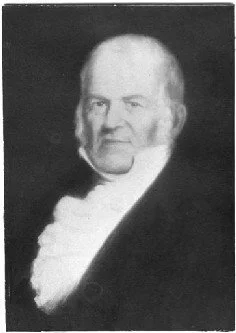
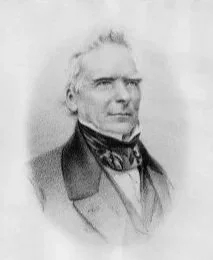
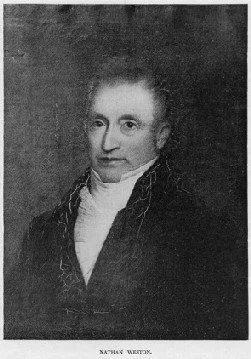
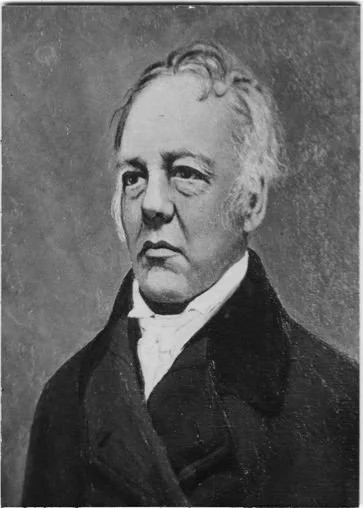
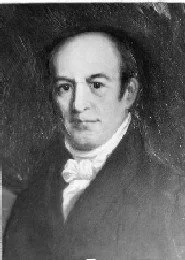
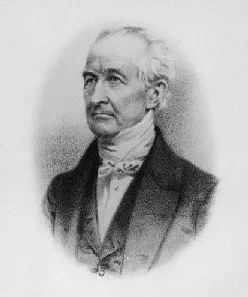
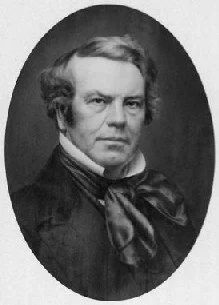
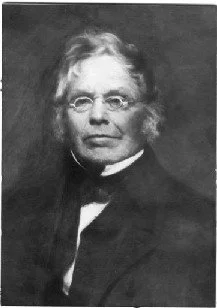
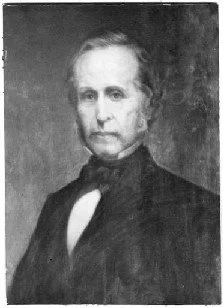
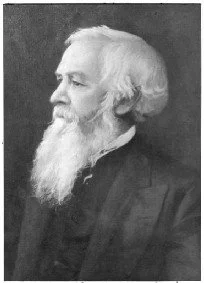
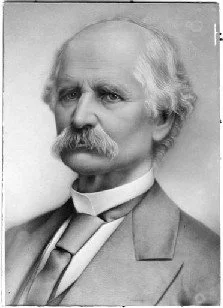
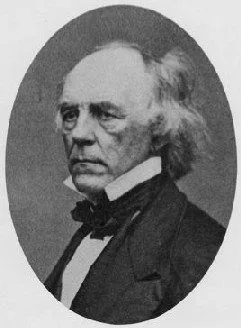
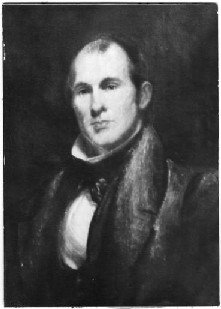
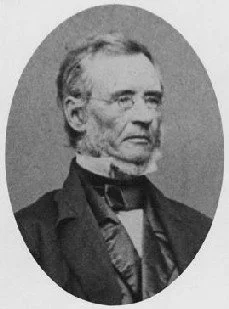
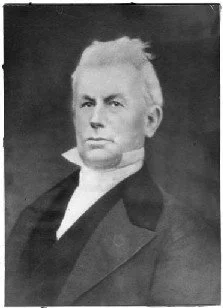
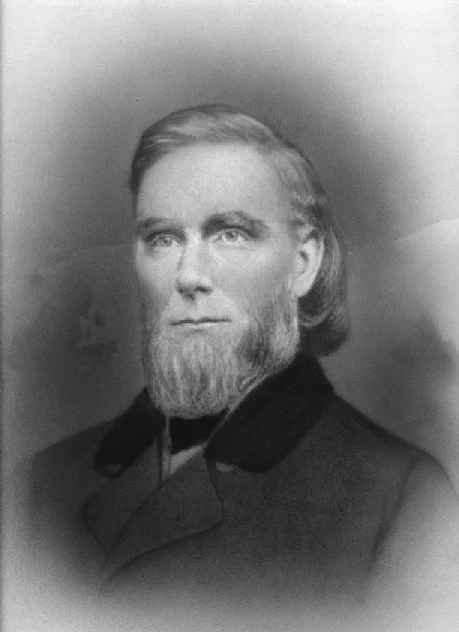
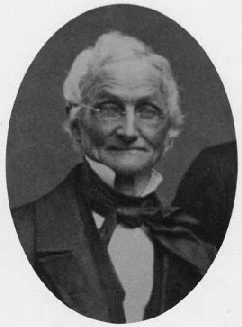
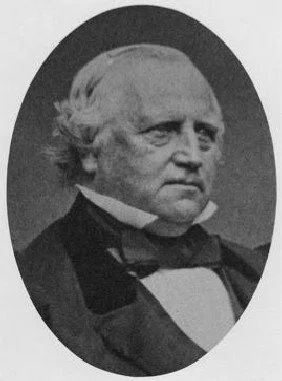
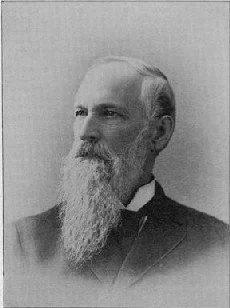
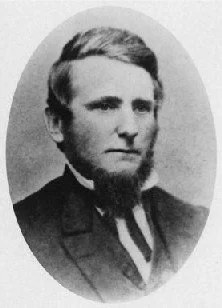
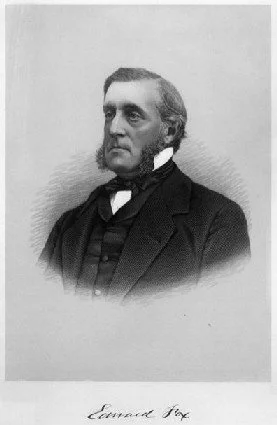
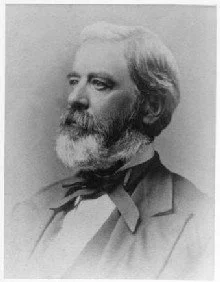

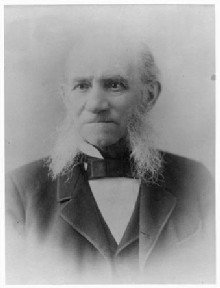
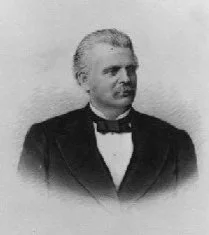
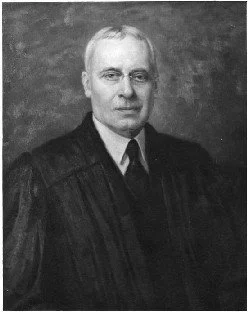
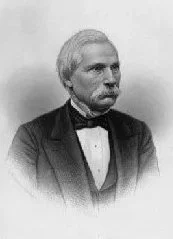
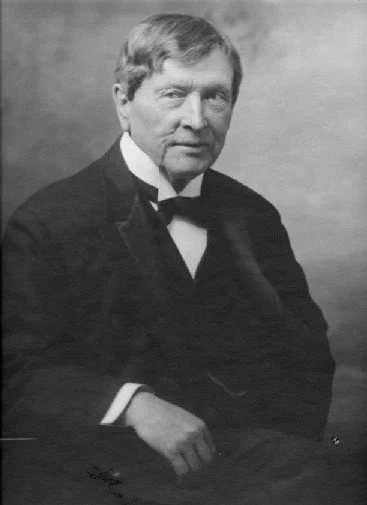
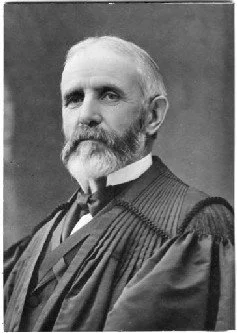
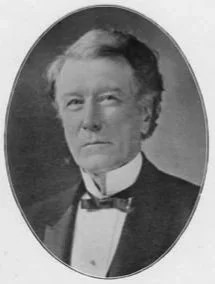
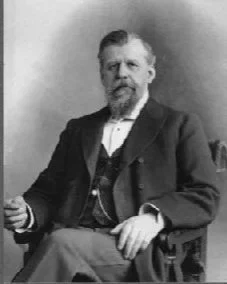
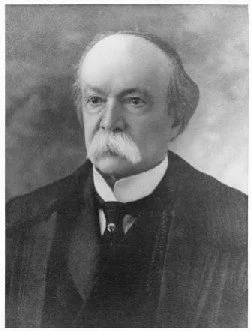
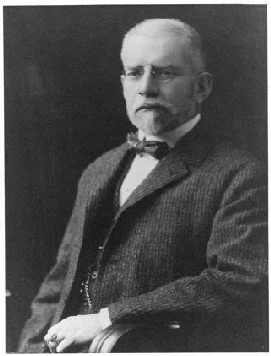
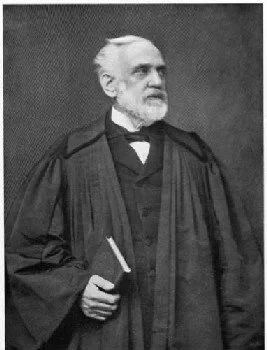
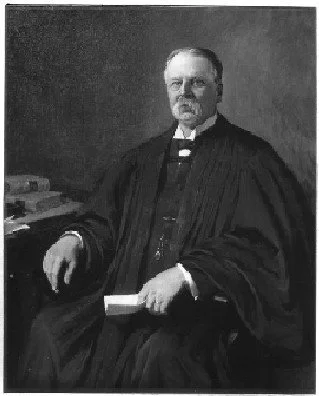
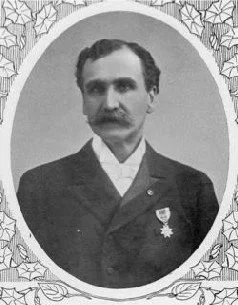
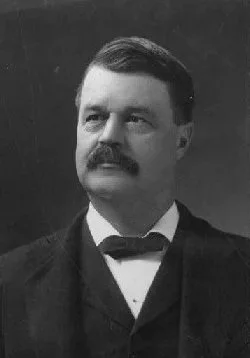
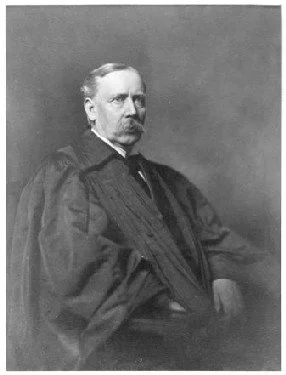
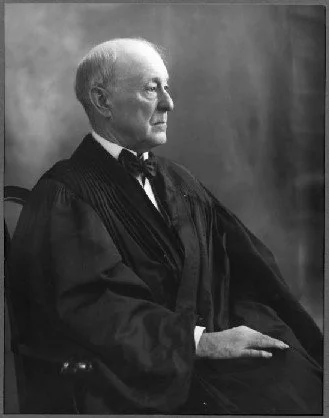
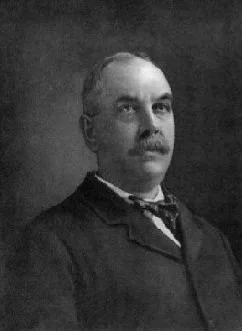
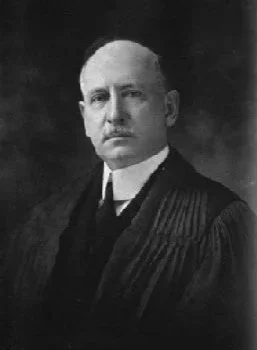
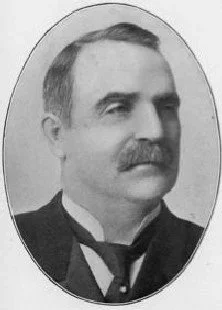
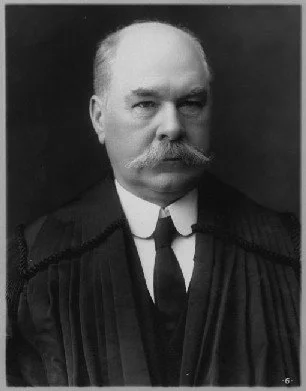
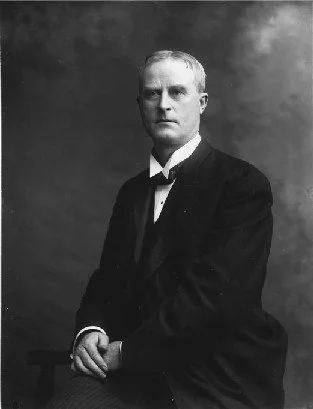
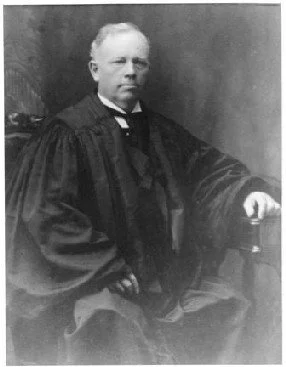
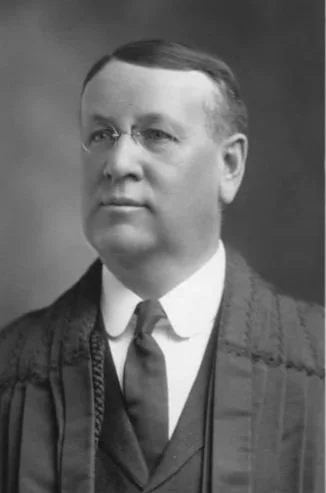
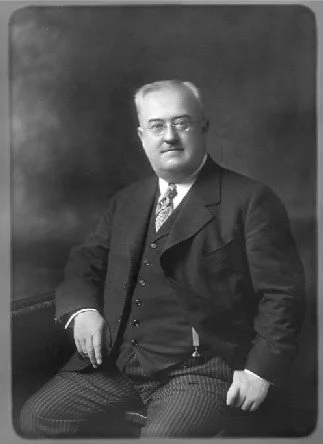
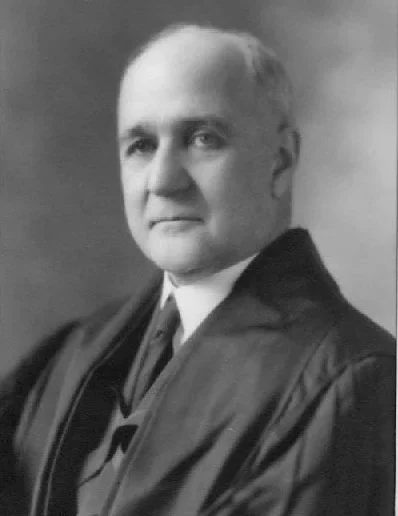
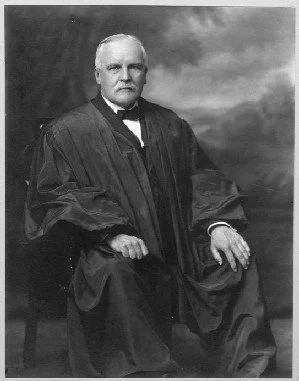
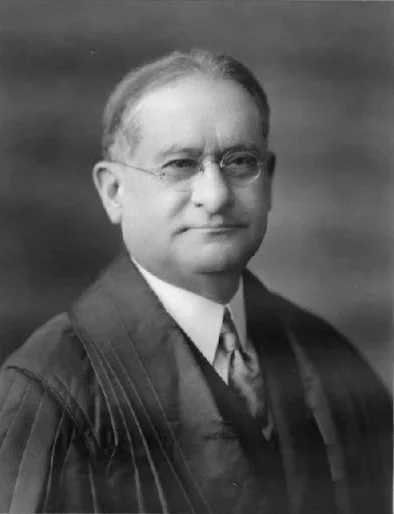
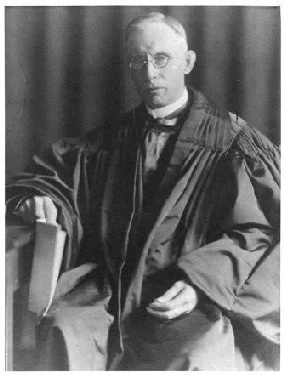
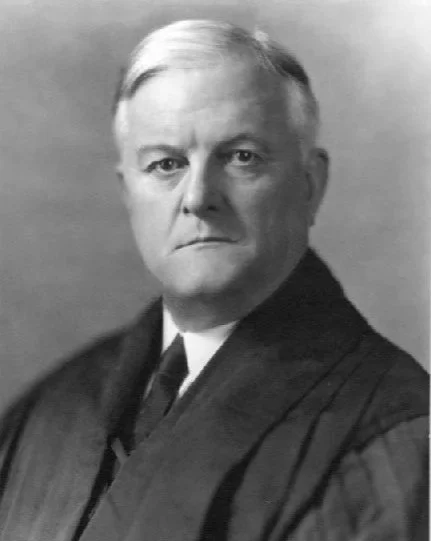
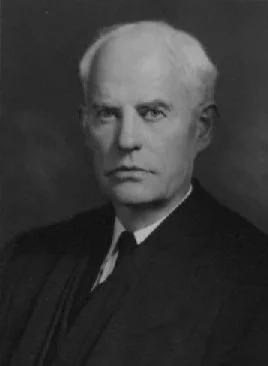
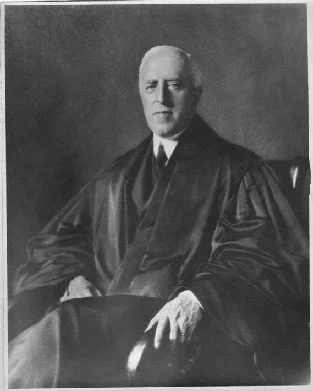
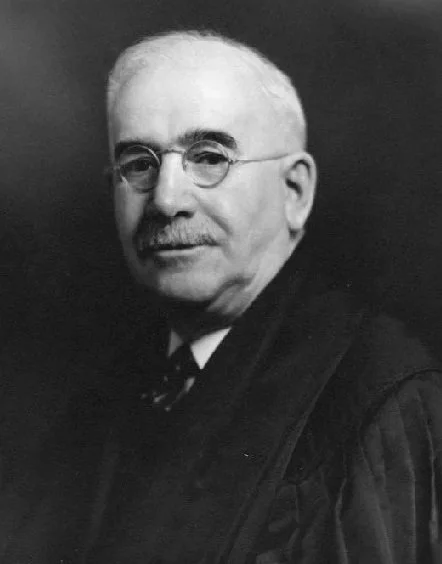
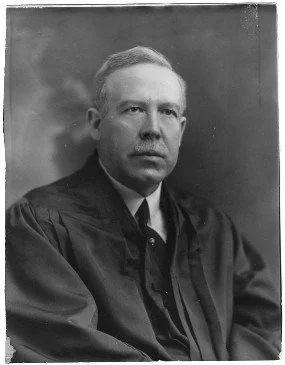
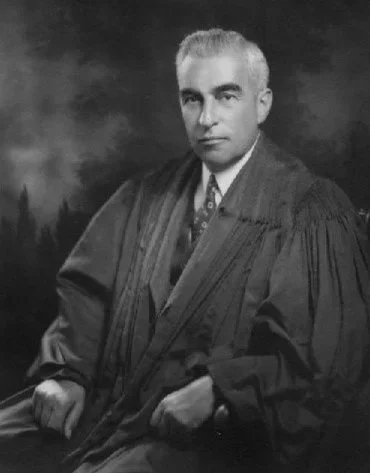
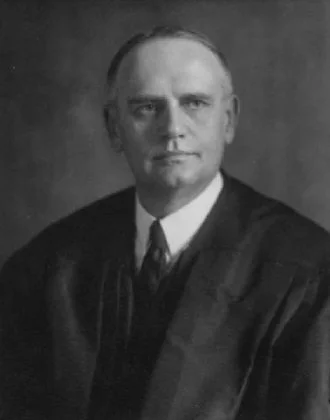
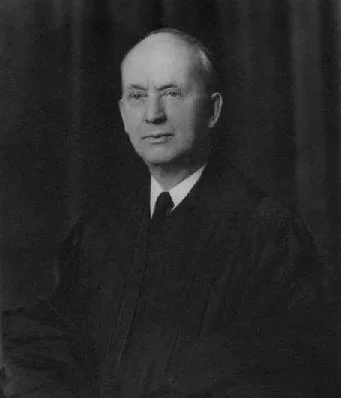
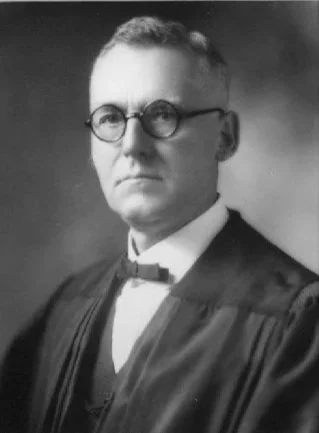
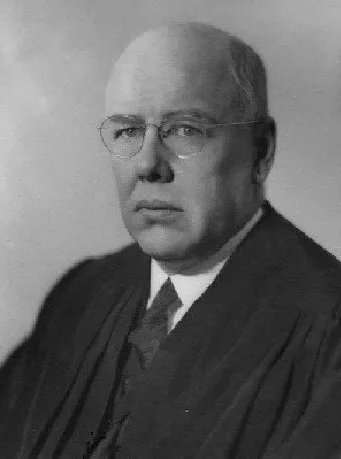
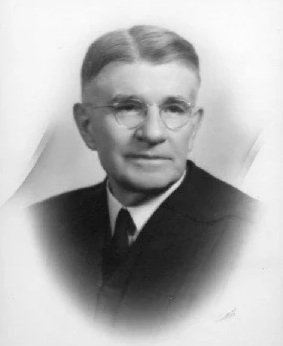
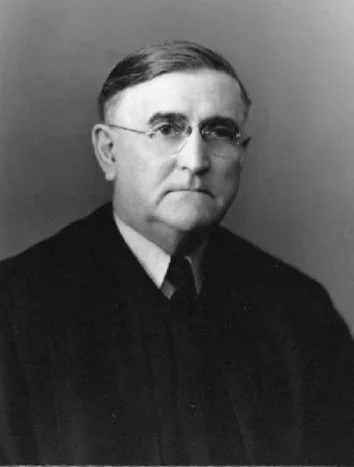
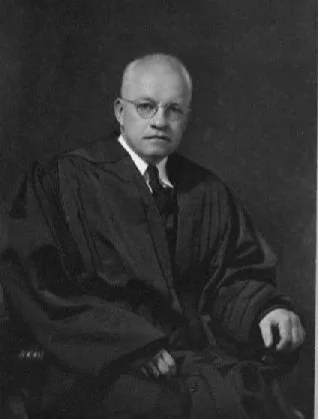
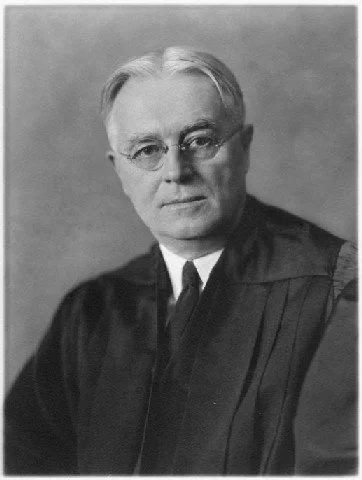
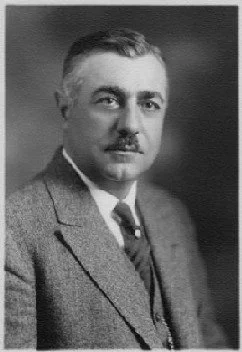
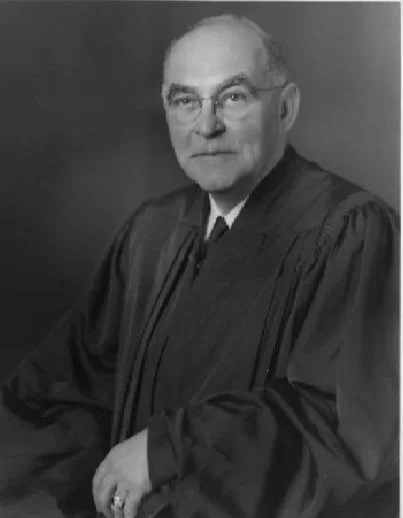
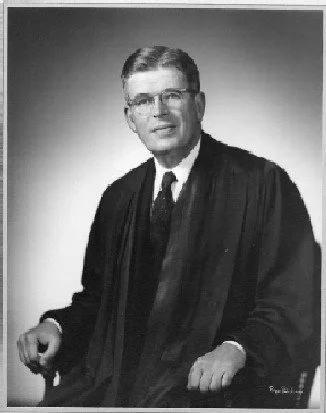
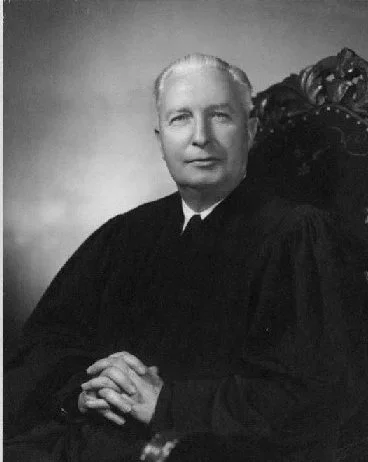
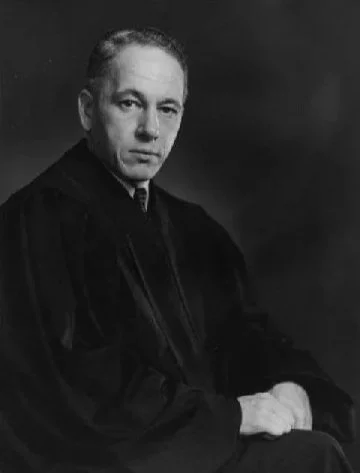
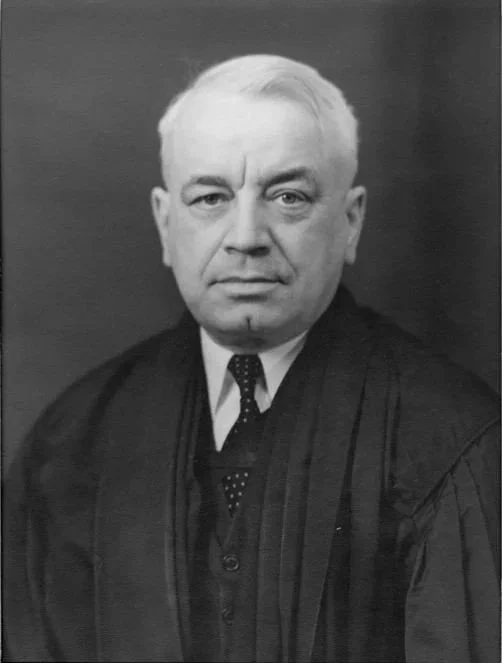
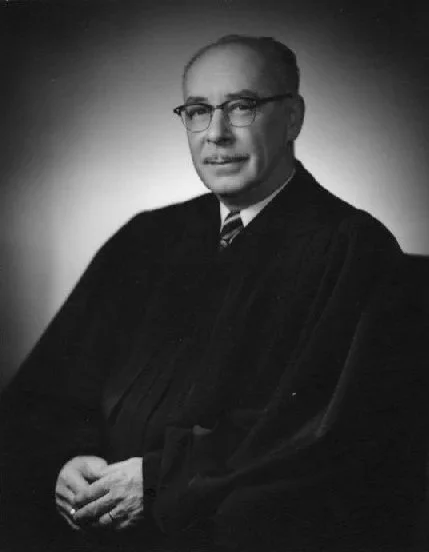
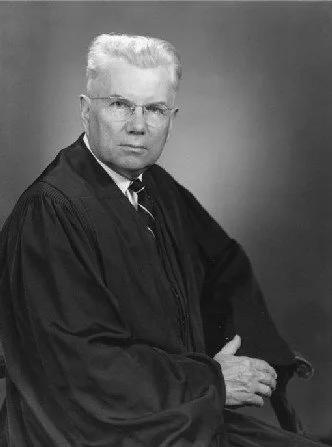
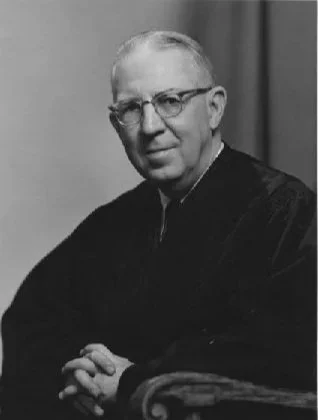
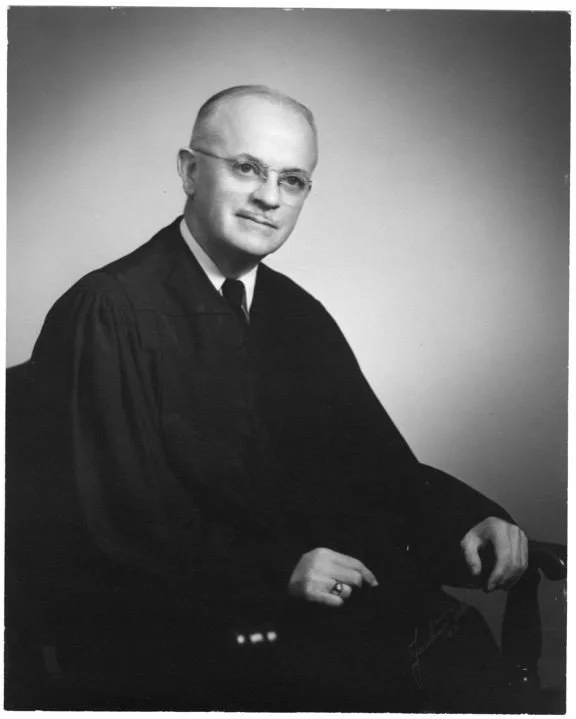
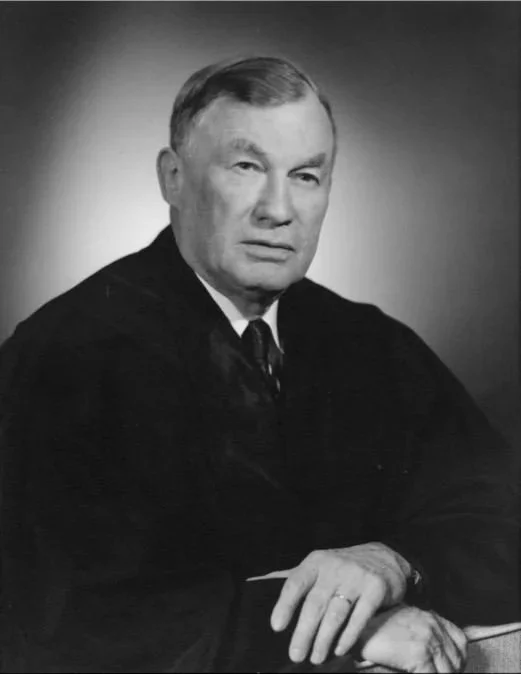
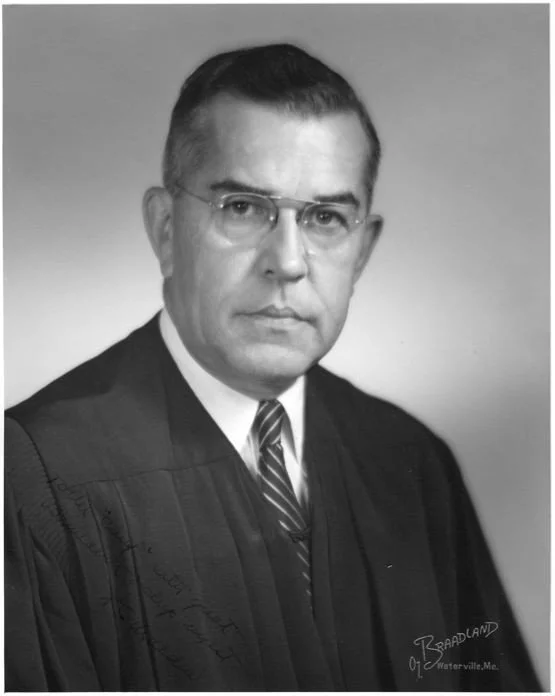
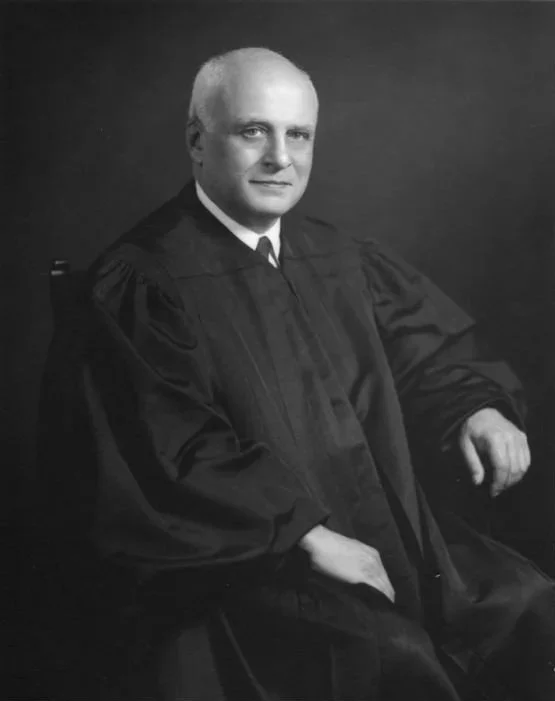
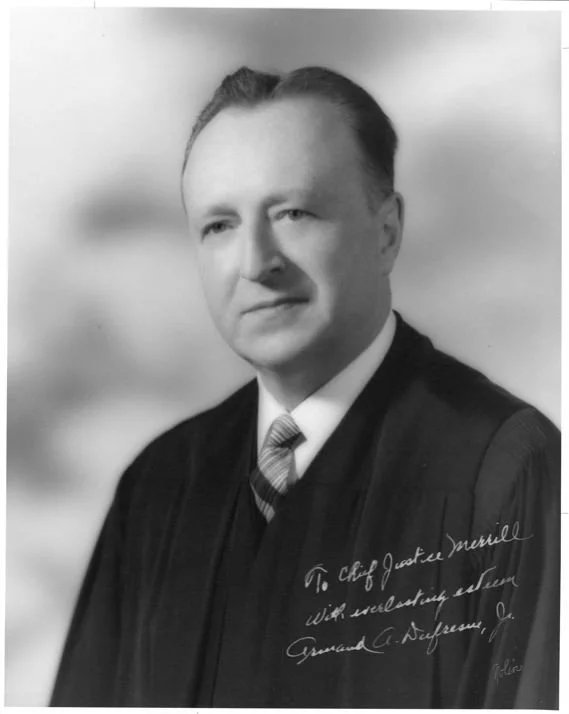
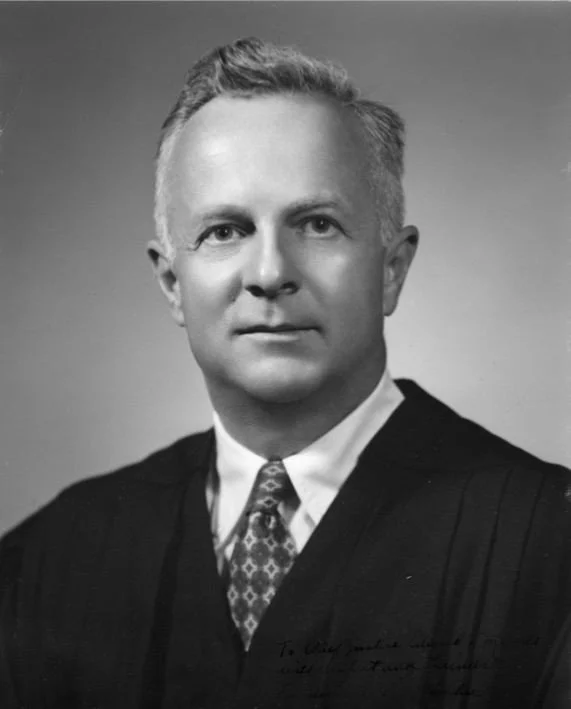
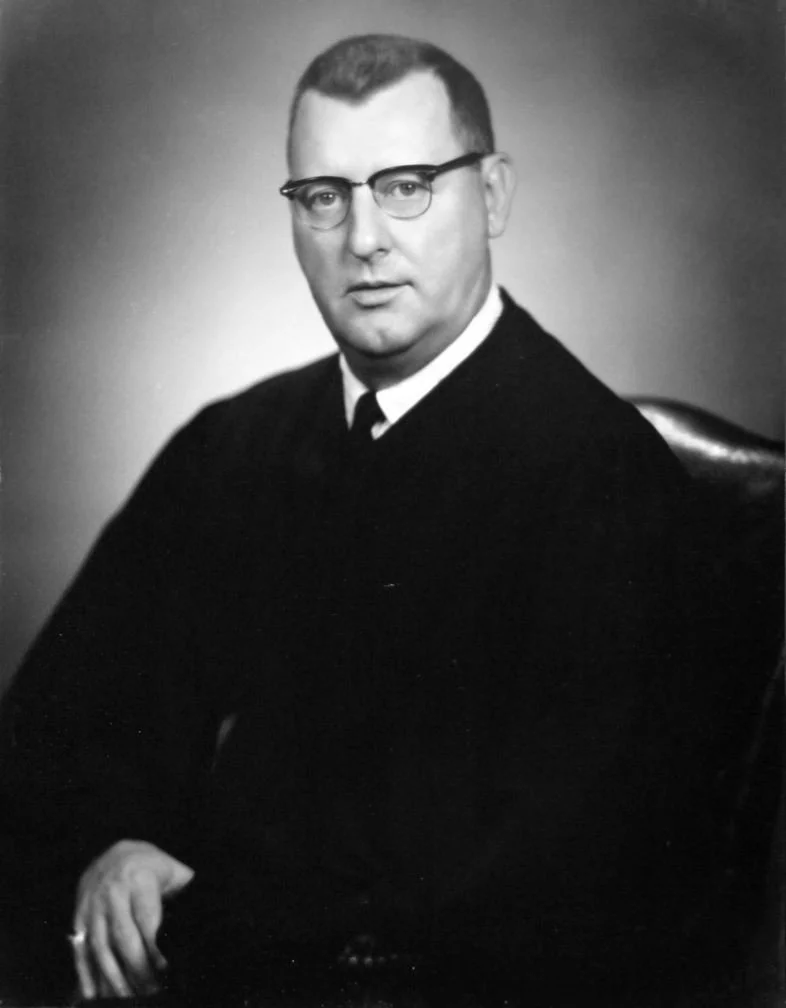
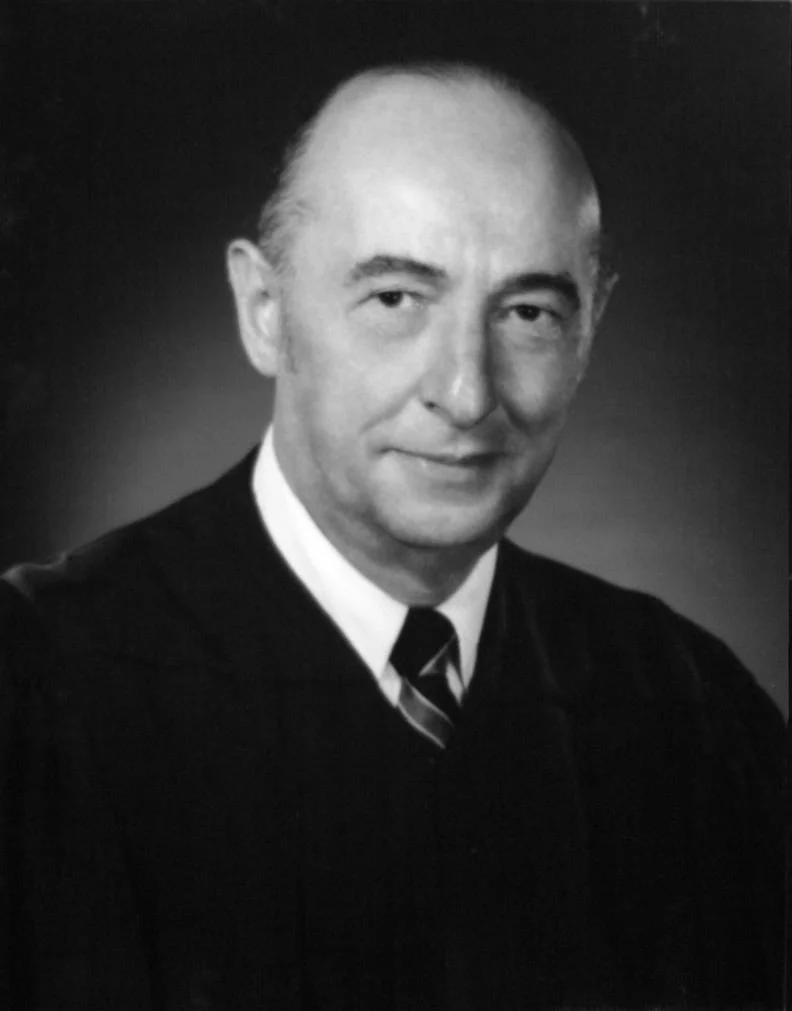
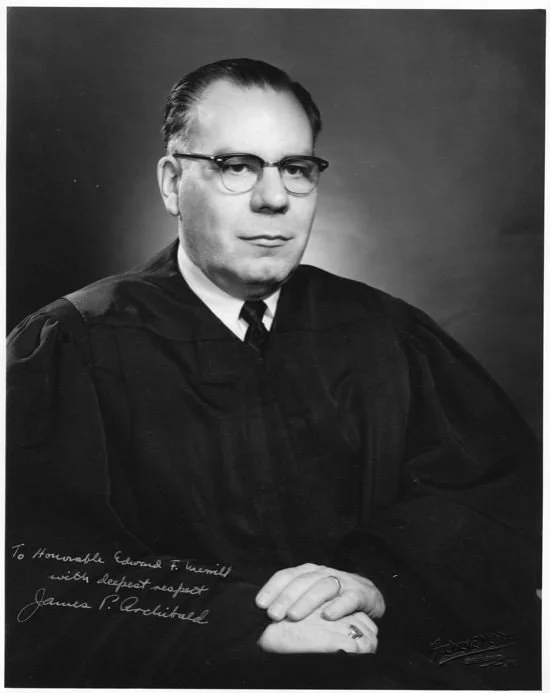
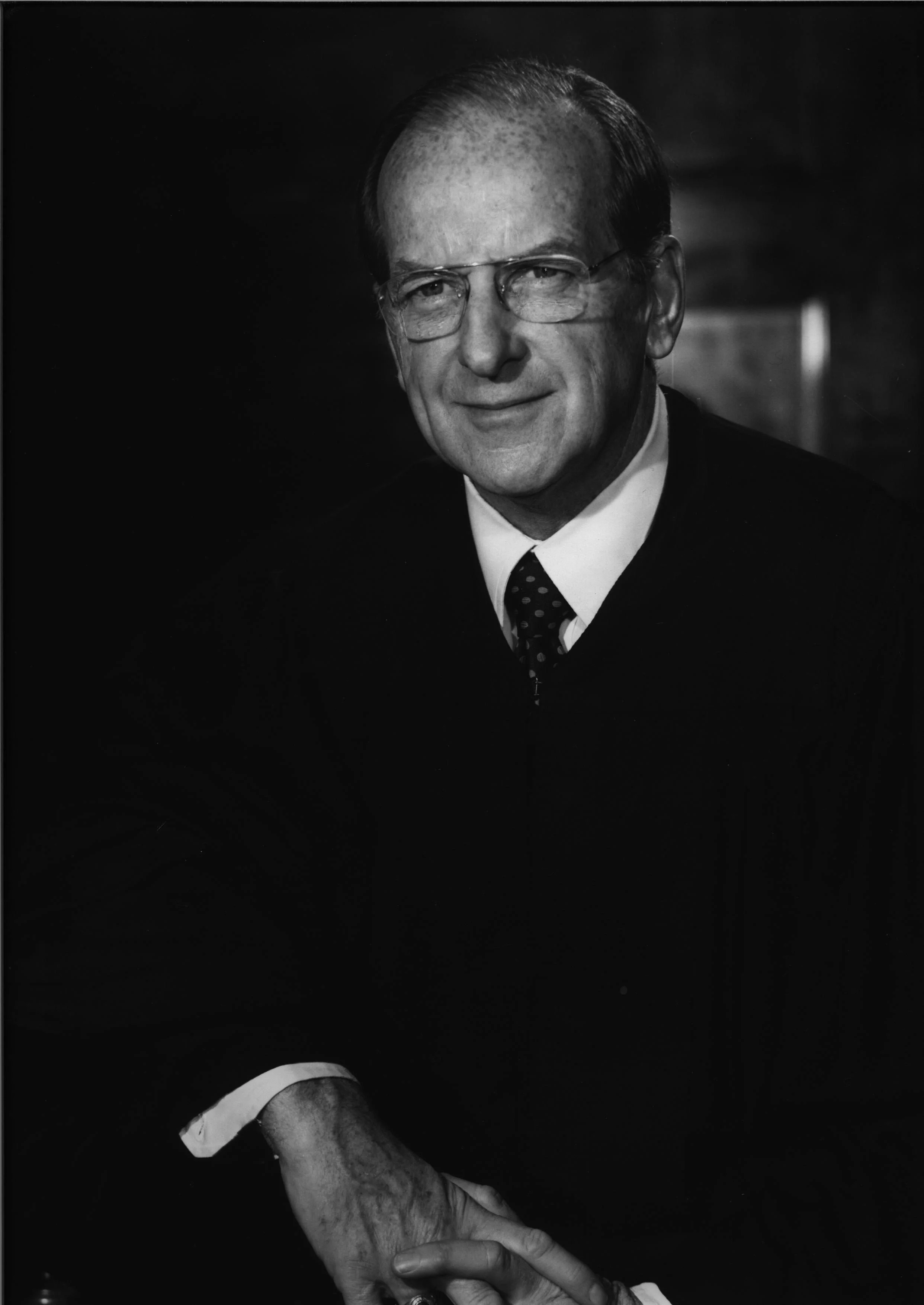
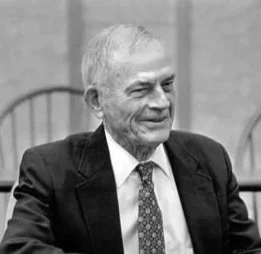
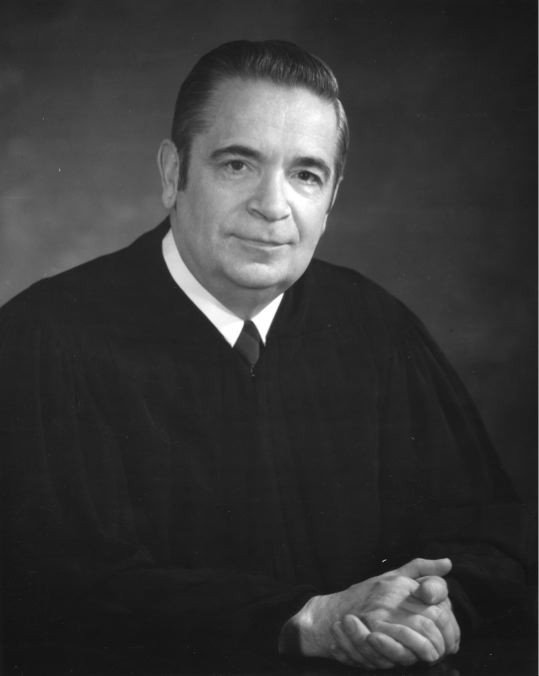
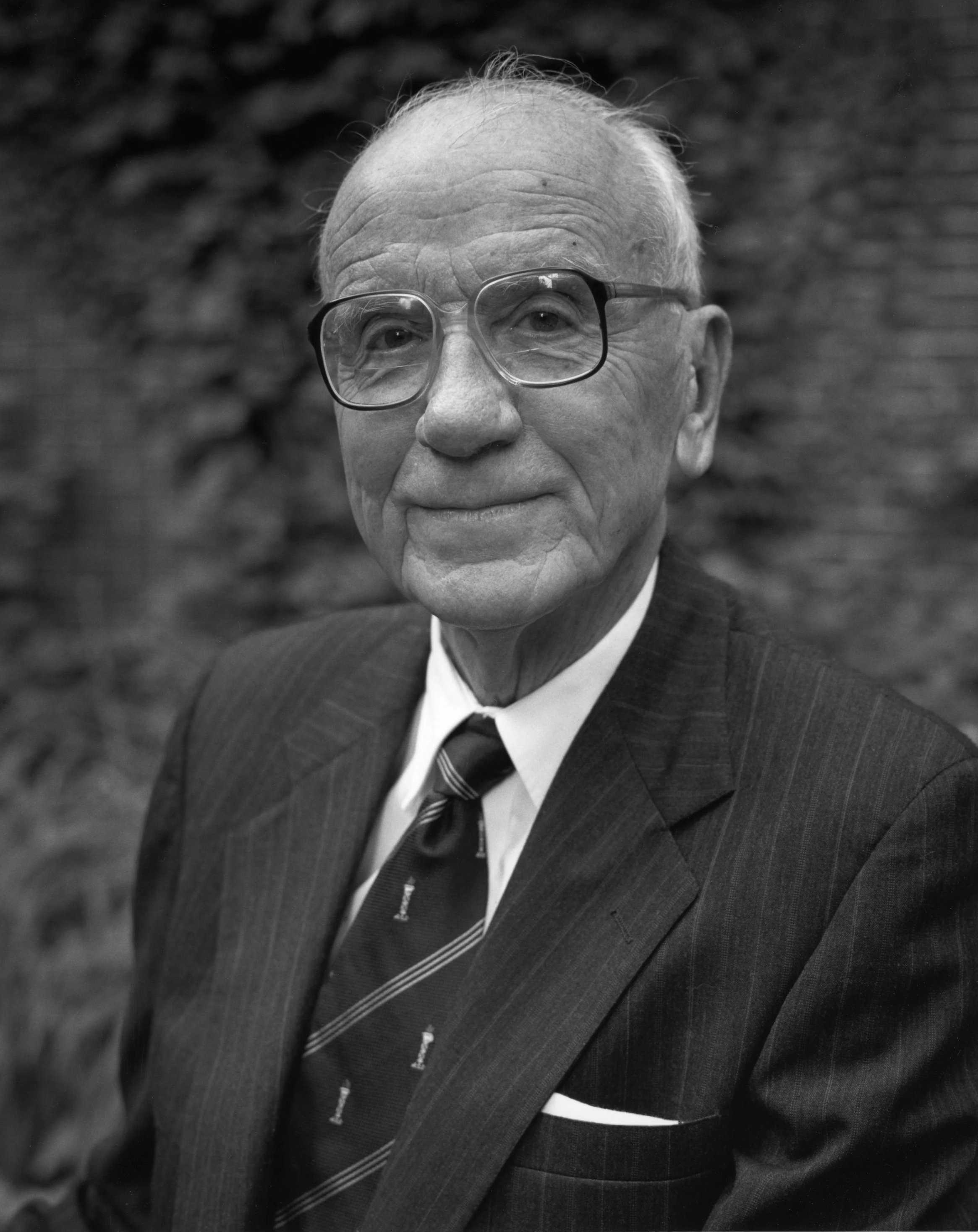
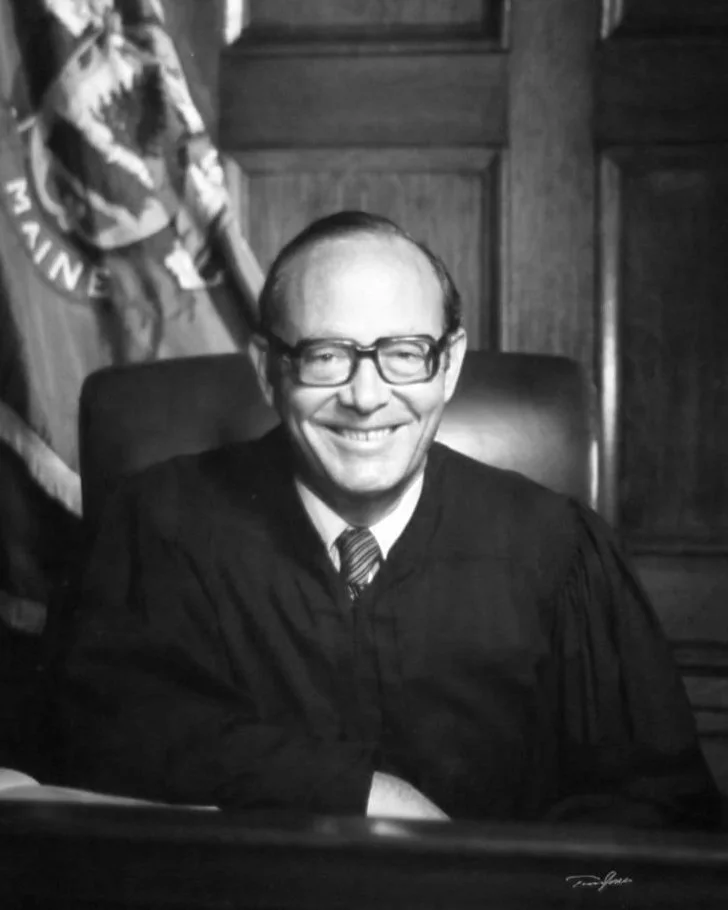
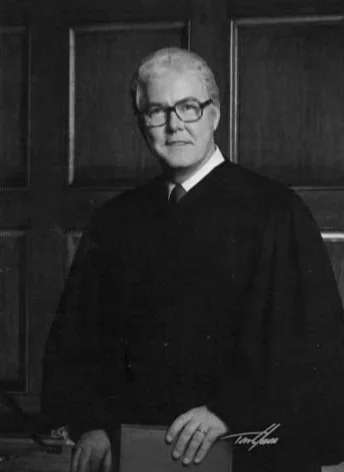
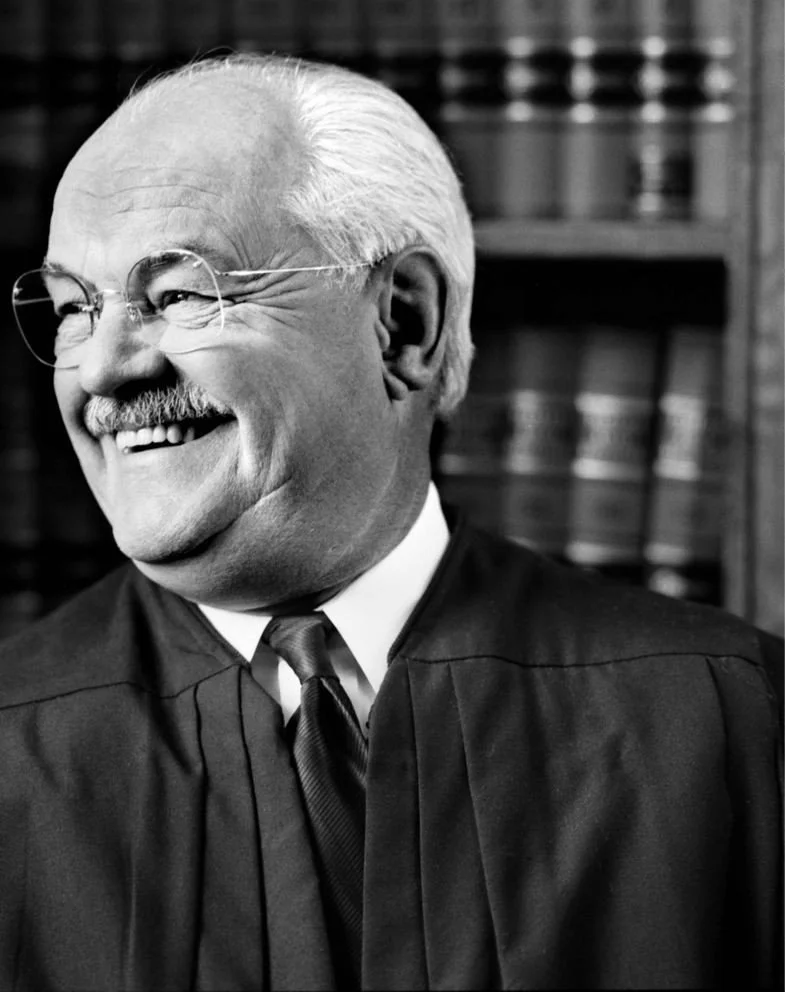
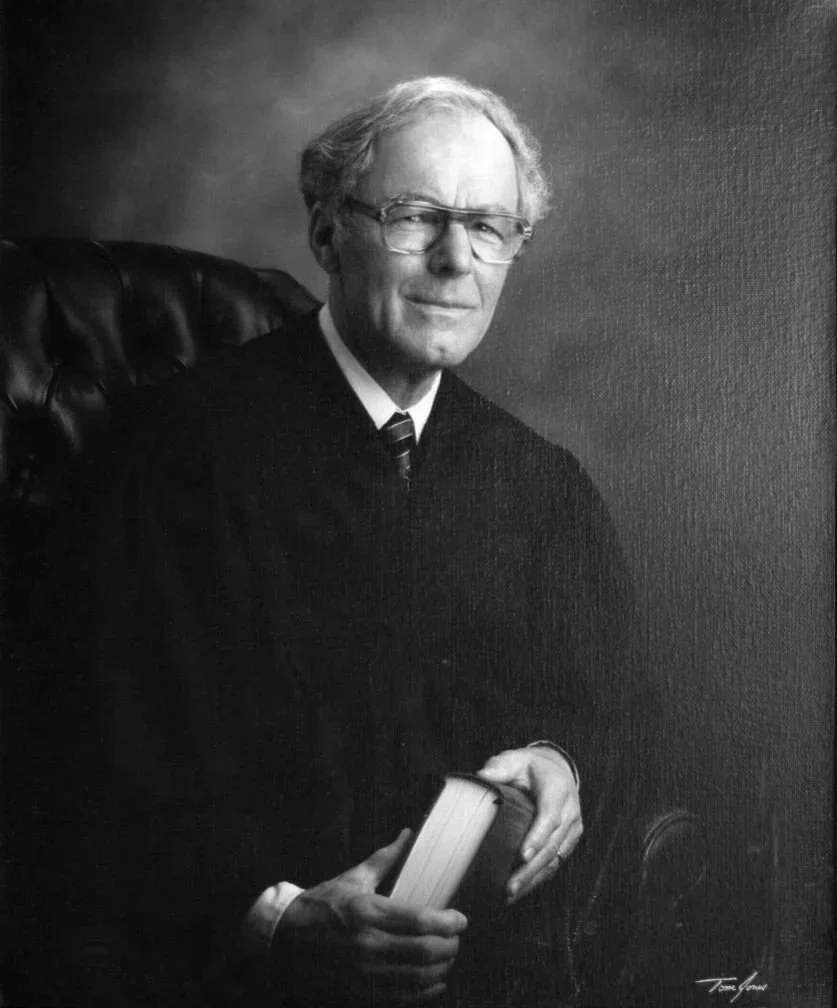
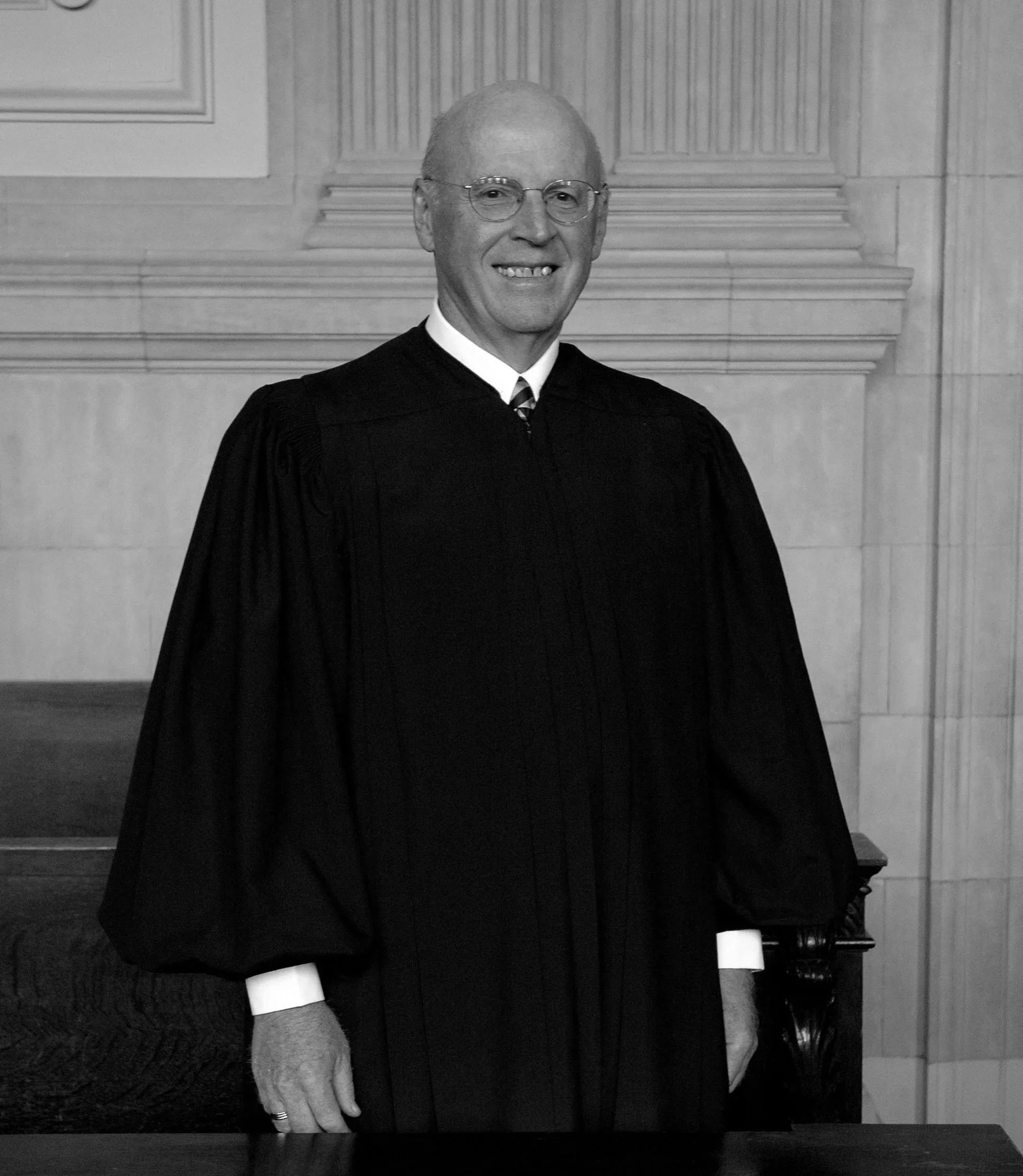
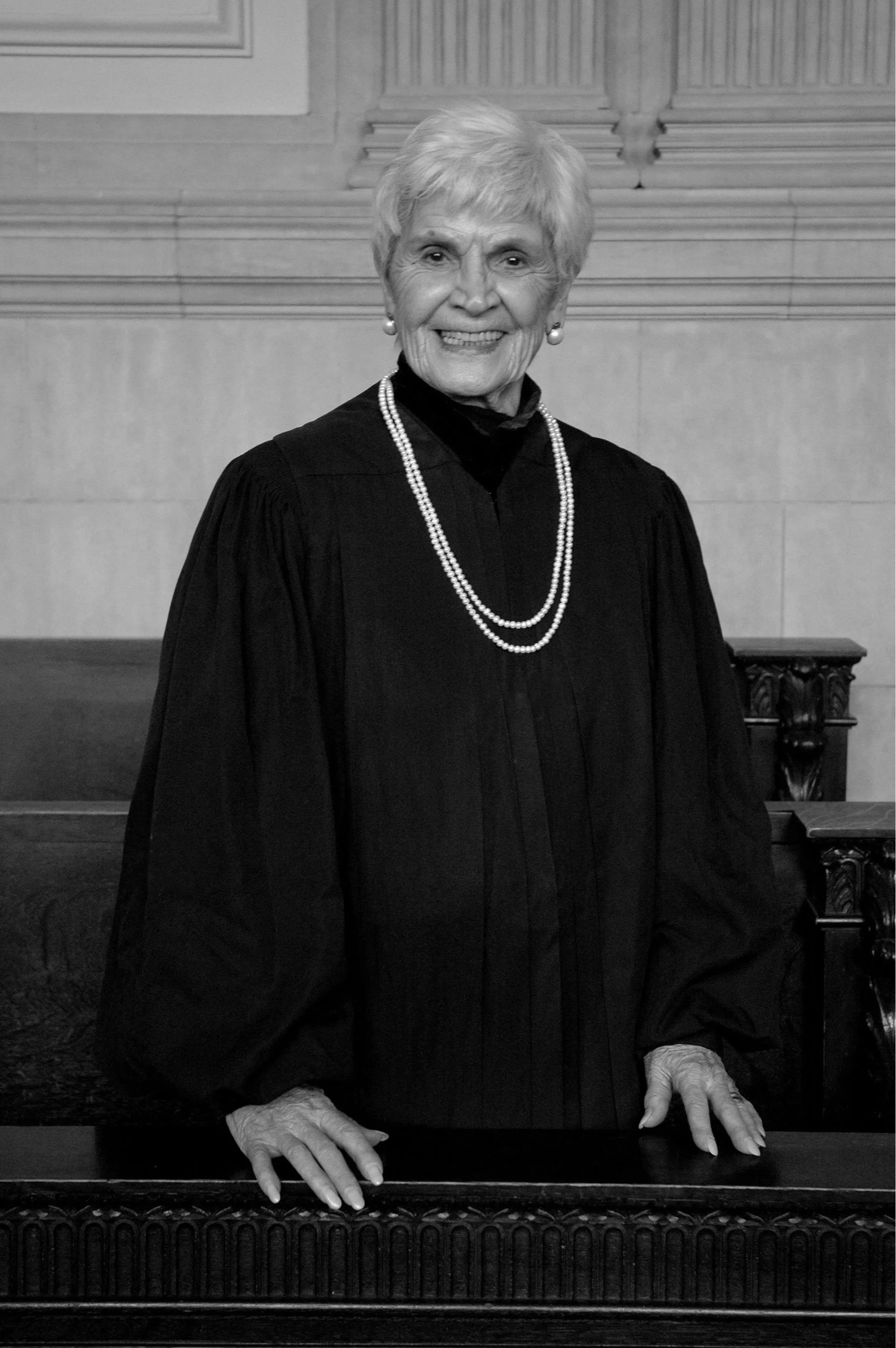
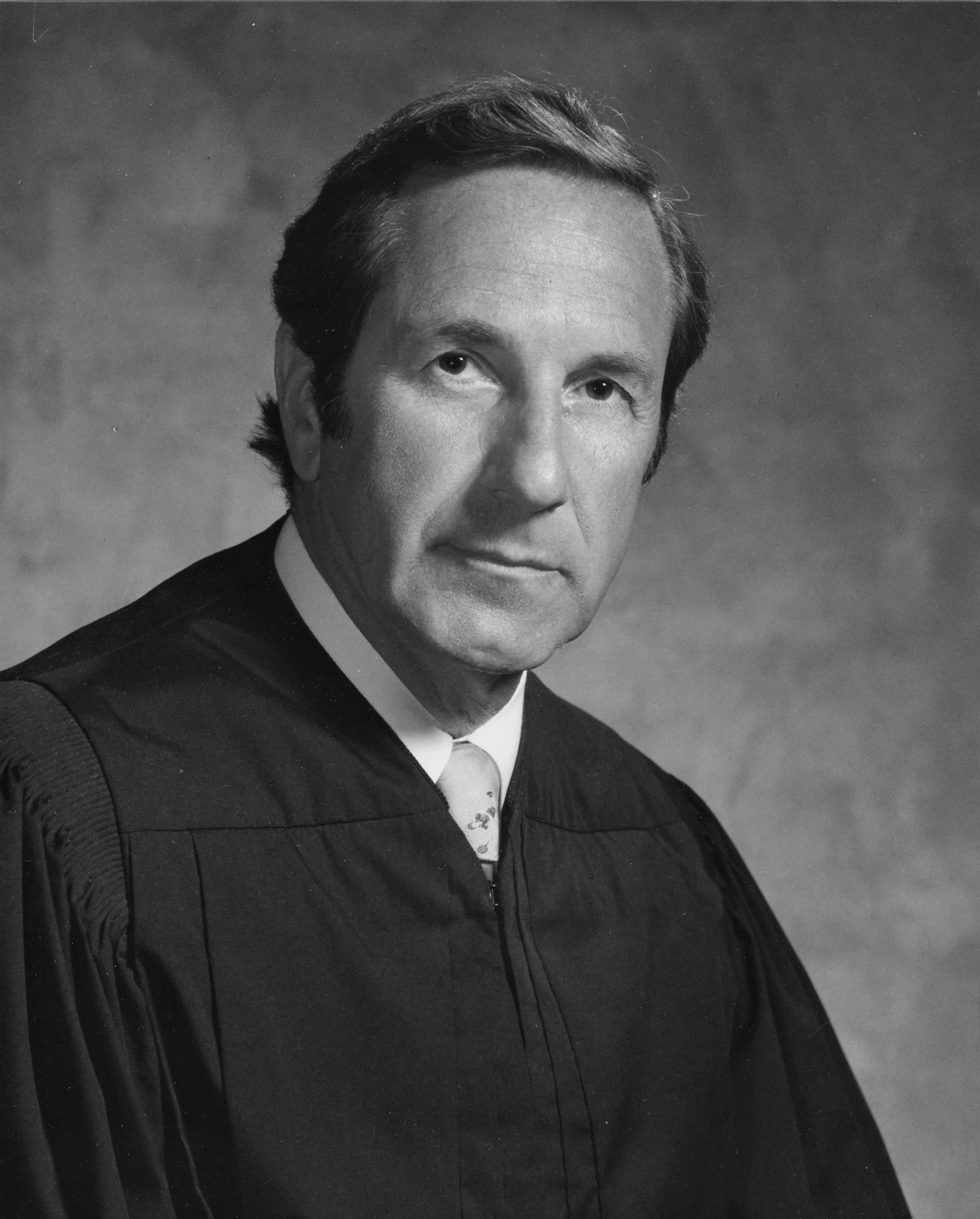
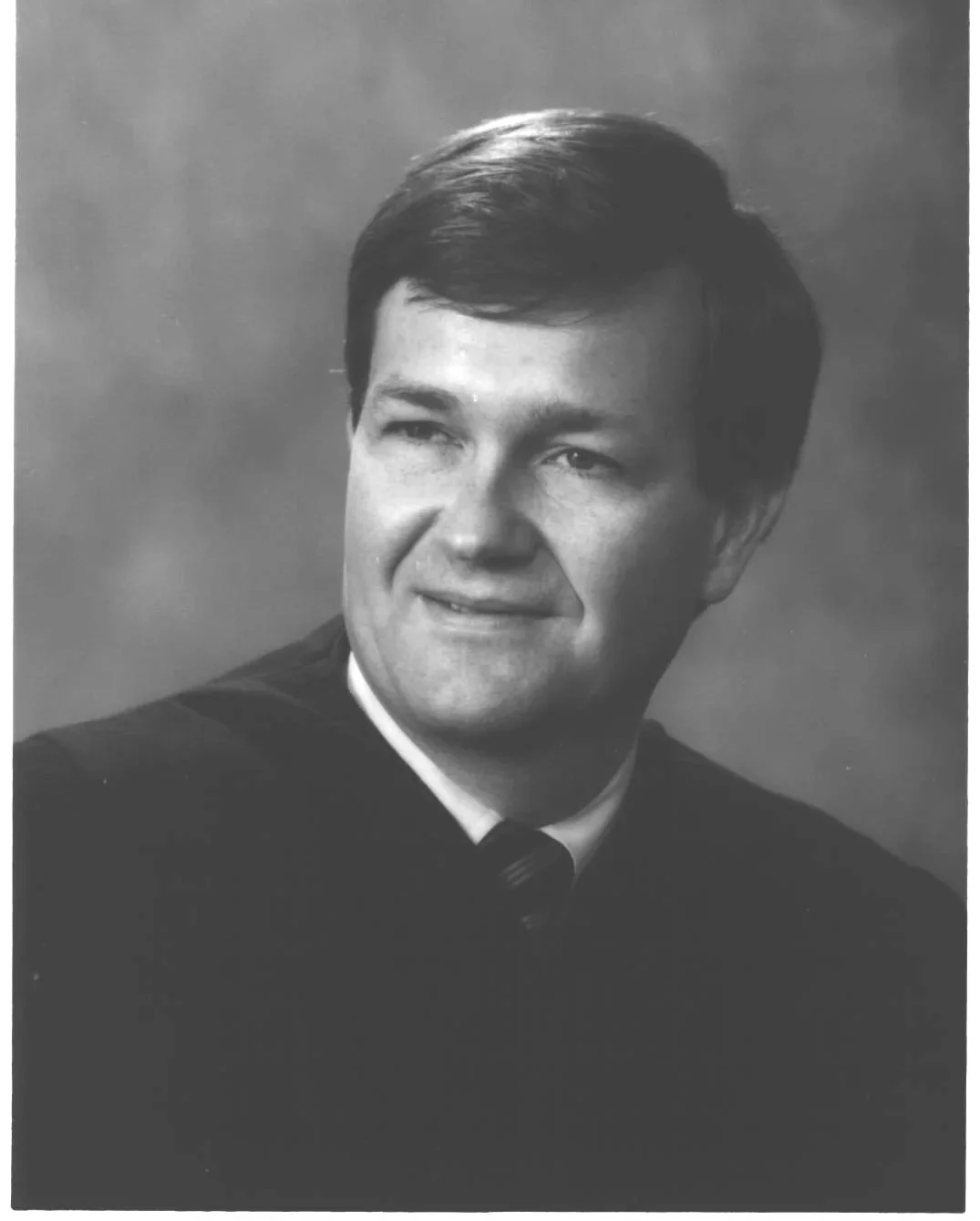
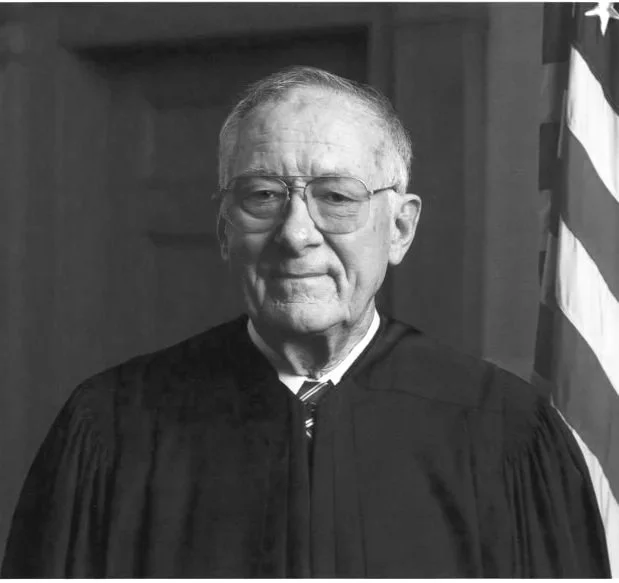
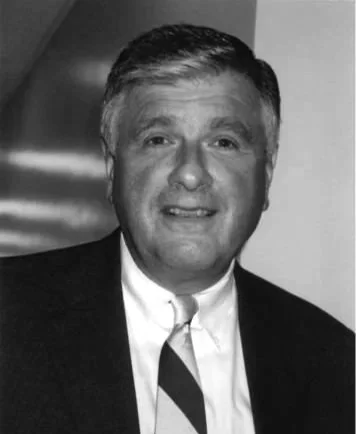
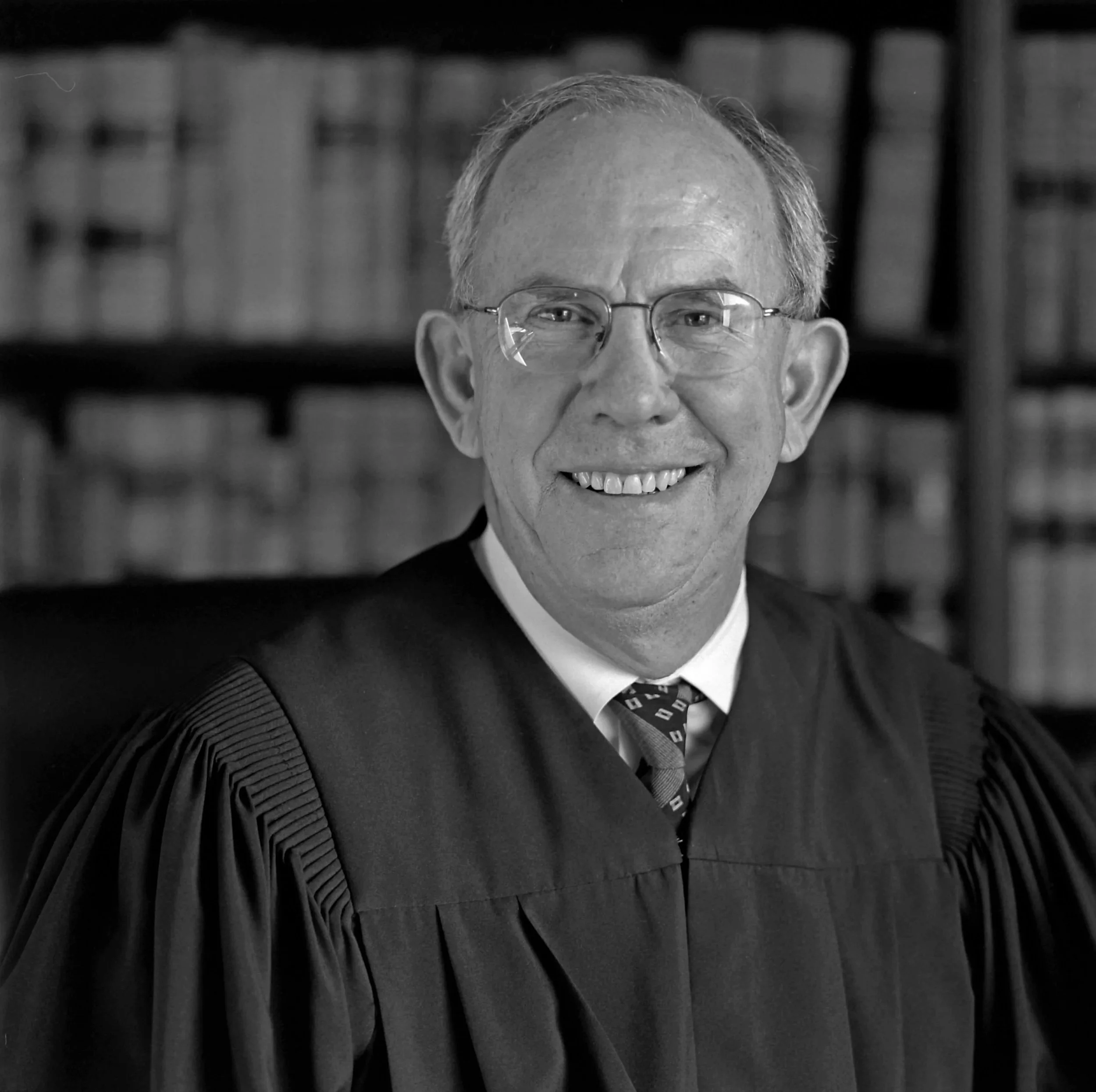
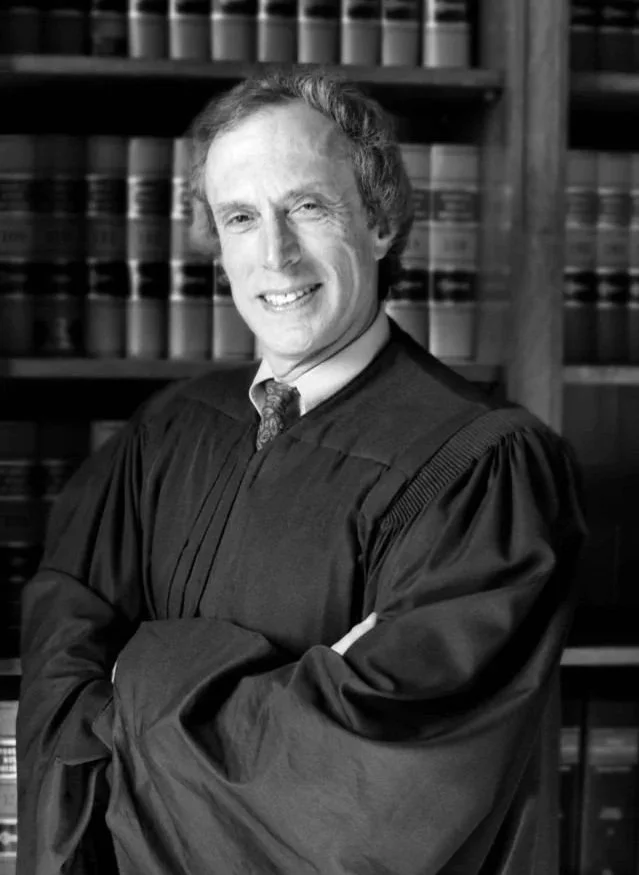
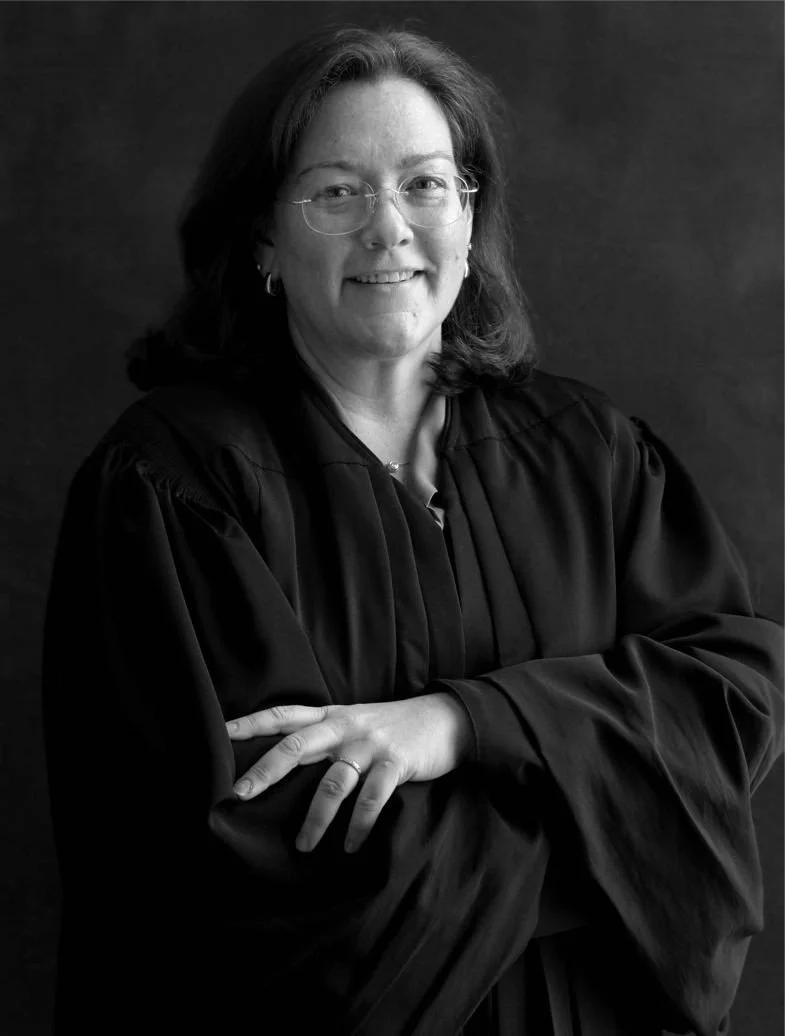

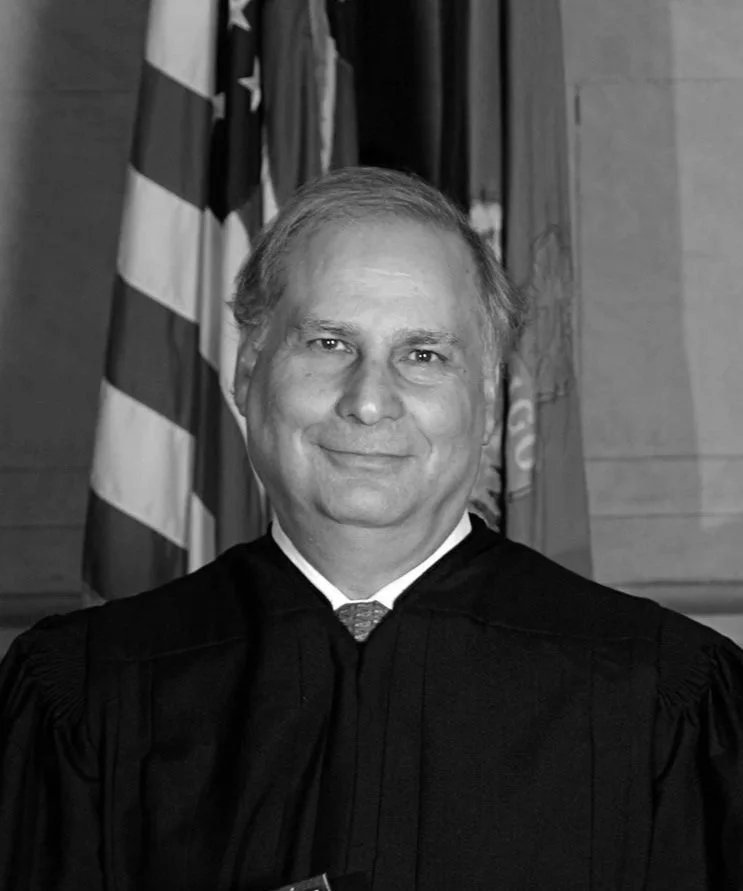
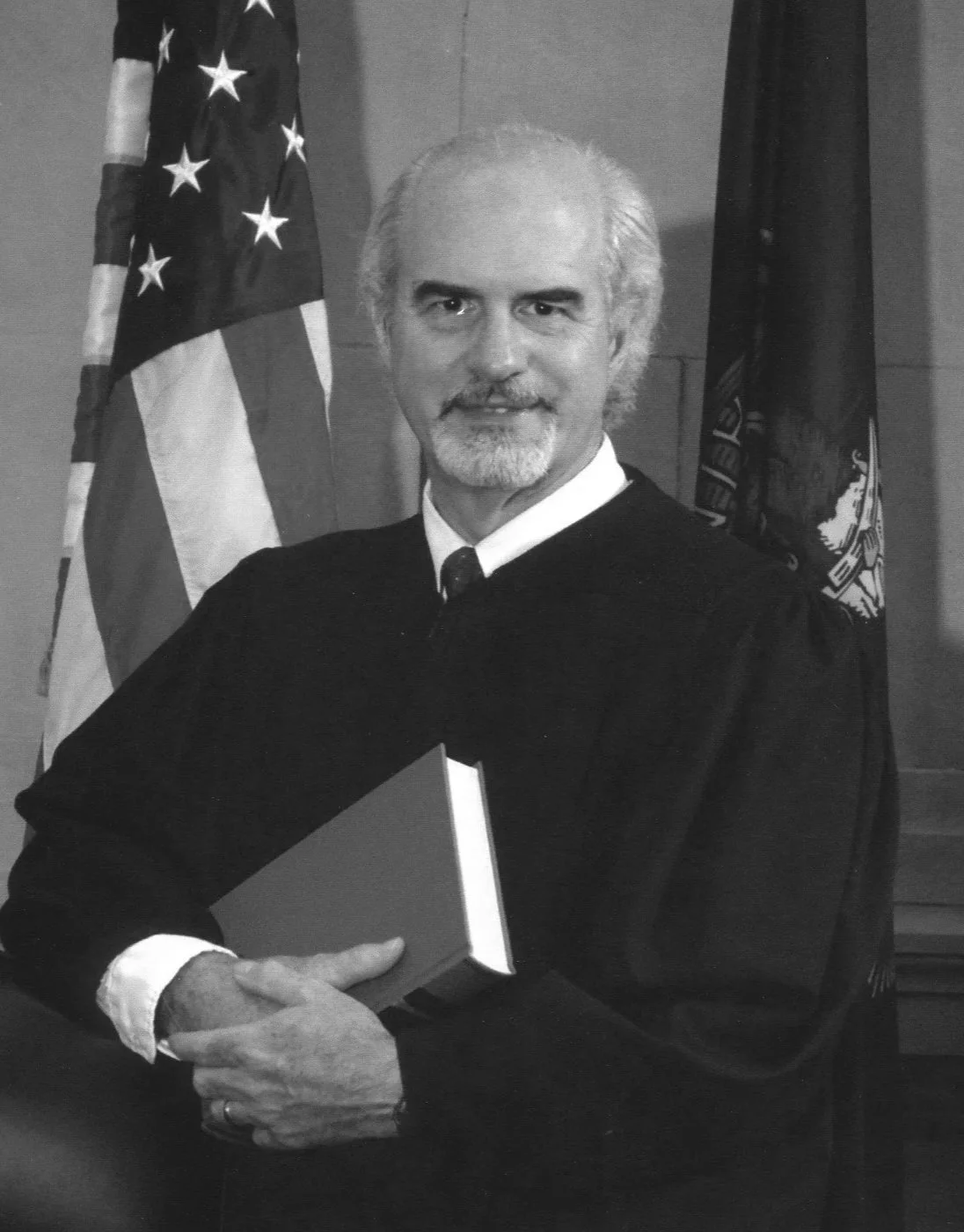
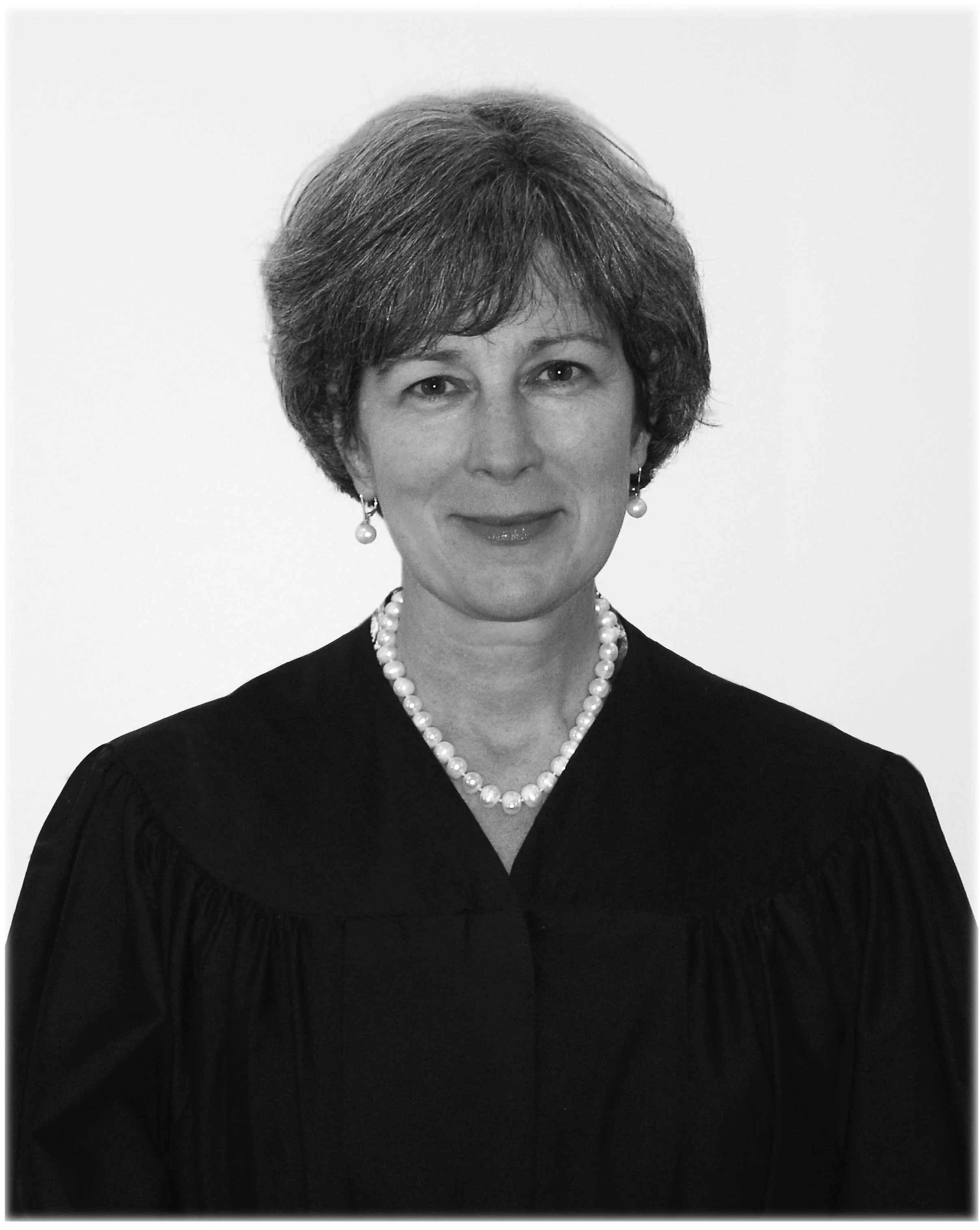
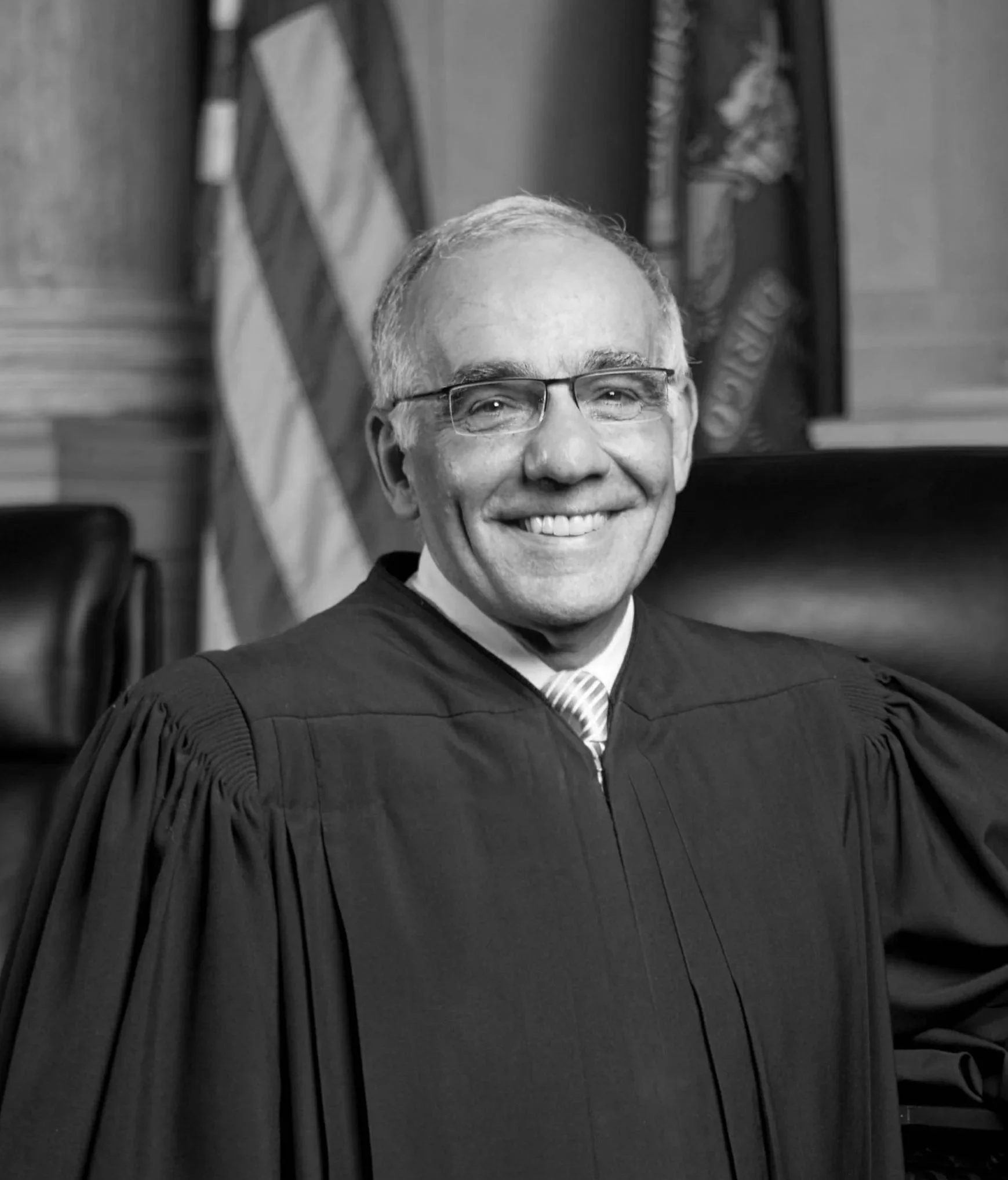
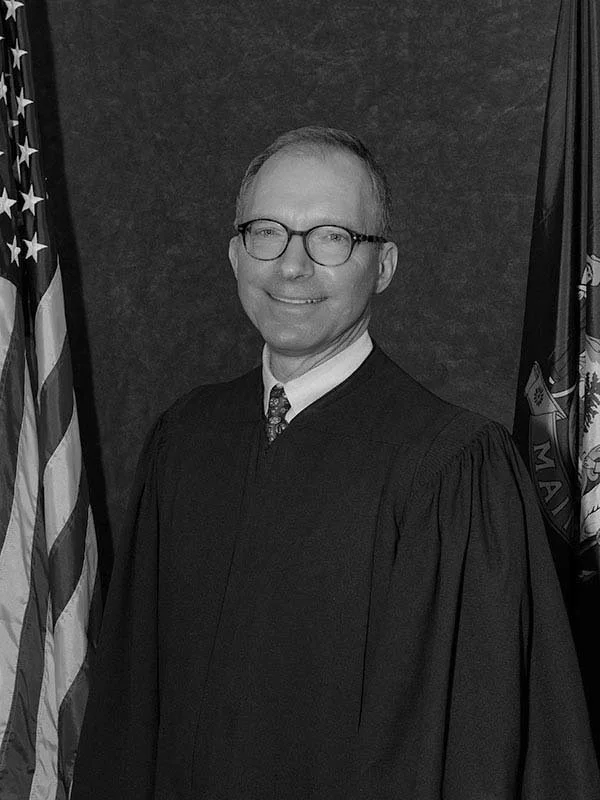
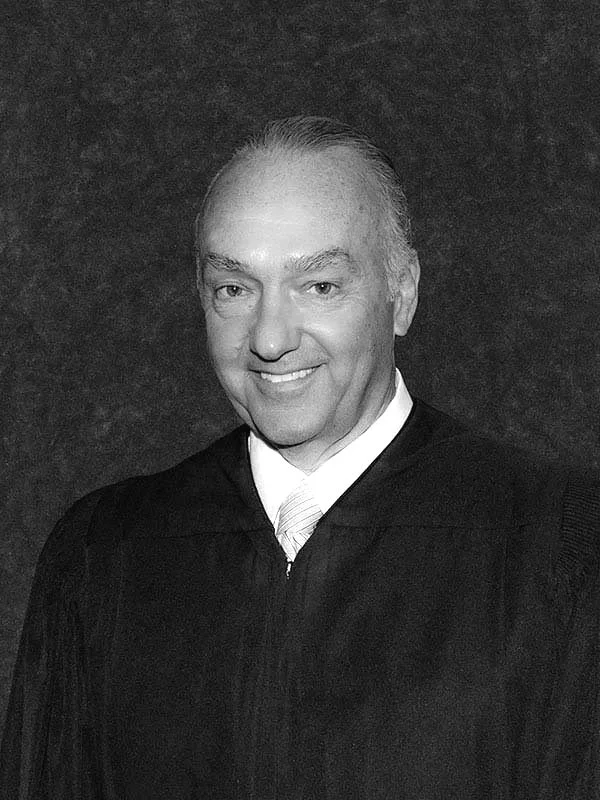



Maine Superior Court
About the Superior Court
The Maine Superior Court is a single statewide trial court and is identified by the county in which it sits. Aroostook County is the only county that has two Superior Court locations. The Superior Court is a court of general jurisdiction in which jury trials are held on a broad range of civil and criminal matters. In limited circumstances, the Superior Court may hear administrative appeals and appeals from the District Court.
Maine’s first county Superior Court was established in Cumberland County in 1868. Additional county Superior Courts followed in Kennebec, Aroostook, Androscoggin, and Penobscot Counties. On January 1, 1930, the Legislature created a single statewide Superior Court, replacing the county courts.
Pursuant to 4 M.R.S. §§ 121 and 157-C, the Chief Justice of the Maine Supreme Judicial Court may authorize judges and justices to sit in either the Superior Court or the District Court.
About This Chronology
This chronology identifies the justices appointed to the Maine Superior Court since its establishment in 1868. It includes appointment dates, appointing governors, and the date and reason a justice’s active Superior Court service concluded. Although the library endeavors to present accurate historical information, the chronology should not be treated as an official record. For a current roster of justices, consult the Maine Judicial Branch’s Superior Court Justices directory.
Maine District Court
About the District Court
The Maine District Court is a single statewide court that sits without a jury and is identified by the city or town in which the courthouse is located. The Legislature created the District Court in 1961 as part of a major reorganization of Maine's court system, and the new court began operating on January 1, 1962. It gradually replaced Maine’s municipal courts as the terms of municipal court judges expired.
Today, the District Court hears a broad range of civil, criminal, family, juvenile, and other matters such as landlord tenant disputes, foreclosure actions, civil violations, and traffic infractions. The District Court has a Family Division, which handles matters such as divorce, parental rights and responsibilities, child support, and protection from abuse matters. Family law magistrates are judicial officers who exercise certain judicial powers in domestic relations cases. Small Claims is a special session of the District Court that provides a simplified process for resolving civil claims within monetary limits defined by statute.
Pursuant to 4 M.R.S. §§ 121 and 157-C, the Chief Justice of the Maine Supreme Judicial Court may authorize judges and justices to sit in either the Superior Court or the District Court.
About This Chronology
This chronology identifies the judges appointed to the Maine District Court since its establishment. It includes appointment dates, appointing governors, and the date and reason a judge’s active District Court service concluded. Judges who later served on the Maine Superior Court or Maine Supreme Judicial Court are identified where that information is available. Although the library endeavors to present accurate historical information, the chronology should not be treated as an official record. For a current roster of judges, consult the Maine Judicial Branch’s District Court Judges directory.